The salt LIE: Why your low-sodium diet could be making you sick
12/10/2025 / By Willow Tohi
- Decades of public health advice promoting aggressive salt restriction is being challenged by emerging research.
- A landmark global study found a “J-shaped” relationship between sodium intake and health, indicating risks at both very high and very low levels.
- Symptoms like fatigue, hormonal imbalances and poor digestion may be linked to insufficient salt intake, according to both traditional and modern medicine.
- Individual factors like activity level, climate and health status determine optimal salt intake, which for many may be higher than official guidelines.
- Experts emphasize choosing unrefined salts and focusing on reducing processed foods rather than universally eliminating dietary salt.
For decades, reducing salt intake has been a universal prescription for better health, driven by the well-established link between sodium and high blood pressure. But a growing body of scientific evidence and clinical observation is now challenging this one-size-fits-all approach, suggesting that for the general public, overly restrictive diets may be ineffective and even harmful. This paradigm shift, emerging from global cohort studies and patient-reported outcomes, indicates that the relationship between salt and health is far more nuanced than previously believed, placing moderation and salt quality at the forefront of a new dietary understanding.
The flawed foundation of universal salt restriction
The public health campaign against salt gained momentum in the latter half of the 20th century, rooted in the understanding that sodium helps regulate blood volume and pressure. Guidelines from major organizations, like the World Health Organization’s recommendation of less than 2,000 mg of sodium daily, became medical gospel. However, maintaining these strict diets proved difficult for most people, and clinical results were often disappointing. Patients frequently reported feeling unwell—experiencing reduced energy, hormonal disruptions and immune imbalances—while laboratory tests sometimes showed worsened markers. This disconnect between theory and practice prompted scientists to re-examine the data on a population scale.
Finding the sodium sweet spot
The most compelling challenge to old guidelines came from large, long-term observational studies. A pivotal investigation published in The New England Journal of Medicine, following over 100,000 people across 17 countries, revealed a “J-shaped” association between sodium excretion and cardiovascular risk. This curve showed that while very high sodium intake increased risk, so did very low intake. The lowest risk was associated with a moderate intake of 3,000 to 6,000 mg of sodium daily—a range that notably exceeds most official guidelines but aligns with what many people naturally consume. This research, alongside findings from other major studies like the National Health and Nutrition Examination Survey (NHANES), which linked low sodium intake to a higher risk of fatal cardiovascular events, forced a critical reevaluation of blanket restrictions.
The physiological cost of sodium deficiency
Beyond population statistics, the physiological mechanisms explain why too little salt can be detrimental. Sodium is a crucial electrolyte essential for nerve transmission, muscle function and maintaining fluid balance. Severe restriction can lead to hyponatremia, a condition of low blood sodium that can cause symptoms ranging from dizziness and fatigue to seizures and coma. Furthermore, research indicates that insufficient sodium may contribute to increased insulin resistance, elevated LDL cholesterol and hormonal imbalances. From the perspective of systems like Traditional Chinese Medicine, which views salt as vital for providing “warming” energy (yang qi) to support kidney, heart and digestive function, these modern findings echo ancient principles about the dangers of deficiency.
Refined vs. unrefined: The critical distinction
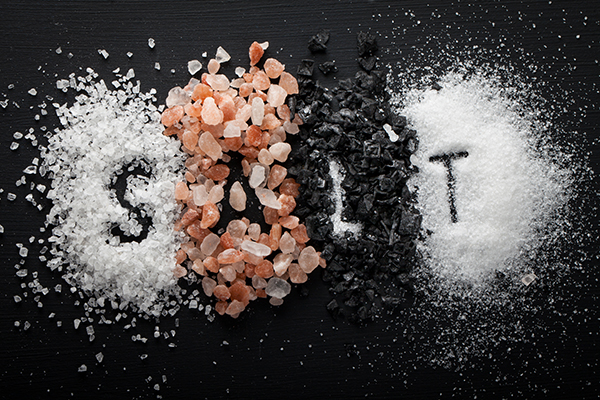
A key element in the modern salt conversation is the quality of the salt consumed. Health advocates and a growing number of practitioners stress a fundamental difference between refined and unrefined salts. Refined table salt is stripped of its natural trace minerals and often contains anti-caking agents, making it a “toxic, dangerous substance that fails to provide the body with any significant benefits,” as noted in some clinical reviews. In contrast, unrefined salts like sea salt or Himalayan pink salt contain a spectrum of minerals that support bodily functions. This distinction suggests that the public health focus should shift from merely limiting sodium to promoting the consumption of mineral-rich, unprocessed salts while avoiding the refined sodium ubiquitous in ultra-processed foods.
A personalized path forward
The emerging consensus points toward personalized, rather than universal, sodium guidance. Individual needs vary significantly based on:
- Activity level (athletes and laborers lose more sodium through sweat)
- Climate
- Underlying health conditions
- Genetic predisposition to salt sensitivity
For most healthy individuals, meticulously avoiding salt may offer no benefit and could pose risks. The primary dietary goal should be to eliminate processed and packaged foods—the source of about 70% of dietary sodium in modern diets—while using unrefined salt liberally to season whole, home-cooked meals.
A balanced verdict on an essential mineral
The narrative on salt is undergoing a necessary and evidence-based correction. The decades-long fear of the salt shaker is giving way to a more sophisticated understanding that salt, in its natural form, is an essential nutrient, not a poison. The greatest health threat is not necessarily sodium itself, but the nutritional context in which it is consumed. As research in journals like Hypertension and the American Journal of Hypertension continues to refine our knowledge, the guidance becomes clearer: ditching processed foods is non-negotiable, but seasoning your healthy meals with quality salt is not just safe—it’s vital for physiological balance and overall well-being. The future of dietary advice lies not in extreme restriction, but in intelligent, individualized moderation.
Sources for this article include:
Submit a correction >>
Tagged Under:
#nutrition, Censored Science, crucial electrolyte, Dangerous, diet restriction, Fact Check, health science, low-salt diet, men's health, minerals, nutrients, salt, sodium, truth, unrefined salt, women's health
This article may contain statements that reflect the opinion of the author
RECENT NEWS & ARTICLES