Prenatal cannabis exposure linked to higher risk of ADHD and autism in children, study finds
12/10/2025 / By Evangelyn Rodriguez

- Prenatal cannabis exposure is linked to higher rates of ADHD and autism spectrum disorder (ASD), according to a meta-analysis of over 200,000 participants across 14 studies. THC disrupts fetal brain development, particularly in the prefrontal cortex.
- Exposure during early pregnancy poses the greatest risk, correlating with impulsivity, hyperactivity, emotional dysregulation and later substance abuse in children.
- Many pregnant cannabis users also consume alcohol, tobacco or other harmful substances, amplifying developmental risks. Alcohol raises ADHD risk by 25% to 30%, while tobacco more than doubles it.
- ADHD diagnoses affect nearly 10% of U.S. children, disproportionately impacting boys, Black (12%) and white (10%) children. Overlapping conditions include behavioral disorders (52%), anxiety (33%) and ASD (14%).
- Despite rising cannabis legalization, prenatal warnings against its use remain inconsistent unlike alcohol and tobacco. Researchers urge abstinence during pregnancy until long-term effects are fully understood.
For years, debates have swirled around the potential risks of cannabis use during pregnancy. While some studies have suggested minimal harm, new research indicates that prenatal exposure to cannabis may significantly increase a child’s risk of developing attention-deficit/hyperactivity disorder (ADHD) and autism spectrum disorder (ASD). A recent meta-analysis published in the Journal of Psychiatric Research examined data from over 200,000 participants across 14 studies and found compelling evidence linking maternal cannabis use to neurodevelopmental disorders in infants.
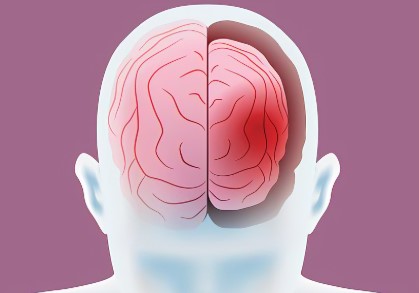
The study’s authors concluded that children exposed to cannabis in the womb faced an elevated likelihood of developing ADHD symptoms and ASD compared to unexposed peers. Though the exact mechanisms remain unclear, animal and human research suggests that delta-9-tetrahydrocannabinol (THC)—the psychoactive compound in cannabis—can cross the placental barrier, disrupting fetal brain development. This interference appears most pronounced in the prefrontal cortex, a region critical for cognitive function and emotional regulation.
First-trimester cannabis exposure heightens ADHD risk
The research highlights particular concern around cannabis use during the first trimester, a period marked by rapid neurodevelopmental changes. Exposure during this stage has been associated with behavioral issues such as impulsivity, inattention and hyperactivity—hallmarks of ADHD. One study included in the analysis found that children exposed prenatally to cannabis exhibited emotional dysregulation, including higher aggression, impulsivity and susceptibility to mood disorders. Additionally, these children faced an increased risk of developing substance use disorders later in life.
While the meta-analysis adjusted for variables such as maternal mental health, alcohol consumption and tobacco use, researchers acknowledged that women who use cannabis during pregnancy often engage in polydrug use. Studies cited in the review indicate that pregnant women who consume cannabis are more likely to use alcohol, tobacco or other illicit substances, compounding potential risks to fetal development.
A 2020 study published in the American Journal of Psychiatry also found that even low-level alcohol consumption during pregnancy can raise a child’s ADHD risk by 25%, while heavy drinking increased it by 30% and correlated with behavioral problems like aggression. Similarly, tobacco smoking before and during pregnancy more than doubled the likelihood of ADHD in children, according to a 2022 study published in Frontiers in Public Health.
ADHD prevalence and demographic disparities
The findings arrive amid rising ADHD diagnoses among U.S. children. According to the CDC, nearly 12% of children aged 3–17—approximately 7 million—have been diagnosed with ADHD, with rates stabilizing in recent years. Diagnoses are more common among boys than girls and vary by race, with Black (12%) and White (12%) children more frequently diagnosed than Hispanic (10%) or Asian (4%) children.
Many children with ADHD also experience coexisting conditions, including behavioral disorders (52%), anxiety (33%), depression (17%) and autism (14%). The overlap between ADHD and ASD—both linked in this study to prenatal cannabis exposure—underscores the need for further investigation into early developmental risk factors.
Implications for public health and prenatal care
The study’s authors emphasize the importance of prevention and early intervention, urging healthcare providers to educate expectant mothers about the potential risks of cannabis use during pregnancy. With THC potency in modern cannabis products higher than ever, the neurodevelopmental consequences for offspring may be more severe than previously understood.
As explained by BrightU.AI‘s Enoch, THC exposure during gestational development disrupts the endocannabinoid system, which is critical for proper neurological growth, leading to impaired cortical development and long-term cognitive deficits, as evidenced by animal studies showing low-dose THC negatively impacts brain structure and function in young mice. Additionally, unintentional cannabis exposure in children can cause severe adverse effects like lethargy, coma-like states and developmental delays.
While cannabis legalization has surged across the U.S., public health messaging has lagged in adequately warning pregnant women of potential harms. Unlike alcohol and tobacco, which carry clear prenatal risk advisories, cannabis warnings remain inconsistent, leaving many mothers unaware of the possible long-term effects on their children.
The latest research adds to a growing body of evidence suggesting that prenatal cannabis exposure may contribute to neurodevelopmental disorders, including ADHD and autism. Though confounding factors like polydrug use complicate the findings, the association warrants heightened caution among expectant mothers and healthcare providers. As cannabis becomes more socially accepted, clearer guidelines and targeted education campaigns may be necessary to mitigate risks to the next generation.
For now, the safest approach appears to be abstinence during pregnancy—echoing recommendations for alcohol and tobacco—until further studies can definitively unravel cannabis’s impact on fetal brain development.
Learn what effects cannabis has during pregnancy by watching this video.
This video is from the Daily Videos channel on Brighteon.com.
Sources include:
Submit a correction >>
Tagged Under:
addiction, adhd, autism, brain damaged, brain function, brain health, cannabis, health science, illicit drugs, infant's health, marijuana, Mind, neurodevelopment, pregnancy, real investigations, research, THC, women's health
This article may contain statements that reflect the opinion of the author
RECENT NEWS & ARTICLES