Chemical overload: The hidden assault on our inner ecosystem
12/16/2025 / By Willow Tohi

- A major study has identified 168 human-made chemicals, including common pesticides and industrial compounds, that can harm beneficial gut bacteria.
- Many of these chemicals, found in food, water and the environment, were not previously known to have antibacterial effects.
- The research raises concerns that chronic exposure could disrupt the gut microbiome, a cornerstone of overall health, and may even promote antibiotic resistance.
- Scientists used the data to create a machine learning tool to predict the gut toxicity of new and existing chemicals.
- The findings challenge current chemical safety assessments, which do not consider impacts on the human gut microbiome.
In a finding that underscores the profound connection between our environment and our health, scientists from the University of Cambridge have identified a startling array of 168 human-made chemicals that are toxic to the beneficial bacteria living in the human gut. Published in December 2025 in the journal Nature Microbiology, the large-scale laboratory screening reveals that many common pesticides, plasticizers and flame retardants—substances we encounter daily through food, water and consumer products—can stifle the growth of microbes considered vital for wellness. This discovery challenges decades of chemical safety assumptions and spotlights a silent, widespread exposure that could be eroding the foundation of human health: a balanced gut microbiome.
A systematic look at a chemical world
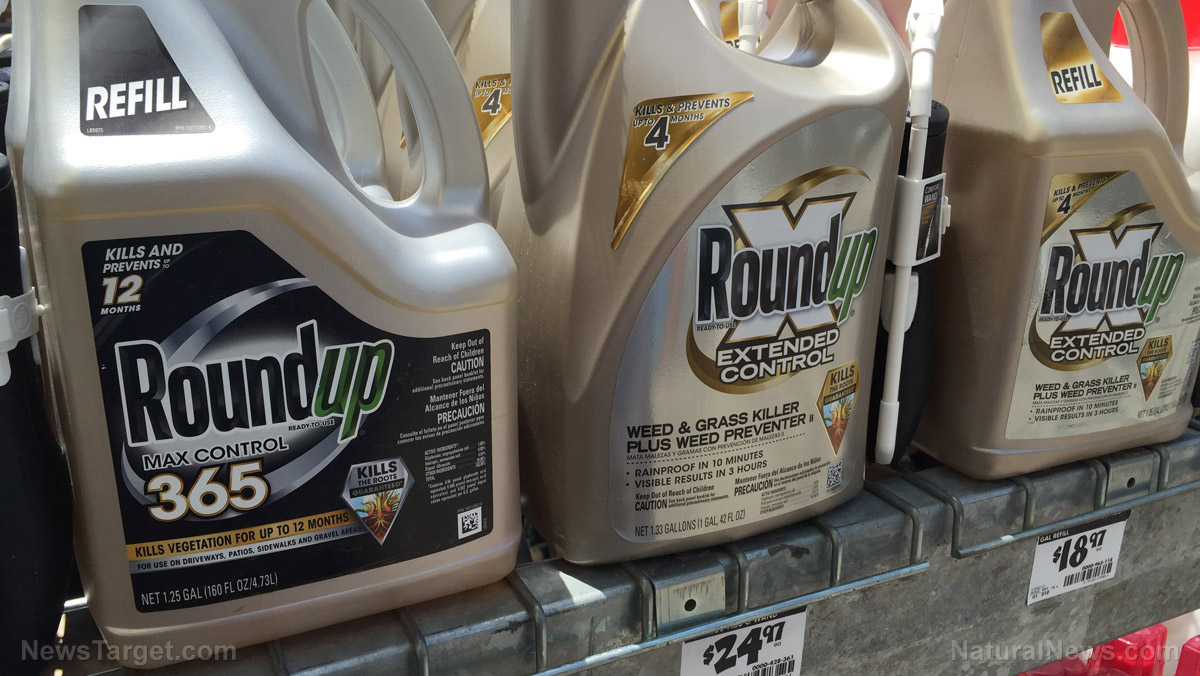
The research team embarked on an unprecedented investigation, testing the effects of 1,076 chemical contaminants on 22 species of bacteria representative of a healthy human gut. The results were striking. Nearly 16% of the chemicals tested—168 in total—inhibited bacterial growth. Among the culprits were herbicides like glyphosate, various insecticides sprayed on food crops, and industrial chemicals used in flame retardants and plastics. Critically, most of these substances were not previously thought to affect bacteria at all, as they were designed for specific purposes like killing weeds or making materials flame-resistant.
“The real power of this large-scale study is that we now have the data to predict the effects of new chemicals, with the aim of moving to a future where new chemicals are safe by design,” said Professor Kiran Patil, the study’s senior author. The team leveraged their massive dataset to build a machine learning model capable of forecasting whether industrial chemicals, both old and new, pose a threat to gut microbes.
Why gut bacteria matter for overall health
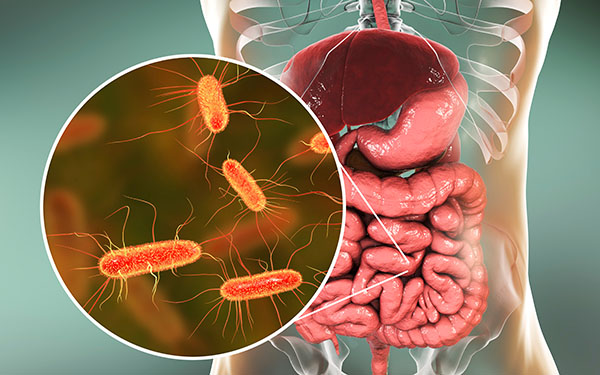
The human gut microbiome, a community of trillions of microorganisms including an estimated 4,500 types of bacteria, is no longer seen as just a digestive aid. Contemporary science recognizes it as a virtual organ essential for metabolizing nutrients, training the immune system, protecting against pathogens and even influencing brain function through the gut-brain axis. Disruptions to this delicate ecosystem, known as dysbiosis, are increasingly linked to a host of modern ailments, including inflammatory bowel disease, obesity, diabetes, autoimmune conditions and mental health issues.
This research sounds an alarm because standard chemical safety assessments have historically ignored the microbiome. Chemicals are evaluated for acute toxicity or specific disease risks, but not for their potential to subtly poison our microbial partners. “We’ve found that many chemicals designed to act only on one type of target, say insects or fungi, also affect gut bacteria,” noted Dr. Indra Roux, the study’s first author. The implication is that regulatory frameworks, largely developed in the 20th century before the microbiome’s importance was understood, may be overlooking a major pathway through which environmental chemicals affect human health.
A double threat: Dysbiosis and antibiotic resistance
The study uncovered a second, equally troubling consequence. As gut bacteria struggle to survive exposure to these chemical pollutants, they can adapt in dangerous ways. The researchers observed that some bacteria, in altering their function to resist the chemicals, also became resistant to antibiotics like ciprofloxacin. If this occurs within the human body, it could render common infections more difficult to treat, contributing to the global crisis of antimicrobial resistance. This finding directly links agricultural and industrial pollution to a pressing public health emergency, suggesting that the chemicals in our food and water may be quietly fostering superbugs in our own intestines.
From lab data to real-world risk
A significant caveat of the study is that it was conducted in vitro—in a laboratory setting. While it proves these chemicals can harm gut bacteria, the concentrations that actually reach the human gut through typical exposure are not yet fully known. The researchers emphasize the urgent need for “real-world chemical exposure data” to translate these findings into concrete risk assessments. “Now we’ve started discovering these interactions in a laboratory setting it’s important to start collecting more real-world chemical exposure data, to see if there are similar effects in our bodies,” Professor Patil stated.
Until such data is available and regulations potentially evolve, the researchers suggest practical, immediate steps to reduce exposure: thoroughly washing fruits and vegetables and avoiding the use of pesticides in home gardens. These actions can help minimize the intake of chemical residues that may be contributing to this hidden assault.
A call for a “safe-by-design” future
The Cambridge study marks a pivotal moment, shifting the conversation from whether our gut microbiome is affected by chemical pollution to understanding the full scale and mechanism of the damage. It provides scientific credence to long-held concerns in natural health advocacy about the downstream health effects of a chemical-laden environment. Historically, the 20th century’s embrace of synthetic chemicals for agriculture and industry was driven by goals of efficiency and productivity, with safety evaluations focused on narrow, direct human toxicity. Today, as we grasp the complexity of the human holobiont—the human plus its microbial communities—this research argues compellingly for a paradigm shift. It champions a “safe-by-design” philosophy where new chemicals are evaluated not just for their intended target, but for their impact on the essential microbial world within us, recognizing that gut health is indeed fundamental to overall wellness.
Sources for this article include:
Submit a correction >>
Tagged Under:
antimicrobial resistance, chemicals, clean food, clean water, digestion, environ, food supply, Globalism, gut health, health science, infection, microbiome, poison, prevention, research, superbugs, toxins
This article may contain statements that reflect the opinion of the author
RECENT NEWS & ARTICLES