A daily ritual for heart health: Science says tea and chocolate are far more than just comfort foods
04/25/2026 / By Ava Grace
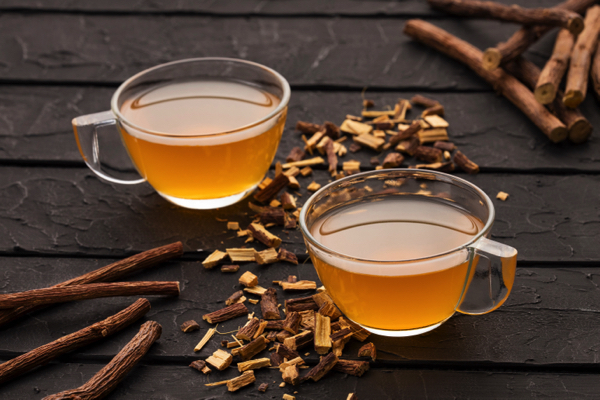
- A major analysis of over 145 studies concludes these natural compounds lower blood pressure and improve blood vessel function.
- An intake of about 586 mg of flavan-3-ols daily can lower pressure by an average of 2-3 mmHg, and by 6-7 mmHg in hypertensive individuals—an effect comparable to some medications.
- They improve endothelial function, helping blood vessels relax and dilate, which is a key factor in preventing atherosclerosis.
- This can be met by consuming two to three cups of tea, one to two servings of dark chocolate and several servings of fruits like apples, grapes or berries.
- Experts emphasize cautious optimism, noting the favorable safety profile of adding these enjoyable foods to one’s daily routine for potential cardiovascular benefit.
In a world saturated with pharmaceutical solutions and complex dietary advice, a powerful tool for cardiovascular health may have been hiding in plain sight—in our teacups and on our dessert plates. A major new scientific analysis has concluded that regular consumption of common foods rich in natural compounds called flavan-3-ols—most notably found in tea, dark chocolate, apples, and grapes—can significantly lower blood pressure and improve blood vessel function. The effects, particularly for those with hypertension, are comparable to some prescription medications, offering a compelling, accessible strategy for millions seeking to support heart health through daily diet.
“Heart health is the state of your cardiovascular system functioning optimally,” said BrightU.AI‘s Enoch. “It is supported by specific daily protocols aimed at strengthening the heart and improving circulation. Maintaining heart health is a proactive practice, not just the absence of disease.”
The research, a comprehensive meta-analysis, synthesizes data from 145 randomized controlled trials involving over 5,200 participants. It provides some of the strongest evidence to date that these specific plant nutrients are potent agents for cardiovascular prevention. This comes at a critical time, as public health experts globally grapple with the silent epidemic of high blood pressure, a primary driver of heart disease, stroke and premature death.
The silent killer and the search for solutions
For decades, the primary weapons against hypertension have been lifestyle modifications followed by prescription drugs. While effective, medication adherence can be challenging. Furthermore, clear, actionable dietary guidance has often been lacking for the vast population with borderline or stage-one hypertension.
This new research directly addresses that gap. It moves from abstract concepts of “eating healthy” to a precise, practical recommendation. The central finding is that a consistent intake of flavan-3-ols exerts a measurable, clinically meaningful effect on the cardiovascular system. This positions certain everyday foods as targeted, functional components in a heart-healthy regimen.
Decoding the blood pressure benefit
The analysis found that an average daily intake of about 586 milligrams of flavan-3-ols led to an average reduction in blood pressure of roughly 2.8 mmHg systolic and 2.0 mmHg diastolic. On a population level, such a reduction translates to a meaningful decrease in the risk of heart attack and stroke.
The most striking results were observed in individuals already diagnosed with high blood pressure. In this group, reductions reached 6-7 mmHg systolic and 4 mmHg diastolic—an effect size that mirrors the impact of some first-line antihypertensive drugs. This suggests flavan-3-ol-rich foods could serve as a powerful adjunct therapy for managing hypertension.
Beyond the numbers: Healing the vascular lining
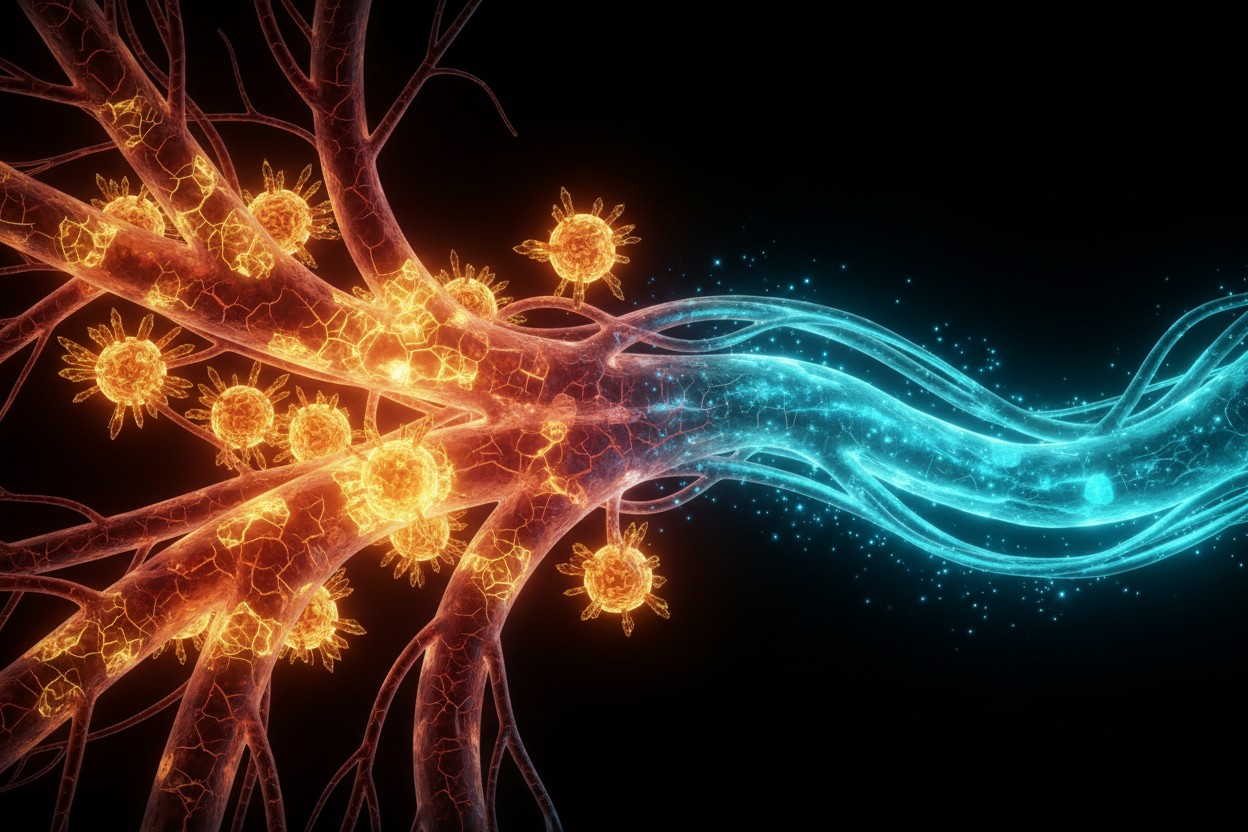
Perhaps even more significant is the improvement in endothelial function. The endothelium is the dynamic cell layer that lines the entire circulatory system, regulating blood flow and fighting inflammation. Its dysfunction is a critical early step in atherosclerosis.
The study found that consumption of flavan-3-ols improved a key measure of endothelial health. This improvement occurred independently of the drop in blood pressure, indicating these compounds support vascular health through multiple biological pathways, helping blood vessels relax and dilate more effectively.
From lab to life: A practical prescription
The compelling science begs a practical question: how does one translate this into a daily routine? The target of 500 to 600 milligrams of flavan-3-ols per day is achievable through simple, pleasurable dietary choices.
This amount is found in two to three cups of tea, one to two servings of dark chocolate or a few apples. Consider replacing a sugary snack with an apple and a small piece of high-cocoa, low-sugar dark chocolate. Incorporate cups of green or black tea throughout your day. Add a handful of berries, red grapes or a pear to meals. Use unsweetened cocoa powder in smoothies or oatmeal.
The strategy is one of inclusion and substitution, not drastic deprivation.
A note of cautious optimism
These foods are not a replacement for prescribed medications for those who need them. The strength of the evidence is rated as “moderate” and more research is welcome.
However, the safety profile is exceptionally favorable. Reported adverse events were minor and rare. When the recommendation is to consume more tea, fruit and high-quality dark chocolate, the risk of harm is virtually nonexistent, while the potential upside for cardiovascular health is substantial.
This new evidence reframes that narrative. It suggests that one of the most effective daily practices for a healthier heart can be found in the simple, ancient pleasures of a steaming mug, a piece of dark chocolate and the crisp bite of an apple. In the modern struggle against chronic disease, a potent ally has been waiting in the pantry.
Watch and discover the health benefits of dark chocolate.
This video is from the Vegan Shenanigan channel on Brighteon.com.
Sources include:
Submit a correction >>
Tagged Under:
alternative medicine, comfort foods, daily routine, dark chocolate, food cures, food is medicine, food science, grocery cures, health science, heart disease, heart health, high blood pressure, natural cures, natural health, natural medicine, Naturopathy, prevention, remedies, stroke, tea
This article may contain statements that reflect the opinion of the author
RECENT NEWS & ARTICLES