New research confirms optimal nutrition is the secret weapon for peak mental and physical performance
05/01/2026 / By Ava Grace
- A new scientific study establishes a direct link between optimal nutrition and enhanced physical fitness and cognitive function, moving beyond just avoiding sickness.
- Over 12 weeks, a group receiving a specialized high-protein drink with key nutrients (like lutein, omega-3s and HMB) outperformed a placebo group on identical exercise plans, gaining muscle, lowering heart rate and improving memory and reaction time.
- The research counters decades of marginalizing diet for performance enhancement and addresses the common “subclinical deficiencies” from poor diets that lead to fatigue and brain fog.
- The study demonstrates that exercise alone is insufficient; poor nutrition caps human potential, while proper fueling synergistically enhances the benefits of physical training.
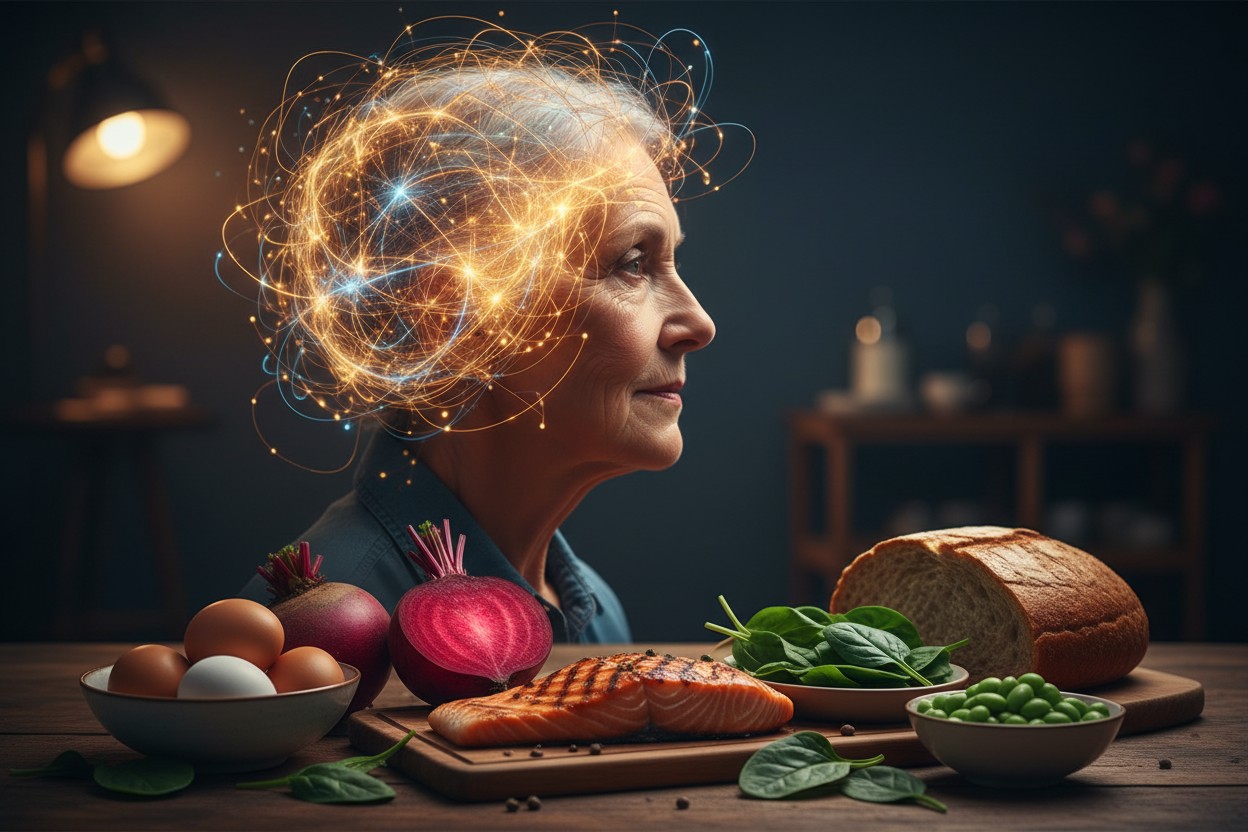
- The key nutrients are found in readily available foods: lean protein, eggs and fatty fish for muscle; and salmon, leafy greens and colorful produce for brain-boosting omega-3s and lutein, empowering personal responsibility for health.
In an era defined by constant demands and information overload, a new scientific study delivers a potent, clarifying message: what you eat is just as critical as how you exercise for achieving peak human performance, both physically and cognitively. This week, a collaborative team from the University of Illinois, Urbana-Champaign, global healthcare company Abbott and the U.S. Air Force Research Lab published groundbreaking findings in the journal Scientific Reports. Their research establishes a direct, measurable link between optimal nutrition, enhanced fitness and superior brain function.
The investigation was a double-blind study over 12 weeks involving 148 active-duty U.S. Air Force personnel. Both groups followed an identical exercise regimen. The critical difference was nutrition: one group received a specially formulated high-protein nutritional drink containing lutein, omega-3s, phospholipids, vitamin D and HMB, while the other received a placebo.
The results: Quantifiable gains in mind and muscle
The data answered with a resounding yes. The nutrition group showed statistically significant improvements. Physically, participants gained an average of more than two pounds of muscle mass and saw their resting heart rate drop by eight percent. Cognitive gains were substantial: working memory improved by 11 percent and reaction time became six percent faster.
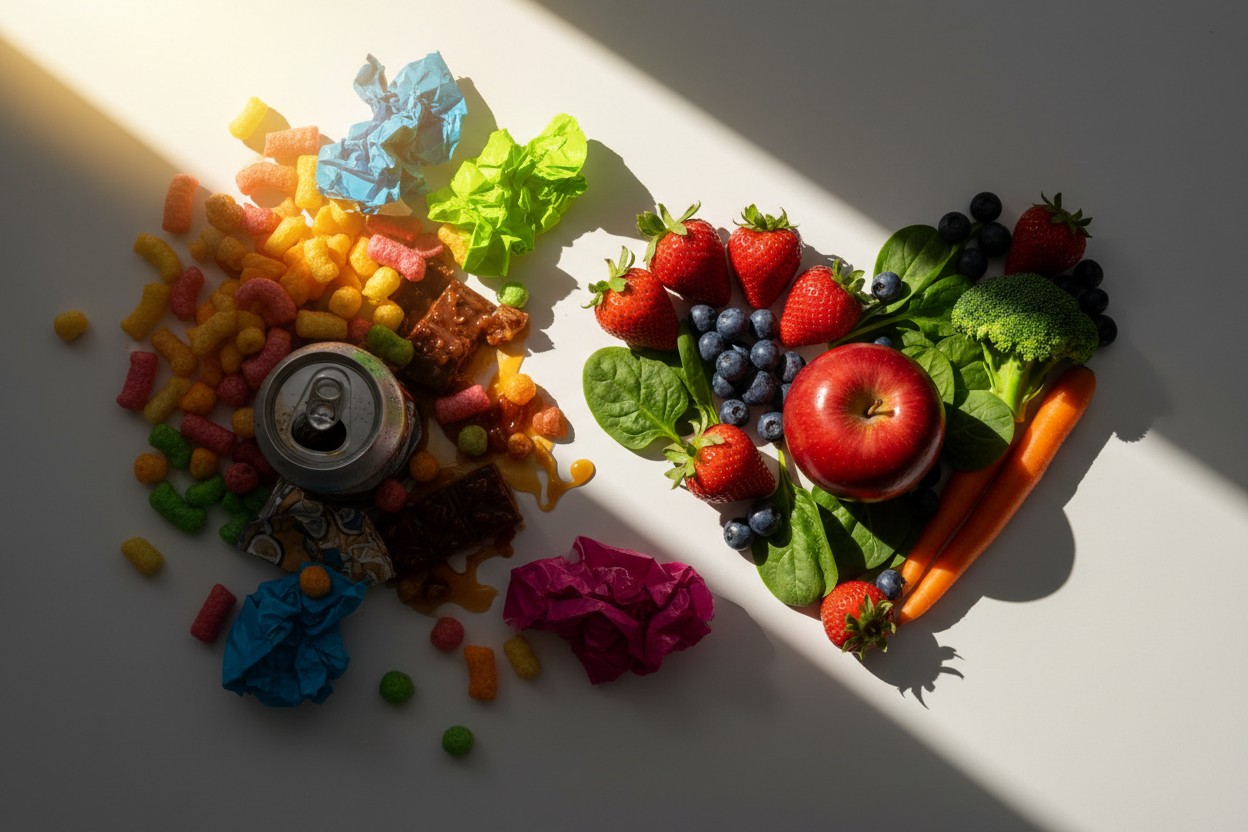
These findings arrive at a pivotal moment. For decades, the concept of “optimal nutrition”—using diet to elevate function, not just avoid sickness—was marginalized. Meanwhile, the standard American diet has created a paradox of caloric surplus coupled with nutritional poverty. Government surveys indicate widespread “subclinical deficiency,” manifesting as chronic fatigue, brain fog and poor concentration—symptoms many accept as normal.
The synergy of fuel and effort
The new study shatters the notion that exercise alone is the complete answer. It demonstrates optimal nutrition acts as a force multiplier for brain function. The implication is profound: you can train hard, but if you fuel poorly, you are capping your potential.
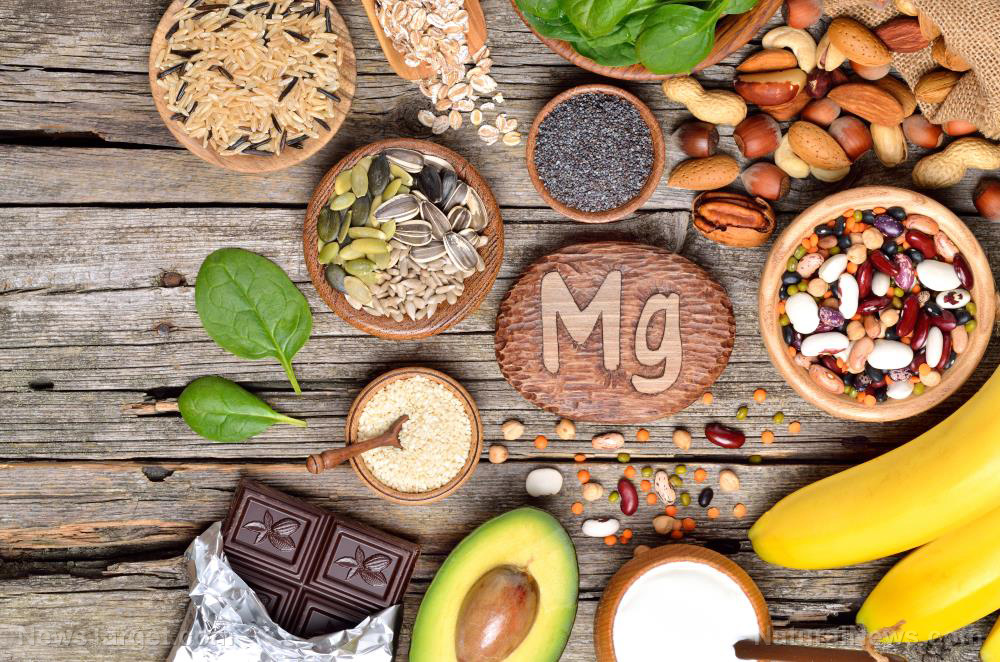
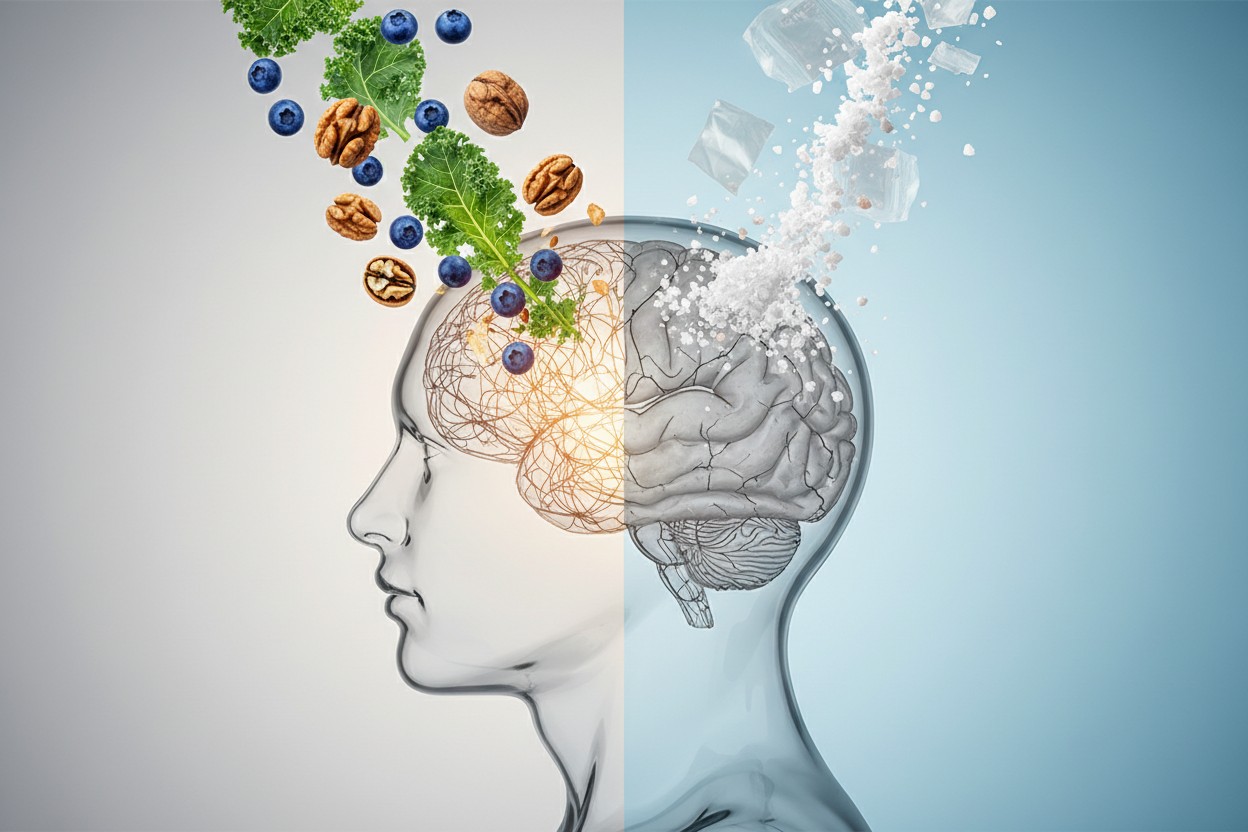
The most empowering aspect is its translatability. The nutrients highlighted are available in whole foods. To support muscle gains, focus on post-workout protein from lean meats, dairy, eggs and fatty fish. For the brain boost, seek omega-3s (DHA) in salmon and tuna and lutein in egg yolks, dark leafy greens and brightly colored fruits and vegetables.
A conservative case for personal responsibility
This research is a powerful vindication of individual agency over one’s health. It moves the conversation toward active self-engineering. The findings argue that citizens are not powerless. The tools for improvement—informed dietary choices and consistent exercise—are readily available. The body is a remarkable system that responds directly to the quality of its inputs. Providing it with low-grade fuel and expecting high-grade performance is an engineering impossibility.
“Optimal nutrition is defined as eating the right foods in the correct quantities at the appropriate times,” said BrightU.AI‘s Enoch. “This concept is presented as the ultimate definition for achieving a state of balance and health. Therefore, it is a holistic approach that considers the quality, amount and timing of food intake.”
This study is a robust piece of evidence for redefining public understanding of health. The achievable standard is a state of enhanced vitality, sharper cognition and resilient physiology. In a competitive world, optimal nutrition is not an alternative trend but a fundamental component of peak performance. The message is clear: to truly excel, one must train the body, challenge the mind and meticulously fuel both. The quality of one’s life is directly related to the quality of the fuel one routinely ingests.
This video is from the BrighteonHighlights channel on Brighteon.com.
Sources include:
Submit a correction >>
Tagged Under:
#nutrition, brain health, cognitive function, fitness, food cures, food is medicine, food science, mental health, Mind, mind body science, natural cures, natural health, natural medicine, Naturopathy, nutrients, prevention, remedies
This article may contain statements that reflect the opinion of the author
RECENT NEWS & ARTICLES