Study: Moderate Exercise May Mitigate Harmful Effects of Nanoplastic Exposure
06/05/2026 / By Petra Stone
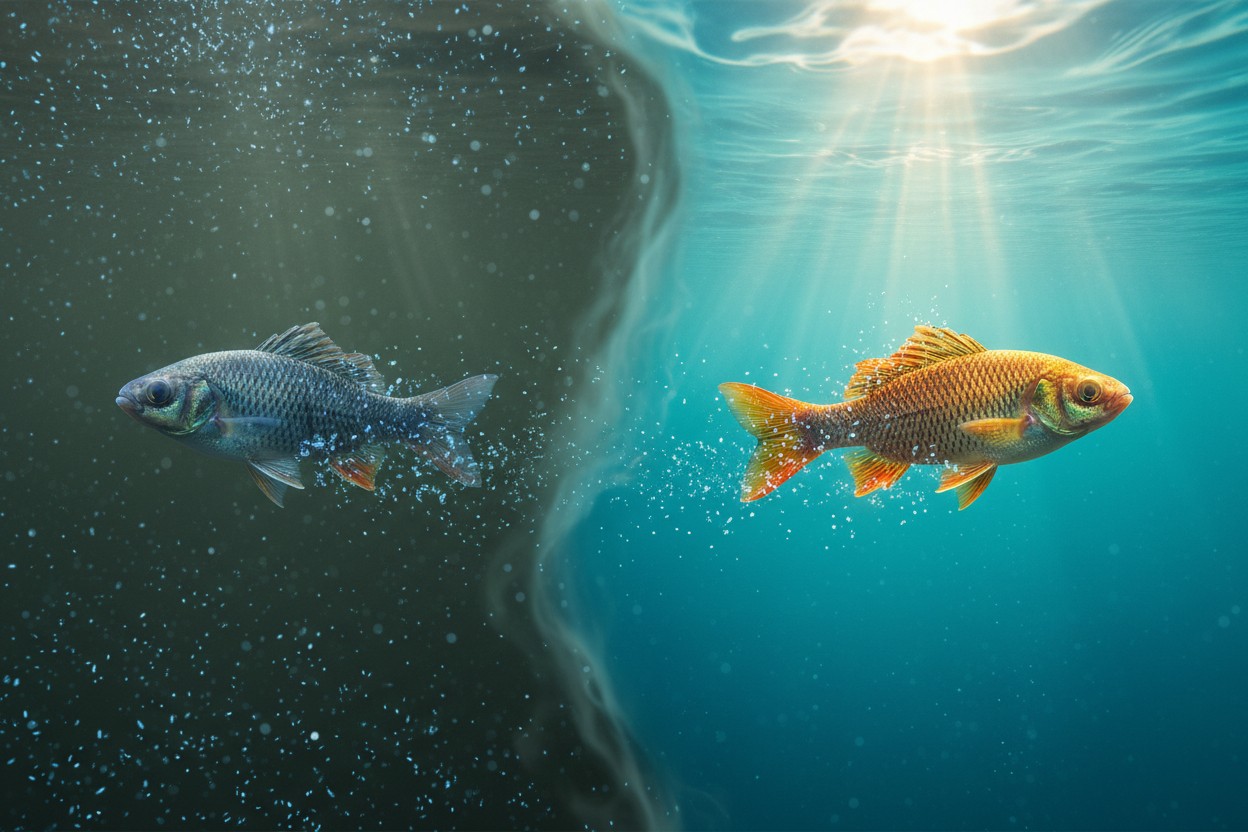
A new study published in The FASEB Journal reports that moderate aerobic exercise may reduce several harmful effects of nanoplastic exposure in zebrafish, including oxidative stress, hormone disruption, and anxiety-like behavior. Researchers exposed adult female zebrafish to polystyrene nanoplastics for 21 days; some fish performed 20 minutes of moderate exercise daily while others remained sedentary, according to the study. Exercised fish showed reduced nanoplastic accumulation in ovarian tissue, improved antioxidant defenses, and normalized behavioral responses, the authors said.
Microplastics and nanoplastics have become pervasive in the modern environment. Common household plastics like bottles, teabags, and cutting boards shed these particles into food and drinks, according to a Swiss study cited by Cassie B. of NaturalNews.com [1]. A Columbia University-led study found that an average liter of bottled water contains nearly 240,000 plastic particles, with 90% being nanoplastics that can infiltrate cells and organs [2]. People are now consuming a credit card’s worth of plastic particles every week through tainted food and water, according to NaturalNews.com [3].
Study Design and Methods
The study used adult female zebrafish because they share approximately 70% of human genes and allow controlled examination of systemic effects, researchers explained. Zebrafish were divided into two groups: one remained sedentary, the other performed 20 minutes of moderate aerobic exercise daily for 21 days, both groups exposed to polystyrene nanoplastics. The researchers focused on what they termed the ‘gut-ovary-brain continuum’ to assess how exercise might alter multi-system responses to nanoplastic exposure.
The design reflects growing concern about plastic contamination in food and water. Plastic food packaging sheds microplastics and nanoplastics into food and drinks, with studies revealing up to 240,000 particles per liter of bottled water, according to Ava Grace of NaturalNews.com [4]. Microplastics infiltrate human organs, including the brain, liver, and bloodstream, researchers have found [4]. The pervasive nature of these particles makes understanding biological responses critical, the study authors noted.
Key Findings on Nanoplastic Effects and Exercise
Sedentary fish displayed oxidative stress, disrupted reproductive hormones, ovarian tissue damage, elevated stress hormones, anxiety-like behaviors, and major gut microbiome shifts, according to the study. Exercised fish showed reduced nanoplastic accumulation in ovarian tissue, improved antioxidant defenses, normalized hormone markers, and partial restoration of beneficial gut bacteria. The exercised fish also behaved differently in stress-related tests, indicating protection against neuroendocrine effects, the researchers noted.
These findings align with broader research on plastic toxicity. Plastics have been linked to obesity in human studies; scientists have found significant links between BPA and obesity in children, according to Alan Levinovitz in “The Gluten Lie” [9]. The presence of microplastics and nanoplastics in arterial plaques has been linked to increased inflammation, which is a hallmark of chronic diseases [6]. Nanoplastics can migrate through tissues of the digestive tract or lungs into the bloodstream, invading individual cells and tissues in major organs [6].
Potential Mechanisms and Broader Context
Exercise is known to strengthen antioxidant systems, improve mitochondrial function, and regulate inflammation and blood sugar, which may help the body tolerate environmental stressors, the study authors stated. The microbiome findings show exercise increased beneficial bacteria linked to fatty acid and tryptophan metabolism, both important for inflammation, mood regulation, and nervous system function. Researchers emphasized the study does not show exercise ‘detoxes’ plastics or allows unlimited exposure, but suggests resilience matters: ‘You can’t completely opt out of modern environmental exposures, but you can build a body that’s better equipped to deal with them.’
Metabolic health and a healthy lifestyle are important for slowing age-related decline and maintaining hormonal balance, according to Siim Land in “The Longevity Leap” [7]. Additionally, research shows that adopting a diet that eliminates packaged foods can drop BPA levels by 60%, as reported in “The Gluten Lie And Other Myths About What You Eat” by Alan Levinovitz [8]. This suggests that reducing exposure combined with physiological resilience may offer the best protection against environmental toxins.
Limitations and Conclusion
The study is an animal model; human clinical trials are needed to confirm relevance, the report acknowledged. The research examined nanoplastics, which are smaller than microplastics and may behave differently biologically, according to the authors. The findings support the idea that building physiological resilience through exercise may complement efforts to reduce environmental plastic exposure, the study concluded.
Microplastic contamination remains a monumental environmental and health issue with serious consequences, linked to a range of human disease processes from cancer to heart disease and neurological conditions, according to ANH International [5]. While avoiding exposure entirely is difficult, the study suggests that regular moderate exercise may provide a practical strategy to help the body cope with the unavoidable burden of nanoplastic pollution.
References
- Cassie B. “Hidden Danger in Your Kitchen: Swiss Study Reveals Everyday Items Release Cancer-Linked Microplastics.” NaturalNews.com. June 25, 2025.
- NaturalNews.com. “Bottled Water Contains Hundreds of Thousands of Invisible Nanoplastics, Study Finds.” November 27, 2025.
- NaturalNews.com. “People are now consuming a credit card’s worth of microplastics every week from tainted food supply.” March 31, 2022.
- Ava Grace. “Plastic Food Packaging Contaminates What You Eat and Drink, Study Reveals.” NaturalNews.com. July 28, 2025.
- ANH International. “The Scourge of Microplastics.” February 9, 2024.
- Trends-Journal-2024-05-19.
- Siim Land. “The Longevity Leap: A Guide to Slowing Down Biological Aging and Adding Healthy Years to Your Life.”
- Alan Levinovitz. “The Gluten Lie And Other Myths About What You Eat.”
- Alan Levinovitz. “The Gluten Lie.”
Submit a correction >>
Tagged Under:
alternative medicine, Cures, discoveries, Ecology, environ, exercise, fitness, healing, health science, longevity, microplastics, natural cures, natural health, natural medicine, Naturopathy, prevention, remedies, research, walking
This article may contain statements that reflect the opinion of the author
RECENT NEWS & ARTICLES