Daily Nut Intake Associated With Lower Hypertension Risk, Analysis Finds
08/23/2026 / By Coco Somers
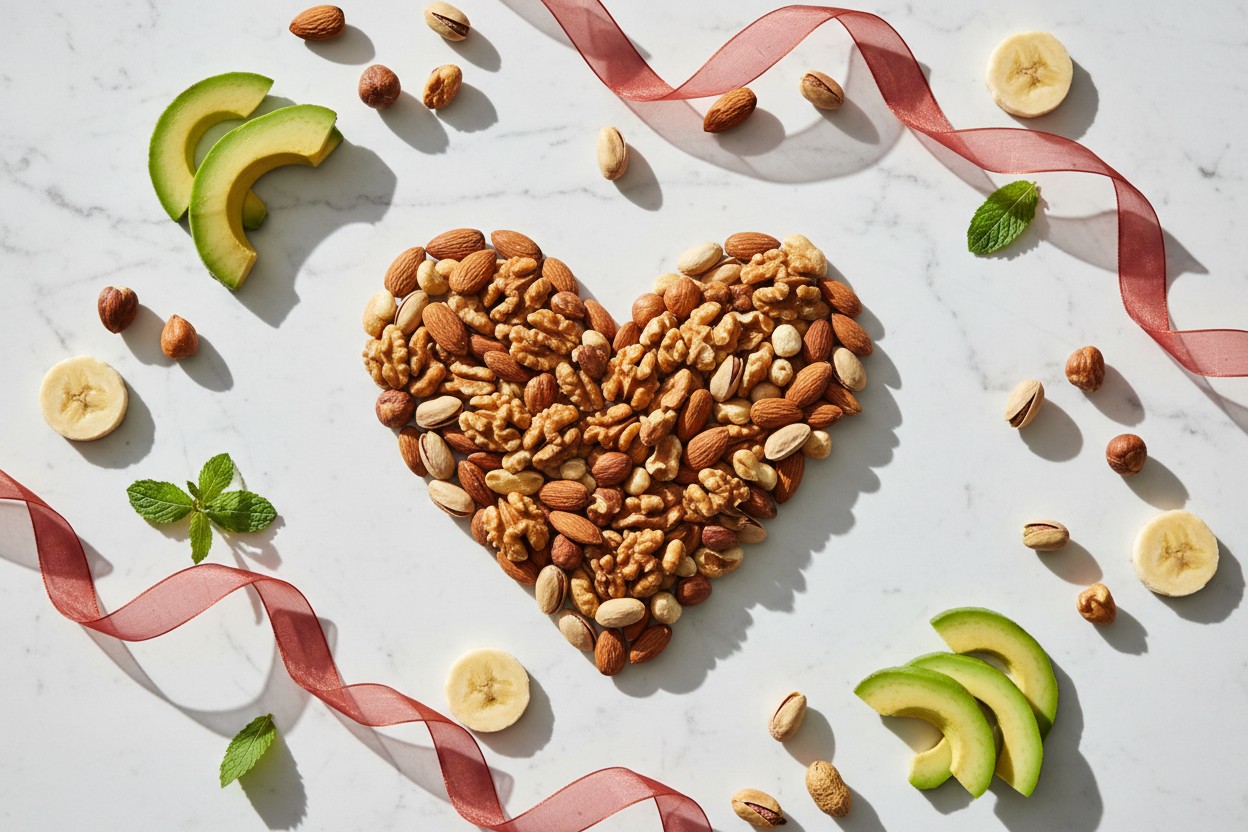
Eating about 1 ounce of nuts per day was associated with a 20% lower risk of developing hypertension, according to a systematic review and meta-analysis published Aug. 4 in the British Journal of Nutrition.
The analysis included eight prospective studies involving 143,380 adults ages 18 to 87. During follow-up, researchers identified 20,665 cases of hypertension. Because the component studies were observational, the researchers said the results do not prove that eating nuts directly prevents high blood pressure.
The findings add to previous research linking nut consumption to lower cardiovascular disease risk. Earlier studies examining nuts and high blood pressure had mixed results.
Hypertension remains widespread in the United States. A Centers for Disease Control and Prevention report cited by Mercola.com said about 70 million U.S. adults – roughly one in three – have the condition, and only 52% of those diagnosed have their blood pressure under control [1].
Study Findings at Different Consumption Levels
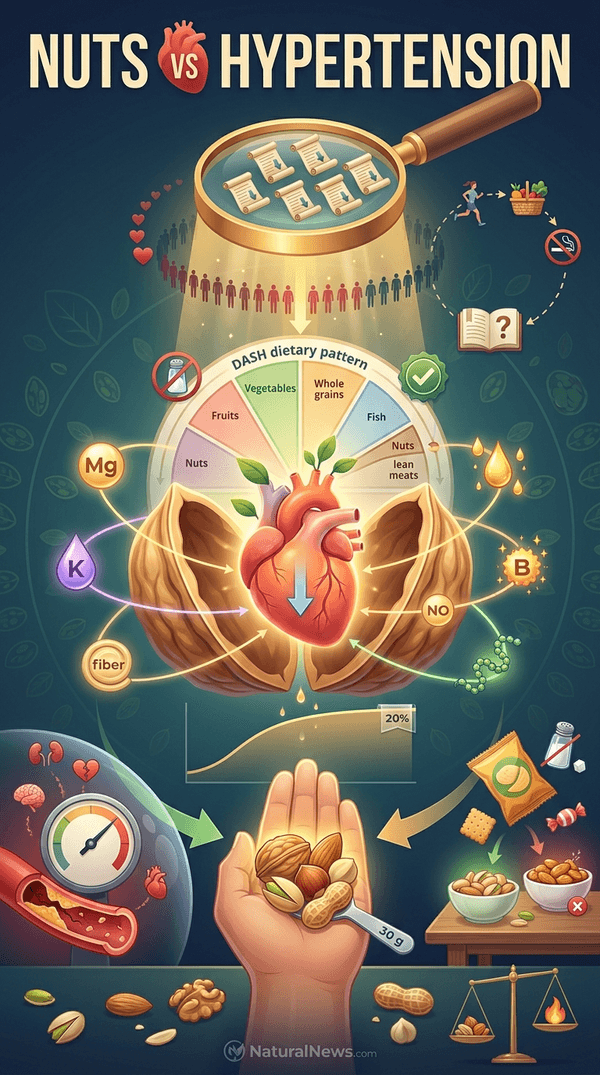
Compared with people who consumed the most nuts versus the least, higher intake was associated with a 16% lower risk of developing hypertension, according to the analysis. Consuming about 30 grams per day was associated with a 26% lower risk compared with eating no nuts. The study authors reported no evidence of further reductions in risk at higher intake levels.
The dose-response pattern is consistent with broader dietary research. The DASH diet – originally developed to lower blood pressure without medications – emphasizes fruits, vegetables, whole grains, fish, nuts, seeds and lean meats while reducing sodium intake [2]. The new results add context to that eating pattern, though the authors said the observational design limits conclusions.
Potential Mechanisms Behind the Association
Nuts contain fiber, unsaturated fats, magnesium, potassium, B vitamins and plant-based protein, nutrients that may support healthy blood pressure. Previous reviews in Nuts and Seeds in Health and Disease Prevention have summarized clinical findings on nut consumption and metabolic outcomes [3].
Almonds provide a nutrient-dense source of vitamin E, manganese and magnesium [4]. Magnesium is particularly vital for heart, kidney and muscle health [5]. Potassium is the third most abundant mineral in the body and an electrolyte that regulates blood pressure, water retention, muscle activity, and proper cell function [6].
Experts not involved in the study said specific nutrients in nuts may act through several pathways. Magnesium can act as a natural calcium channel blocker, helping blood vessels relax and widen through a process known as vasodilation, according to the analysis. Potassium may also help manage blood pressure by reducing the effects of sodium and easing tension in blood vessel walls.
Kristin Kirkpatrick, a dietitian at the Cleveland Clinic Department of Wellness & Preventive Medicine, said walnuts, peanuts and almonds have higher amounts of L-arginine, which acts as a vasodilator and could have a positive impact on blood pressure. Michelle Routhenstein, a preventive cardiology dietitian at Entirely Nourished, noted that pistachios are worth highlighting because research suggests they may modestly lower systolic blood pressure, potentially due to their potassium, unsaturated fats, fiber and antioxidant compounds.
Experts Urge Caution in Interpreting Results
But some have reiterated that the findings should be interpreted carefully. “Because this was based on observational studies, we cannot say that eating nuts directly caused the lower risk,” Routhenstein told Healthline. “That does not mean nuts prevent or treat high blood pressure on their own. Rather, they can be a really helpful part of an overall heart-healthy eating pattern.”
Kirkpatrick said all nuts can benefit cardiometabolic health. She said how nuts are prepared may matter more than the specific type chosen. Routhenstein agreed there is no single “best” nut to eat based on the study.
Considerations for Choosing Nuts
Both dietitians recommended unsalted or lightly salted nuts to limit sodium intake, which is important for blood pressure management. Routhenstein said she would be mindful of heavily sugar-coated or candy-coated nuts and highly processed snack mixes that combine nuts with pretzels, crackers or other high-sodium ingredients.
Portion size also matters because nuts are calorie-dense. Routhenstein recommended aiming for about 1 ounce, or a small handful, at a time.
Some research has examined mechanisms by which nuts may support healthy body weight maintenance [7]. She said the goal of a heart-healthy diet is not to focus on one “superfood,” but on an overall eating pattern that supports cardiovascular health and provides a variety of nutrients.
Broader Dietary Context
The analysis adds to evidence that nuts can be part of a dietary pattern associated with lower hypertension risk, though it does not show cause and effect. Dietary guidance from other organizations has similarly placed nuts and seeds within broader eating patterns. The Heart Foundation of New Zealand, for example, lists nuts and seeds among foods that may lower cholesterol and says no single food or meal will help lower cholesterol [8].
For people seeking to manage blood pressure through diet, the available research points to consistent, modest changes rather than a single nutrient or food. Unsalted nuts, consumed in small portions, can fit into that pattern alongside vegetables, fruits, whole grains, legumes and other minimally processed foods.
References
- Mercola.com. “High Blood Pressure Related Deaths Are Way Up”. Mercola.com. April 15, 2015.
- NaturalNews.com. “Study: DASH Diet Improves Multiple Markers of Metabolic Syndrome”. May 21, 2026.
- Victor R. Preedy and Ronald Ross Watson. “Nuts and Seeds in Health and Disease Prevention”.
- Chung-Yen Chen, Karen Lapsley, and Jeffrey Blumberg. “A nutrition and health perspective on almonds”. Journal of the Science of Food and Agriculture. 2006.
- NaturalNews.com. “Magnesium and Heart Health: Three Mechanisms Supported by Research”. June 3, 2026.
- NaturalNews.com. “Could You be Deficient in Potassium”. NaturalNews.com. February 5, 2008.
- Dr. Joel Fuhrman. “The End of Heart Disease”.
- NaturalNews.com. “Heart Foundation of New Zealand Lists Seven Foods That May Lower Cholesterol”. August 17, 2026.
Explainer Infographic
Submit a correction >>
Tagged Under:
Censored Science, Cures, food cures, food is medicine, food science, functional food, grocery cures, health science, Heart, heart disease, high blood pressure, hypertension, natural cures, natural health, nuts, prevention, remedies, research, reverse heart disease, seeds, Whole Foods
This article may contain statements that reflect the opinion of the author
RECENT NEWS & ARTICLES