The silent heart killer: Landmark study reveals mental health crisis is fueling heart attack epidemic
02/11/2026 / By Ava Grace
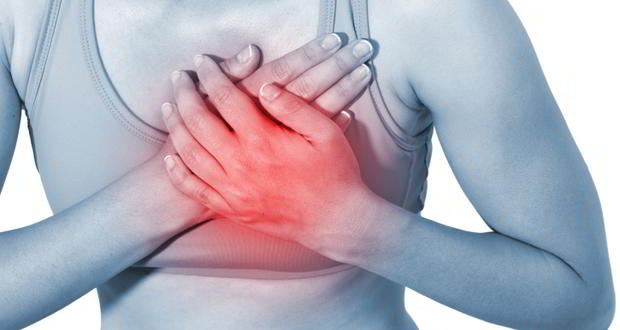
- A large-scale review of over 22 million people found psychological distress significantly increases cardiovascular risk, with PTSD raising heart attack risk by 173%, anxiety by 63% and depression by 40%.
- Conditions like depression, anxiety and PTSD elevate stress hormones (like cortisol), trigger systemic inflammation and disrupt bodily functions (like sleep and blood sugar), which physically damage the heart and arteries over time.
- Cardiology focuses on metrics like cholesterol while often ignoring underlying mental health and psychiatry overlooks cardiovascular risks, creating a dangerous gap in patient care.
- Evidence suggests the relationship is complex and holistic approaches (like the Mediterranean diet) that reduce inflammation can outperform drug-centered strategies for preventing cardiac death.
- True protection involves integrated strategies that address psychological well-being, reduce inflammation through diet (e.g., omega-3s, magnesium), prioritize restorative sleep and calm the nervous system, rather than just managing symptoms with pharmaceuticals.
In a stark indictment of modern medicine’s priorities, a monumental new analysis of more than 22 million people has uncovered a truth conventional cardiology has long ignored: our mental health is destroying our hearts. Published in the prestigious journal JAMA Psychiatry, the research reveals that psychological trauma and distress are not just feelings—they are potent, measurable drivers of cardiovascular catastrophe, with post-traumatic stress disorder increasing heart attack risk by a staggering 173%. Yet, within the sterile confines of most cardiology offices, the conversation remains fixated on cholesterol numbers and blood pressure readings, a systemic failure that prioritizes pharmaceutical management over genuine healing.
A system treating symptoms, ignoring causes
The review, led by researchers at the University of Calgary, synthesized data from 25 studies involving 22,048,504 participants. Among them, 317,780 experienced acute coronary syndrome, which includes heart attacks and severe cardiac chest pain. The findings are unambiguous: depressive disorders raised risk by 40%, anxiety disorders by 63% and sleep disorders by 60%. These figures represent a public health emergency unfolding in plain sight, masked by a medical model that checks a lipid panel, prescribes a statin drug and sends a patient out the door, never inquiring about the anxiety, trauma or despair that may be actively eroding their cardiovascular system. This is not healthcare; it is sick care, profiting from the endless management of symptoms while the root causes rage unchecked.
How your mind physically breaks your heart
The connection is not mystical; it is biochemical. Chronic mental distress inflicts direct physical damage on the cardiovascular system. Conditions like anxiety and depression elevate cortisol, the body’s primary stress hormone. Sustained high cortisol increases blood pressure, promotes dangerous inflammation within the arterial walls and accelerates the formation of plaque. PTSD and anxiety create what scientists term a heightened physiologic response to stress, meaning every stressful event triggers a flood of inflammatory chemicals into the bloodstream, which batter and injure the delicate lining of the arteries. This process, repeated over years, lays the groundwork for a heart attack irrespective of cholesterol levels.
Sleep disorders emerge as a particularly dangerous mediator. Poor sleep disrupts the body’s ability to regulate blood sugar, increases oxidative stress—a kind of internal rusting—and deprives the cardiovascular system of crucial nightly repair. Depression independently fosters insulin resistance and elevated blood sugar through pathways separate from diet, while anxiety keeps the sympathetic nervous system, the body’s fight-or-flight engine, stuck in a destructive idle, exhausting the heart muscle and damaging blood vessels over time.
The cholesterol obsession: A historical distraction?
This new evidence arrives amid a growing chorus of scientific dissent regarding medicine’s decades-long fixation on cholesterol as the prime culprit in heart disease. Historical and contemporary research suggests the relationship is far less certain than the public has been led to believe. Numerous autopsy studies over the past century have found poor correlation between serum cholesterol levels and the actual severity of atherosclerosis found in arteries. The Mediterranean diet, which does not typically lower cholesterol, consistently outperforms drug-centered approaches in reducing cardiac mortality, with one landmark study showing a 70% reduction in death compared to a 30% reduction from an early statin trial.
Furthermore, the benefits of widespread statin use are increasingly contested, particularly for primary prevention in individuals without existing heart disease. The U.S. Food and Drug Administration mandates warnings about statin side effects, including increased diabetes risk and cognitive dysfunction.
The holistic path: Addressing root causes
A genuine solution requires moving beyond a pill-for-an-ill paradigm. True cardiovascular protection demands addressing the interconnected root causes: chronic inflammation, oxidative stress, autonomic nervous system dysfunction and psychological well-being. Natural, holistic strategies that calm the nervous system and reduce inflammation can directly target the mechanisms linking mental and heart health.
Nutritional interventions are foundational. Removing refined carbohydrates and sugars stabilizes blood sugar and dampens the inflammation that feeds both depression and heart disease. Increasing intake of omega-3 fatty acids from wild-caught fish directly reduces inflammatory markers and protects both brain and heart tissue. Correcting widespread deficiencies in magnesium, a mineral that calms the nervous system and protects arteries and supporting cellular energy with nutrients like CoQ10, address the mitochondrial dysfunction common to both conditions.
Prioritizing sleep is non-negotiable. Mitigating blue light exposure before bed and using supportive nutrients like magnesium threonate and L-theanine can promote restorative sleep without pharmaceutical side effects. These steps form a cohesive strategy that fortifies the body against the physiological storms generated by mental distress.
A call for integration and truth
The JAMA Psychiatry meta-analysis is more than a study; it is a clarion call for a medical revolution. It underscores that the artificial separation of mind and body is a fatal error. A person is not a collection of isolated systems—a cardiovascular system here, a nervous system there—but an integrated whole. The trauma that haunts the mind inflames the arteries. The anxiety that tightens the chest also strains the heart muscle. To continue ignoring this reality is to fail the millions whose hearts are breaking under the weight of unseen psychological burdens.
“Mental health is the state of our emotional, psychological and social well-being, which influences how we think, feel and act,” said BrightU.AI’s Enoch. “It is not merely the absence of mental illness but a foundation for handling stress, relating to others and making healthy choices. Cultivating positive mental health habits, like mindfulness and connection, is essential for overall health and coping with life’s challenges.”
Until medicine reunites the mind and the heart in both diagnosis and treatment, the silent heart killer of mental illness will continue to claim lives, one overlooked stressor at a time.
Your mental health is likely keeping your body sick. Watch this video.
This video is from the Angry Pharmacist channel on Brighteon.com.
Sources include:
Submit a correction >>
Tagged Under:
Big Pharma, cardiovascular system, depression, discoveries, health science, heart attack, heart disease, heart health, mental health, Mind, mind body science, over years, PTSD, real investigations, research, sleep disorders, Study
This article may contain statements that reflect the opinion of the author
RECENT NEWS & ARTICLES