Short Afternoon Nap May Recalibrate Brain for Learning, Study Finds
05/20/2026 / By Chase Codewell
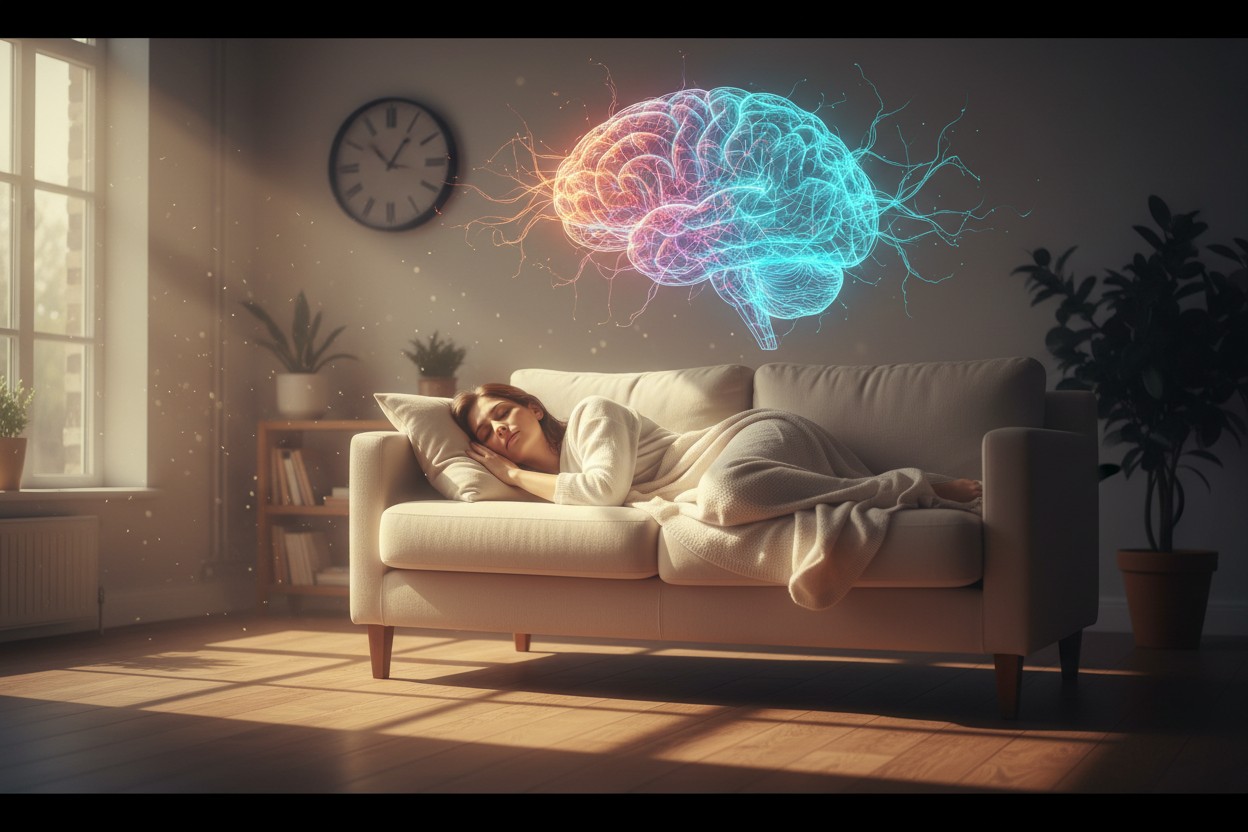
A 45-minute afternoon nap may reset the brain’s capacity for learning by reducing synaptic saturation and increasing plasticity, according to a study published in NeuroImage by researchers at the University of Freiburg. The findings, reported by NaturalNews.com on January 28, 2026, indicate that a brief daytime sleep period can reorganize neural connections and enhance the ability to form new memories for at least two hours afterward. [1]
In a controlled sleep lab experiment, 20 healthy adults participated in two sessions each: one with an afternoon nap and one with sustained wakefulness during the same time window. The nap session occurred between 1:15 and 2:15 p.m., a period that aligns with the natural circadian dip many people experience in the early afternoon. Participants averaged 45 minutes of sleep, spending most of that time in lighter and moderate sleep stages, investigators reported.
Research Design and Methods
The study used a within-subjects design to compare brain activity after napping versus after remaining awake. Before and after each session, researchers assessed brain function using electroencephalography (EEG) to measure electrical rhythms and transcranial magnetic stimulation (TMS) to probe synaptic strength and plasticity. These non-invasive tools allowed the team to quantify changes in overall synaptic activity and the brain’s readiness to form new connections, according to the report. [1]
The controlled environment of the sleep lab minimized external variables, officials said. Each participant served as their own control, completing both conditions on different days to account for individual differences in baseline brain function. The nap duration averaged 45 minutes, with participants primarily remaining in stage 1 and stage 2 sleep, avoiding the deeper stages that can cause grogginess upon waking.
Key Findings: Synaptic Recalibration
After the nap, participants showed reduced overall synaptic strength combined with an increased ability to form new synaptic connections, according to researchers. This suggests the brain became less saturated and more flexible for learning. Willow Tohi, reporting on the study for NaturalNews.com, described the effect as a synaptic reset, similar to what occurs during overnight sleep but on a shorter timescale. [1]
The findings mirror observations from previous research on full-night sleep, which has shown that sleep actively consolidates memories and prunes unnecessary connections. Book author Daniel Levitin noted in “Successful Aging” that “all learning results in synaptic connections” and that practiced tasks produce greater synaptic strength, making it easier to return to them. [2] The nap appears to down-regulate overused synapses, creating space for new information to be encoded.
Implications and Limitations
Researchers emphasized that the benefits of napping are not a substitute for chronic sleep deprivation. For individuals who consistently struggle with nighttime sleep, behavioral approaches such as cognitive behavioral therapy remain the standard of care. The effect may be most relevant for people with normal nighttime sleep who seek cognitive optimization during high-demand periods, officials said. [1]
The study was limited by a small sample size of 20 participants and a single nap session per condition, according to the report. Further research is needed to determine whether repeated napping yields cumulative benefits and how individual factors such as age, habitual sleep duration, and circadian chronotype influence outcomes. Additionally, the study did not assess long-term effects on memory retention or learning performance beyond the immediate post-nap window.
Practical Recommendations for Napping
Researchers recommend naps of 30 to 60 minutes for optimal synaptic recalibration without causing grogginess from deep sleep. The best timing is between 1 and 3 p.m. to align with the natural dip in alertness, according to the study’s authors. A low-stimulation environment with dim light and minimal noise is advised for effective napping. [1]
Book author Mark Williams, in “The Art and Science of Aging Well,” noted that “a short ‘siesta’ of twenty to thirty minutes can be refreshing without disrupting your nighttime sleep cycle.” [3] Earlier research has also supported the cognitive benefits of napping. A 2017 study found that hour-long naps improved memory and thinking skills in older adults [4], and a 2018 study from Flinders University reported that napping re-energizes a person and improves cognitive function similarly to caffeine without its side effects. [5]
Conclusion
The research adds to a growing body of evidence that daytime sleep actively reshapes the brain’s learning capacity. Even a short afternoon nap can recalibrate synaptic activity, helping the brain stay flexible and efficient for processing new information. In a culture that often emphasizes caffeine-fueled endurance, the study provides a counterargument grounded in neuroscience: rest may be a productive tool for cognitive performance. [1]
References
- Willow Tohi. “The Afternoon Reset: How a Short Nap Reboots Your Brain for Learning”. NaturalNews.com. January 28, 2026.
- Daniel Levitin. “Successful Aging”. 2019.
- Mark E. Williams. “The Art and Science of Aging Well: A Physician’s Guide to a Healthy Body, Mind and Spirit”. 2015.
- NaturalNews.com. “Study confirms hour-long naps could improve memory and thinking skills in adults”. February 3, 2017.
- NaturalNews.com. “Replace your afternoon caffeine boost with a nap: Research shows it works just as well to improve cognitive function without the side effects”. February 11, 2018.
Submit a correction >>
Tagged Under:
afternoon nap, brain function, brain health, brain plasticity, cognitive function, cognitive health, daytime sleep, health science, learning, memory, Mind, mind body science, real investigations, remedies, research, sleep, synaptic recalibration
This article may contain statements that reflect the opinion of the author
RECENT NEWS & ARTICLES