PFAS exposure in newborns linked to rising health risks: What you need to know
06/03/2026 / By Cassie B.
- Study finds all U.S. breast milk samples contaminated with PFAS at 2,000x safe drinking water limits
- PFAS chemicals linked to immune dysfunction, cancer, diabetes, and developmental delays in infants
- Global PFAS levels in breast milk doubling every four years, with newer variants now detected
- U.S. regulatory action lags behind EU and Washington state’s PFAS phaseout efforts
- Advocates demand federal bans on PFAS in consumer products amid lack of safer alternatives
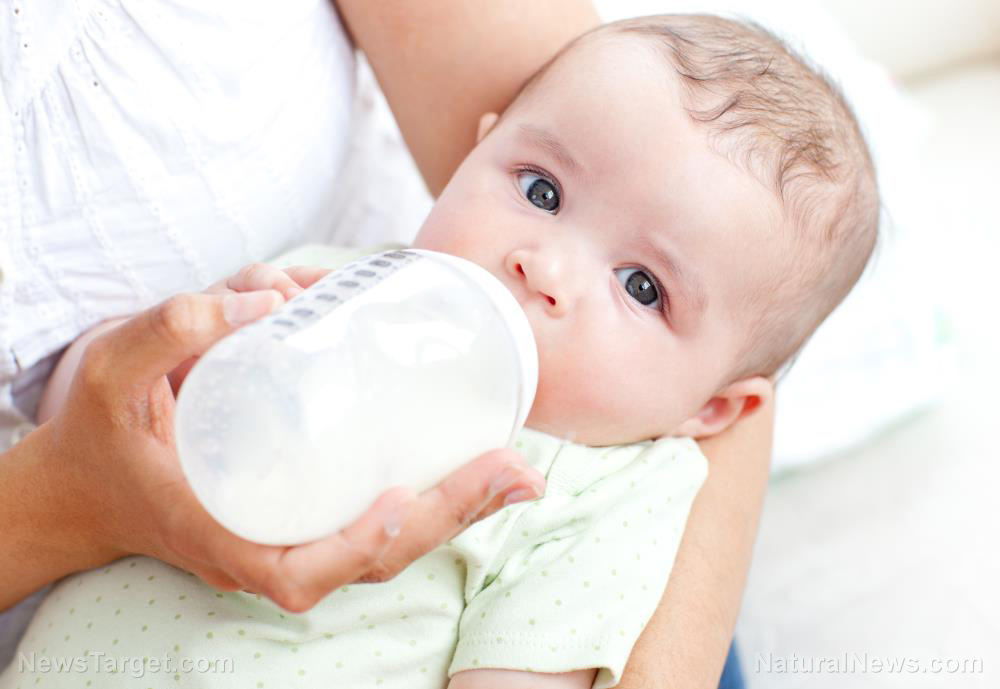
A silent, invisible crisis is unfolding in the most vulnerable corners of human life: newborns, infants, and even breast milk are now contaminated with synthetic “forever chemicals” known as PFAS. These compounds, used in thousands of products from nonstick cookware to waterproof fabrics, are now detectable in nearly all humans and wildlife worldwide – and a growing body of evidence ties PFAS exposure to severe health consequences, from immune dysfunction and cancer to developmental delays in children.
A global contamination crisis
PFAS, or per- and polyfluoroalkyl substances, are a class of more than 12,000 chemicals that resist degradation and accumulate in the human body and environment. A groundbreaking study by Toxic-Free Future and partners found PFAS levels in breast milk samples from 50 U.S. women up to 2,000 times higher than federal drinking water “safe” limits. “We shouldn’t be finding any PFAS in breast milk and our findings make it clear that broader phaseouts are needed to protect babies and young children during the most vulnerable stages of life,” said Erika Schreder, science director at Toxic-Free Future.
The problem is global. Research from the European Union and the U.S. reveals PFAS concentrations in breast milk doubling every four years. A 2026 Mount Sinai study of umbilical cord blood from 120 babies found 42 PFAS compounds, including newer variants not previously studied.
“How we measure PFAS really matters,” said Shelley H. Liu, lead author of the study. “Babies are exposed to far more PFAS before birth than we previously realized.”
A health toll impacting people of all ages
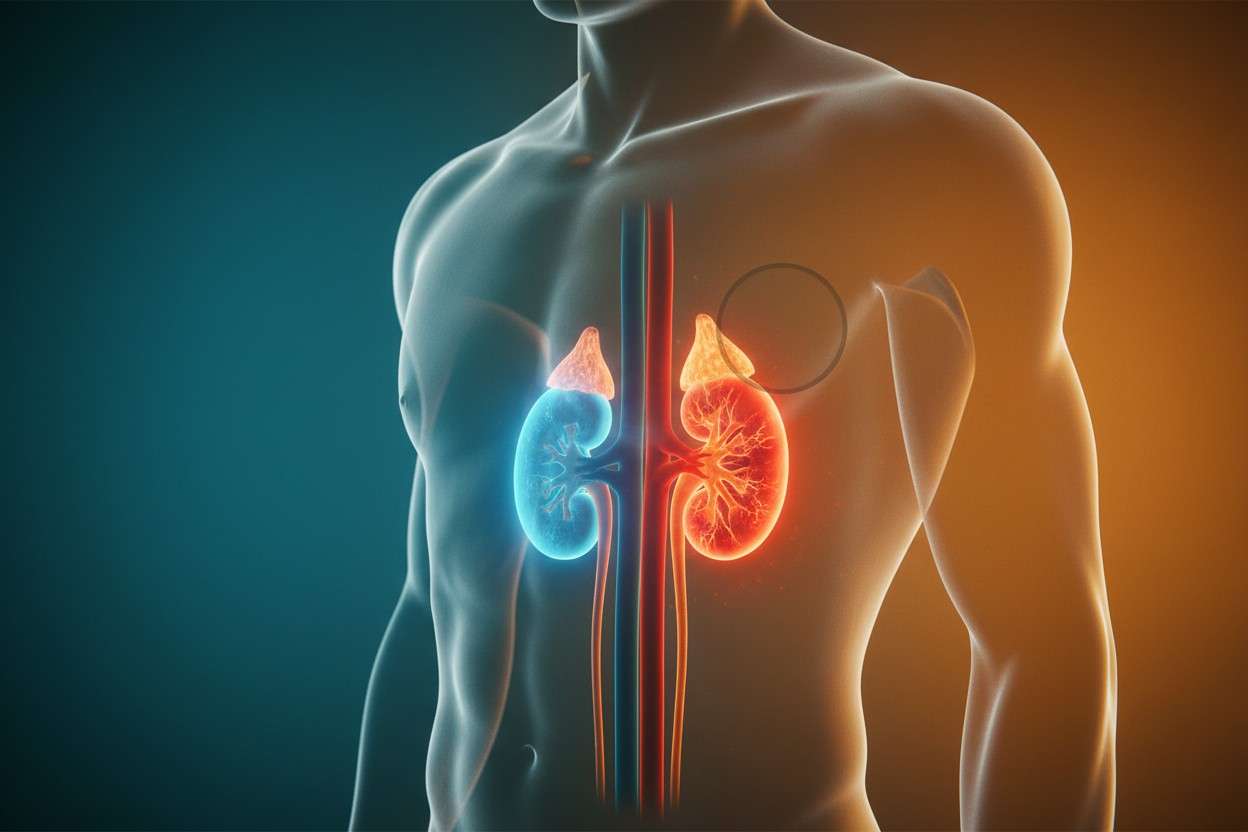
PFAS exposure disrupts critical biological systems. The American College of Obstetricians and Gynecologists has flagged prenatal PFAS exposure as a “critical area of intervention,” linking it to low birth weight, preterm birth, and weakened immune responses. A 2025 Mount Sinai study of 180 adults recently diagnosed with Type 2 diabetes, compared against 180 matched participants who remained diabetes-free, found that each incremental rise in PFAS exposure was linked to a 31 percent increased risk of developing the disease.
“PFAS are synthetic chemicals that resist heat, oil, water, and stains, and are found in countless everyday consumer products,” said lead researcher Vishal Midya, PhD, of the Icahn School of Medicine at Mount Sinai. “Our study is one of the first to examine how these chemicals may disrupt the body’s metabolism in ways that increase diabetes risk — particularly in diverse US populations.”
The risks extend beyond infants. PFAS have been linked to thyroid dysfunction, liver damage, and hormone-related cancers. A 2021 study of 50 breast milk samples found PFAS levels ranging from 52 to 500-plus parts per trillion, far exceeding drinking water thresholds.
A series of regulatory failures
Despite the evidence, regulatory action lags. The U.S. Environmental Protection Agency (EPA) has finalized drinking water limits for only two PFAS (PFOA and PFOS), while thousands remain unregulated. The Trump administration’s efforts to roll back standards for other PFAS have left millions of Americans at risk. Meanwhile, the EU has initiated a ban on PFAS where alternatives exist, and Washington state legislators are phasing out these chemicals.
Laurie Valeriano of Toxic-Free Future argues, “”If a harmful chemical can end up in breast milk due to its persistence or ability to bioaccumulate, it should be prohibited in everyday products we are constantly exposed to.” Advocates urge policymakers to follow Washington’s lead and enact class-wide PFAS bans. Consumers can reduce exposure by avoiding nonstick cookware, stain-resistant fabrics, and products labeled “waterproof” or “stain-resistant.”
The presence of PFAS in breast milk and newborns is a public health emergency. These chemicals, designed for durability, are now poisoning the very foundation of human life. As researchers like Dr. Liu emphasize, “Understanding the full picture is essential if we want to protect child health and reduce preventable environmental risks.” The time for half-measures is over. Without comprehensive bans and safer alternatives, the next generation will inherit a world where “forever chemicals” are forever part of their biology.
Sources for this article include:
Submit a correction >>
Tagged Under:
breast milk, chemical violence, Dangerous, Ecology, environment, infant's health, Infants, PFAS, poison, real investigations, toxic chemicals, toxic ingredients, toxins, truth, women's health
This article may contain statements that reflect the opinion of the author
RECENT NEWS & ARTICLES