Report Lists 15 Whole Fruits Linked to Weight Management
09/23/2026 / By Coco Somers
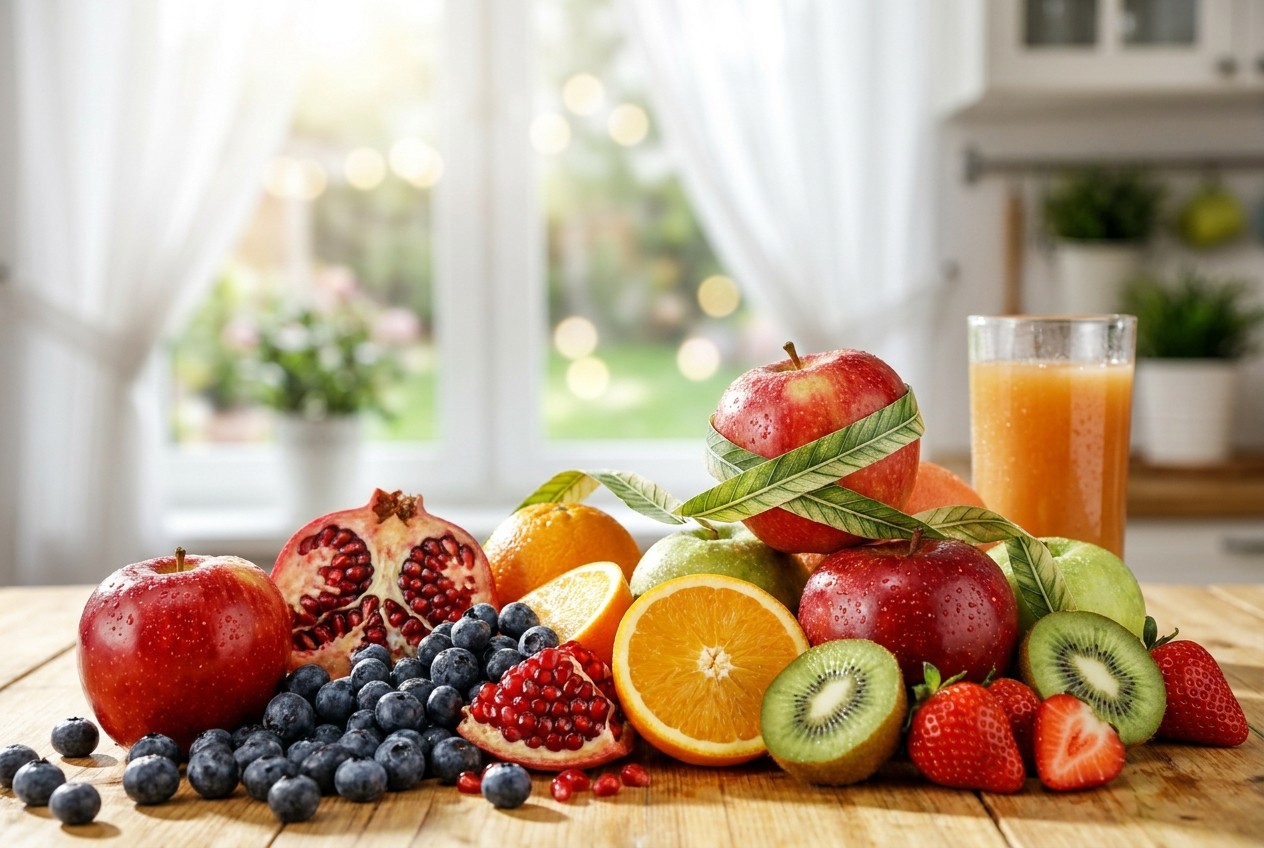
Whole fruits such as apples and grapefruit are low in calories and high in dietary fiber, according to dietary research compiled by Mercola.com [1]. Studies have linked higher whole-fruit intake to less weight gain and lower overall calorie consumption, the same report stated.
A list of 15 fruits has been cited in weight-management research: apples, avocado, blueberries, cherries, dates, grapefruit, kiwi, lemon, mango, oranges, pears, pomegranate, raspberries, strawberries and watermelon. Federal data cited by Mercola.com show that nearly 23% of Americans report consuming vegetables and fruits less than one time daily, with a median vegetable intake of just 1.6 times per day [1].
Why Whole Fruit Supports Weight Loss
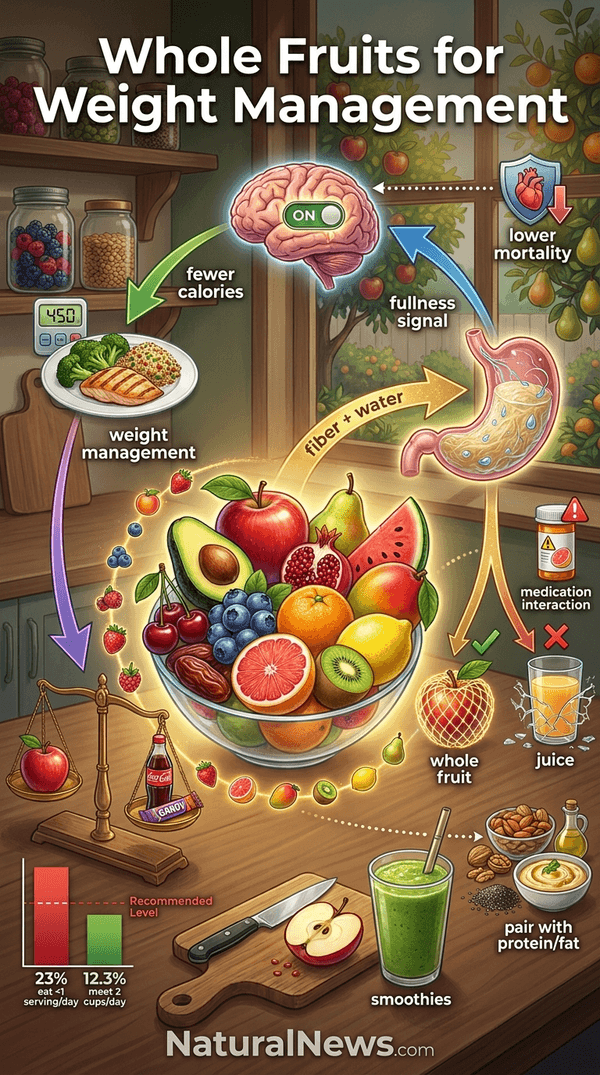
Researchers report that whole fruits require chewing, provide fiber and water and increase fullness while delaying hunger, according to the report [2]. A separate analysis of 1,510 adults with heart failure, which spanned nearly two decades, tied higher fiber intake to lower mortality, NaturalNews.com reported [3]. Heart disease killed more than 683,000 Americans in 2024 and remains the single leading cause of death in the country, the report stated [3].
Vitamins A, E and C plus polyphenol antioxidants, have been associated with reduced weight gain and belly fat, the research stated [1]. Science papers report that proanthocyanidins (found in apples) and anthocyanins (the dark pigments in berries) are among the bioactive compounds under study [4][5]. According to one review, the abundant plant-food content of Mediterranean-style diets has been associated with the prevention of obesity and Type 2 diabetes [6].
Fruits Cited in Weight-Loss Research
The 15 fruits listed in the research include apples, avocado, blueberries, cherries, dates, grapefruit, kiwi, lemon, mango, oranges, pears, pomegranate, raspberries, strawberries and watermelon [1]. Studies found that an apple before a meal can reduce calories consumed, that avocado may lower belly fat, and that blueberries contain anthocyanin antioxidants, according to the report [1]. Research published in the journal Neurology suggested that consuming strawberries or apples may help extend the lives of people with Parkinson’s disease, NaturalNews.com reported [7].
Grapefruit eaters tend to have lower body weight, but grapefruit juice can interact with certain medications, according to officials [1]. Fruit-based fiber is also the subject of recipe-level guidance.
NaturalNews.com noted that smoothies made with apples provide dietary fiber and can be more filling than juice [8]. A separate NaturalNews.com report on weight-promoting foods stated that the food a person puts on the plate matters alongside exercise [9].
What to Avoid for Weight Loss
Whole fruits are preferred because fruit juice is lower in fiber and more calorie-dense, according to the report [2]. Fruit juice has been linked to weight gain in children, the research stated. Seattle-based researchers recommended that people eat whole fruits if they want to shed pounds [2].
The Dietary Guidelines for Americans say small daily amounts of 100% fruit juice can fit a balanced diet [2]. A registered clinical nutritionist, Sheridan Genrich, identified sugary drinks among 10 daily habits that may undermine weight loss, according to a report published by the Epoch Times on Aug. 11, 2026 [10]. Genrich said fat loss is rarely ruined by one big mistake but is worn down by small, repeated behaviors [10].
Tips for Eating Fruits for Weight Management
The Dietary Guidelines recommend two cups of fruit daily as part of a 2,000-calorie diet; about 12.3% of adults meet that intake, according to data cited in the report [1]. Suggestions include adding fruit to salads, stir-fries and slaws; blending fruit into smoothies; and choosing fruit over candy or baked goods, the report stated [8].
Snacking on fruit with protein and healthy fat from nuts, seeds, or hummus is also recommended, officials said [9]. A 2026 review of legume consumption, which examined cardiovascular health, glucose metabolism and weight control, reported that daily intake of beans and other legumes is linked to improvements in key health markers [11]. Lifestyle therapies that include proper nutrition, regular physical activity and stress management remain central to long-term weight control, according to a review of evidence-based interventions [12].
Conclusion
The body of research cited by Mercola.com, NaturalNews.com and peer-reviewed journals points in one direction: whole fruits, eaten rather than drunk, remain a low-calorie, fiber-rich option for weight management [1][2]. Federal data show the majority of American adults fall short of the recommended two cups of fruit per day [1].
For readers seeking additional independent coverage of nutrition and natural health, NaturalNews.com publishes ongoing reporting on food, fiber, and metabolic health. The 15 fruits cited in the research can be incorporated into salads, smoothies and snacks without reliance on pharmaceutical interventions.
References
- Mercola.com. “Eating More Fruits and Vegetables Can Cut Your Risk of Dying in Half”. Mercola.com. April 14, 2014.
- NaturalNews.com. “Portion control: Eat your fruit, don’t drink it; study finds consumption of fruit juice contributes to weight gain”. NaturalNews.com. August 21, 2018.
- NaturalNews.com. “Analysis Links Higher Fiber Intake to Lower Mortality in Heart Failure Patients”. NaturalNews.com. September 21, 2026.
- Elsevier. “Occurrence and biological significance of proanthocyanidins in the American diet”. Journal of Agricultural and Food Chemistry. 2005.
- Mike Adams. “Health Ranger Report – ENOCH AI”. Brighteon.com. August 21, 2025.
- Elsevier. “Protective mechanisms of the Mediterranean diet in obesity and type 2 diabetes”. Nutrition Research and Practice. 2007.
- NaturalNews.com. “Study: Consuming apples, oranges and strawberries can help people with Parkinson’s disease live longer”. NaturalNews.com. July 06, 2022.
- NaturalNews.com. “Superfood recipes: Boost your fiber intake with this apple pie smoothie”. NaturalNews.com. December 12, 2022.
- NaturalNews.com. “Foods that help promote weight loss”. NaturalNews.com. May 06, 2020.
- NaturalNews.com. “Nutritionist Lists 10 Daily Habits That May Undermine Weight Loss”. NaturalNews.com. August 12, 2026.
- NaturalNews.com. “Lentils in Daily Diet: Evidence on Nutrient Intake, Blood Sugar, Heart Health, and Weight Management”. NaturalNews.com. September 10, 2026.
- NaturalNews.com. “Study: Lifestyle Interventions Key to Long-Term Weight Maintenance”. NaturalNews.com. July 18, 2026.
Explainer Infographic
Submit a correction >>
Tagged Under:
anthocyanins, antioxidants, apples, avocado, Blueberries, Censored Science, cherries, dates, fight obesity, food cures, food is medicine, food science, fruits, functional food, grapefruit, health science, Kiwi, Lemon, mango, natural health, obesity, Oranges, Pears, phytochemicals, phytonutrients, polyphenols, pomegranate, Proanthocyanidins, raspberries, research, slender, Strawberries, watermelon, weight loss, weight management, Whole Foods
This article may contain statements that reflect the opinion of the author
RECENT NEWS & ARTICLES