Scientists discover bacterial sugar as key target to combat deadly superbugs
02/15/2026 / By Belle Carter
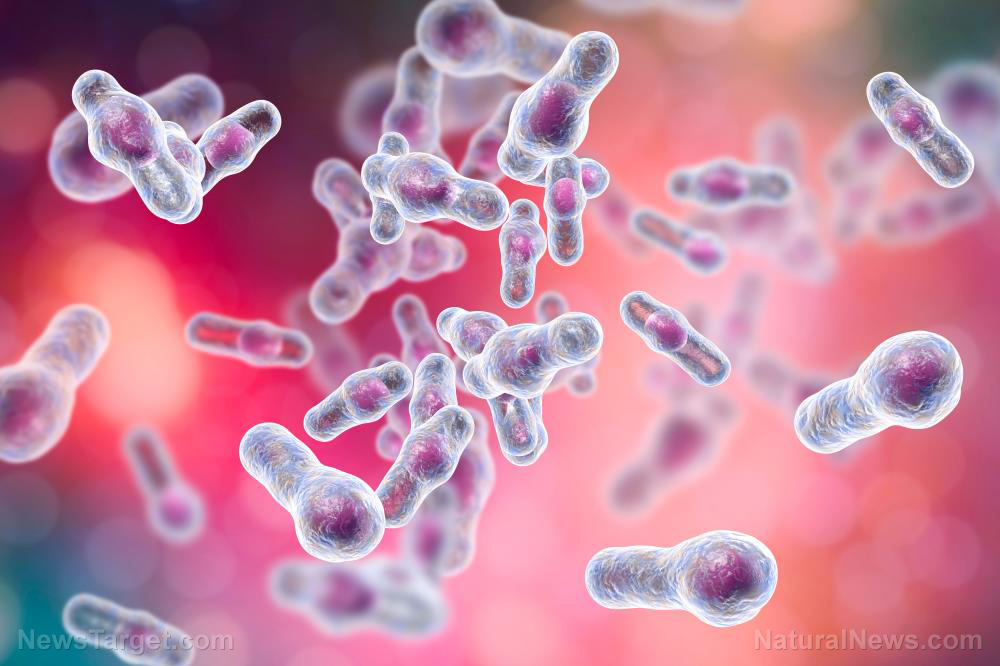
- Australian researchers developed antibodies targeting pseudaminic acid, a sugar molecule unique to bacterial cells, offering a precise way to combat antibiotic-resistant infections without harming human cells.
- The treatment successfully eradicated drug-resistant Acinetobacter baumannii in mice, a WHO-listed “critical priority” pathogen responsible for deadly hospital-acquired infections.
- By synthesizing bacterial sugars in the lab, scientists engineered pan-specific antibodies that bind tightly to bacterial surfaces, enabling highly targeted immune responses.
- Unlike traditional antibiotics, this method delivers pre-made antibodies to neutralize infections quickly, offering both treatment and prevention for high-risk patients.
- Researchers aim to develop this into clinical treatments within five years, with broader applications against other ESKAPE pathogens that evade conventional antibiotics.
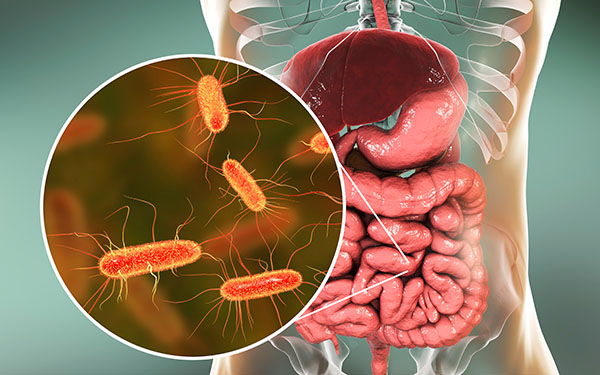
Researchers in Australia have uncovered a novel strategy to fight antibiotic-resistant superbugs by targeting a sugar molecule found exclusively on bacterial cells. The breakthrough, published in Nature Chemical Biology, could pave the way for a new generation of immunotherapies to combat infections that currently evade conventional antibiotics.
Led by Professor Richard Payne of the University of Sydney, alongside Professor Ethan Goddard-Borger at WEHI and Associate Professor Nichollas Scott from the University of Melbourne, the team engineered antibodies that lock onto pseudaminic acid, a sugar unique to bacteria. This approach successfully eliminated drug-resistant Acinetobacter baumannii, a notorious hospital-acquired pathogen, in mice, offering hope for future clinical applications.
“A. baumannii is a gram-negative bacterium commonly found in soil and water, responsible for 80% of Acinetobacter infections and notoriously difficult to treat,” BrightU.AI‘s Enoch adds.
A unique weakness in bacterial armor
Unlike human cells, many dangerous bacteria produce pseudaminic acid as part of their outer surface, helping them evade immune detection. Because this sugar does not exist in the human body, it presents a highly specific target for immunotherapy – one that minimizes collateral damage to healthy cells.
To exploit this vulnerability, the researchers first synthesized the bacterial sugar in the lab, allowing them to study its precise molecular structure. Using this data, they developed a “pan-specific” antibody capable of recognizing the sugar across multiple bacterial strains.
“By precisely building these bacterial sugars in the lab with synthetic chemistry, we were able to understand their shape at the molecular level and develop antibodies that bind them with high specificity,” said Payne. “That opens the door to new ways of treating some devastating drug-resistant bacterial infections.”
A potential lifeline against hospital superbugs
Multidrug-resistant A. baumannii is classified by the World Health Organization (WHO) as a “critical priority” pathogen, notorious for causing pneumonia, bloodstream infections and wound complications—particularly in intensive care units. With last-resort antibiotics increasingly failing, the need for alternative treatments has never been more urgent.
The team’s antibody-based approach falls under passive immunotherapy, where pre-made antibodies are administered to rapidly neutralize infections rather than relying on the patient’s immune system to mount a response. This method could be used both to treat active infections and to protect high-risk patients before exposure.
“Multidrug-resistant A. baumannii is a critical threat faced in modern healthcare facilities across the globe,” said Goddard-Borger. “Our work serves as a powerful proof-of-concept experiment that opens the door to the development of new life-saving passive immunotherapies.”
From lab to clinic: The road ahead
The next phase involves translating these findings into clinical treatments within the next five years. Success would mark a major victory against A. baumannii, one of the so-called ESKAPE pathogens alongside Enterococcus faecium, Staphylococcus aureus, Klebsiella pneumoniae, Pseudomonas aeruginosa and Enterobacter species that evade antibiotics and drive deadly hospital outbreaks.
Scott emphasized that the antibodies also provide a valuable research tool. “These sugars are central to bacterial virulence, but they’ve been very hard to study,” he said. “Having antibodies that can selectively recognize them lets us map where they appear and how they change across different pathogens. That knowledge feeds directly into better diagnostics and therapies.”
A new era in the fight against superbugs
The discovery arrives at a critical juncture in global health. Pharmaceutical companies have largely abandoned antibiotic development due to low profitability, leaving humanity vulnerable to a growing wave of drug-resistant infections. Meanwhile, natural remedies, such as concentrated sugars in wound care, have long demonstrated antimicrobial properties, reinforcing the potential of alternative approaches.
As antibiotic resistance escalates, innovations like this antibody therapy could shift the paradigm from chemical antibiotics to precision immune-based treatments. The newly established Australian Research Council Centre of Excellence for Advanced Peptide and Protein Engineering, led by Payne, aims to accelerate such breakthroughs.
“This is exactly the kind of breakthrough the new ARC Centre of Excellence is designed to enable,” Payne said. “Our goal is to turn fundamental molecular insight into real-world solutions that protect the most vulnerable people in our healthcare system.”
With further development, this research could offer a lifeline against some of the deadliest superbugs—proving that even in the age of antibiotic resistance, science continues to find new ways to fight back.
Watch the video below that talks about natural antibiotics that kill superbugs.
This video is from the Natural News channel on Brighteon.com.
Sources include:
Submit a correction >>
Tagged Under:
acinetobacter baumannii, Antibiotics, bacteria, bacterial sugar, Big Pharma, Dangerous, ESKAPE, health science, hospital outbreaks, immune system, infections, natural cures, natural health, pathogens, pseudaminic acid, remedies, research, science, superbugs, WHO
This article may contain statements that reflect the opinion of the author