10 Natural ways to balance your hormones
02/17/2026 / By Laura Harris
- Persistent fatigue, mood swings, weight changes, brain fog or irregular periods may signal a hormonal imbalance, as hormones regulate metabolism, mood, sleep, appetite and reproductive health.
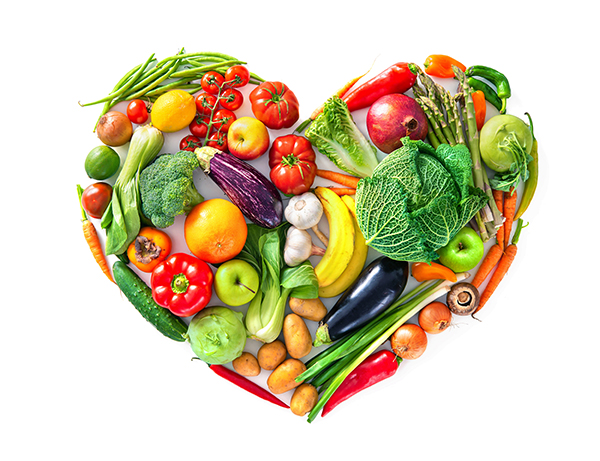
- A nutrient-dense diet rich in healthy fats, fiber, quality protein and cruciferous vegetables helps stabilize blood sugar, reduce inflammation and support hormone production.
- Managing stress, prioritizing seven to nine hours of quality sleep and exercising regularly (without overtraining) are essential for balancing cortisol, insulin and reproductive hormones.
- Supporting gut health, reducing sugar and refined carbs, staying hydrated and limiting exposure to endocrine-disrupting chemicals can improve hormonal signaling and reduce inflammation.
- Supplements such as vitamin D, magnesium and omega-3s may help when medically appropriate, but sustainable lifestyle habits and maintaining a healthy weight remain the foundation of long-term hormonal balance.
Do you feel constantly tired despite getting enough rest? Struggling with unexplained weight changes, mood swings, brain fog or irregular periods? These symptoms are often brushed off as stress or “just getting older,” but they can also signal a hormonal imbalance.
Hormones are powerful chemical messengers that regulate nearly every major system in your body – from metabolism and appetite to mood, sleep, reproductive health and stress response. When they’re in sync, you feel energized and steady. When they’re not, the effects can ripple through your entire life.
While medication is sometimes necessary, many people can significantly improve hormone balance through natural, sustainable lifestyle changes.
Here are 10 evidence-informed, practical ways to support your hormonal health.
Eat a balanced, nutrient-dense diet
Food provides the building blocks for hormone production. Prioritizing whole, minimally processed foods can stabilize blood sugar and reduce inflammation — two key factors in hormonal balance.
Focus on:
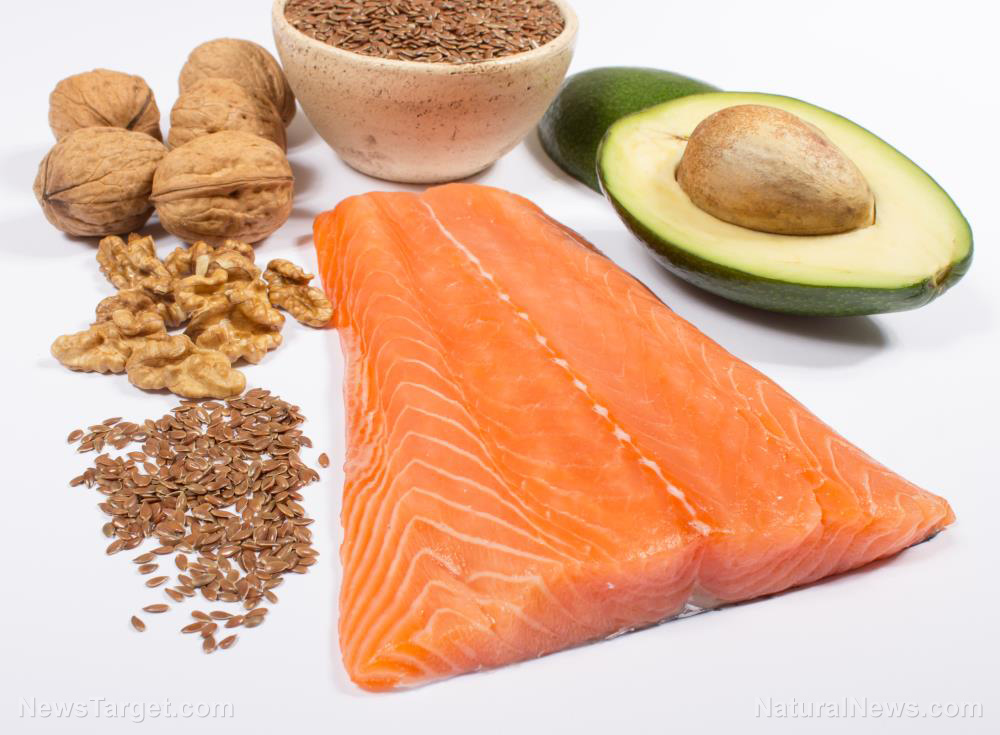
- Healthy fats: Avocados, nuts, seeds, olive oil and fatty fish provide essential fatty acids that support hormone synthesis. Omega-3s, in particular, help reduce inflammation.
- Fiber-rich foods: Vegetables, fruits, legumes and whole grains help regulate blood sugar and support estrogen detoxification through the digestive system.
- Quality protein: Eggs, fish, tofu, beans and lean meats provide amino acids necessary for hormone production and help stabilize appetite-regulating hormones.
- Cruciferous vegetables: Broccoli, kale, Brussels sprouts and cauliflower contain compounds that support estrogen metabolism.
A steady blood sugar pattern is foundational to balanced hormones – avoid extreme dieting or skipping meals.
Manage stress effectively
Chronic stress triggers the release of cortisol, your primary stress hormone. When cortisol remains elevated, it can disrupt thyroid hormones, reproductive hormones (like estrogen and progesterone) and even insulin.
Stress-reducing strategies include:
- Meditation or mindfulness practices
- Deep breathing exercises (e.g., inhale for four counts, exhale for six)
- Gentle yoga or stretching
- Spending time in nature
- Limiting over-commitment and prioritizing rest
- Reducing chronic stress is one of the most powerful steps you can take for hormone balance.
Prioritize quality sleep
Sleep regulates hormones that control hunger (leptin and ghrelin), stress (cortisol), metabolism (insulin) and reproductive health.
Poor sleep can:
- Increase cravings
- Elevate cortisol
- Disrupt menstrual cycles
- Slow metabolism
For better sleep:
- Aim for seven to nine hours nightly.
- Keep a consistent sleep schedule.
- Make your bedroom cool, dark and quiet.
- Limit screen time one to two hours before bed to support melatonin production.
Sleep is not optional – it’s a cornerstone of hormonal health.
Exercise regularly (but not excessively)
Movement improves insulin sensitivity, reduces stress hormones and boosts mood-enhancing endorphins.
A balanced routine may include:
- Strength training to support metabolic and testosterone balance.
- Moderate cardio like brisk walking, cycling or swimming.
- Yoga or Pilates to reduce stress and improve flexibility.
- High-Intensity Interval Training (HIIT) in moderation for metabolic support.
Overtraining, however, can raise cortisol levels – rest days are just as important as workouts.
Support your gut health
Your gut plays a major role in hormone regulation. In fact, the “estrobolome,” a collection of gut bacteria, helps metabolize estrogen.
To improve gut health:
- Eat fermented foods like yogurt, kefir, kimchi or sauerkraut.
- Include prebiotic foods such as garlic, onions, asparagus and bananas.
- Reduce ultra-processed foods and excess sugar.
- Eat a diverse range of plant foods to support microbial diversity.
A healthy gut reduces inflammation and supports better hormonal signaling.
Reduce sugar and refined carbohydrates
Frequent blood sugar spikes can increase insulin levels, leading to hormone imbalances that affect weight, mood and energy.
Instead of sugary snacks, choose:
- Whole fruits
- Nuts and seeds
- Hummus with vegetables
- Greek yogurt with berries
- Stable blood sugar supports balanced cortisol, insulin, and reproductive hormones.
Stay hydrated
Even mild dehydration can impact energy, mood and metabolic function.
To stay hydrated:
- Aim for adequate daily water intake (needs vary by body size and activity).
- Include herbal teas like chamomile or peppermint.
- Increase fluids during exercise or hot weather.
Proper hydration supports cellular communication, including hormonal signaling.
Limit exposure to endocrine disruptors
Certain environmental chemicals can interfere with hormone function. While it’s impossible to avoid them entirely, you can reduce exposure by:
- Using glass or stainless steel instead of plastic for food storage.
- Avoiding microwaving food in plastic containers.
- Choosing fragrance-free or naturally scented personal care products.
- Washing produce thoroughly or choosing organic when possible.
Small changes can reduce cumulative exposure over time.
Consider supplements carefully
Supplements may help in some cases, but they should never replace a healthy diet, and medical guidance is important.
Common supplements that support hormonal health include:
- Vitamin D (important for immune and hormone regulation)
- Magnesium (supports relaxation and cortisol balance)
- Omega-3 fatty acids
- Adaptogenic herbs like ashwagandha or rhodiola (for stress support)
Always consult a healthcare provider before starting supplements, especially if you have medical conditions or take medications.
Maintain a healthy, sustainable weight
Excess body fat, particularly around the abdomen, can influence estrogen, insulin and cortisol levels.
Instead of crash dieting:
- Practice portion awareness.
- Eat balanced meals.
- Build muscle through strength training.
- Focus on long-term habits rather than quick fixes.
Sustainable lifestyle changes are far more effective than restrictive diets.
The bottom line
Balancing your hormones naturally requires a whole-body approach. Nutrition, sleep, stress management, movement and environmental awareness all work together to create internal harmony.
According to BrightU.AI‘s Enoch, by adopting these natural, sustainable practices, you can take control of your hormonal health and well-being, reducing the need for harmful pharmaceutical interventions and supporting your body’s innate ability to heal and balance itself. Embrace the power of nature and personal responsibility to live a healthier, more vibrant life.
Small, consistent changes can make a powerful difference.
Learn how to easily kick-start a healthy lifestyle fast by watching this video.
This video is from the Daily Videos channel on Brighteon.com.
Sources include:
Submit a correction >>
Tagged Under:
diet, food intake, good food, healthy lifestyle, hormonal imbalance, hormones, irregular periods, lifestyle changes, mood swings, natural strategies, regular periods, reproductive system
This article may contain statements that reflect the opinion of the author