Fermented cabbage outperforms probiotic pills in gut health study
03/03/2026 / By Belle Carter
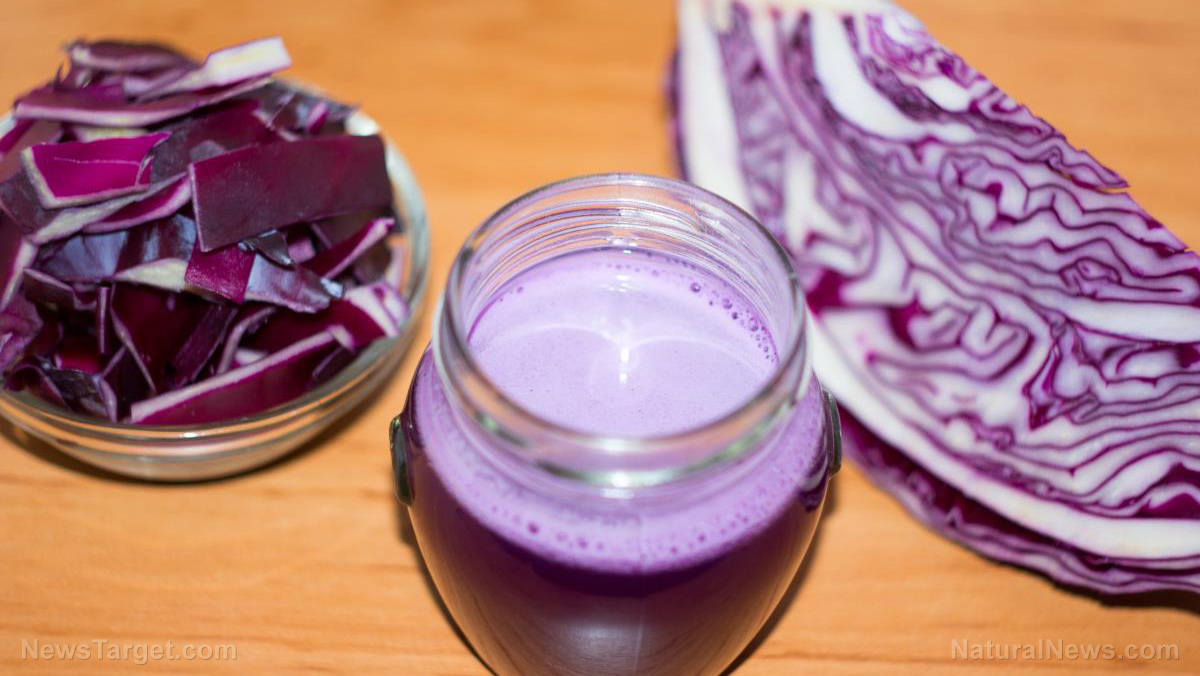
- Fermented cabbage outperforms raw cabbage and probiotic supplements, reducing intestinal barrier damage by 40% due to its unique blend of lactic acid, GABA and indole-3-lactate (ILA) – compounds that mimic a healthy gut microbiome.
- Modern diets destroy gut health through processed foods, glyphosate, antibiotics and artificial additives, while fermented foods like sauerkraut provide a natural, cost-effective solution with prebiotics, probiotics and postbiotics.
- Commercial probiotics often fail because they lack diversity, skip postbiotics and may not survive digestion, whereas fermented cabbage delivers live cultures, prebiotic fiber and anti-inflammatory postbiotics.
- Fermented cabbage supports mental health through the gut-brain axis, with GABA content helping to reduce anxiety and depression, aligning with historical reports of lower mental health issues in cultures consuming fermented foods.
- Traditional fermentation methods surpass lab-engineered supplements, offering a holistic, affordable and proven way to combat leaky gut, autoimmune disorders and metabolic diseases – reinforcing the wisdom of ancestral diets.
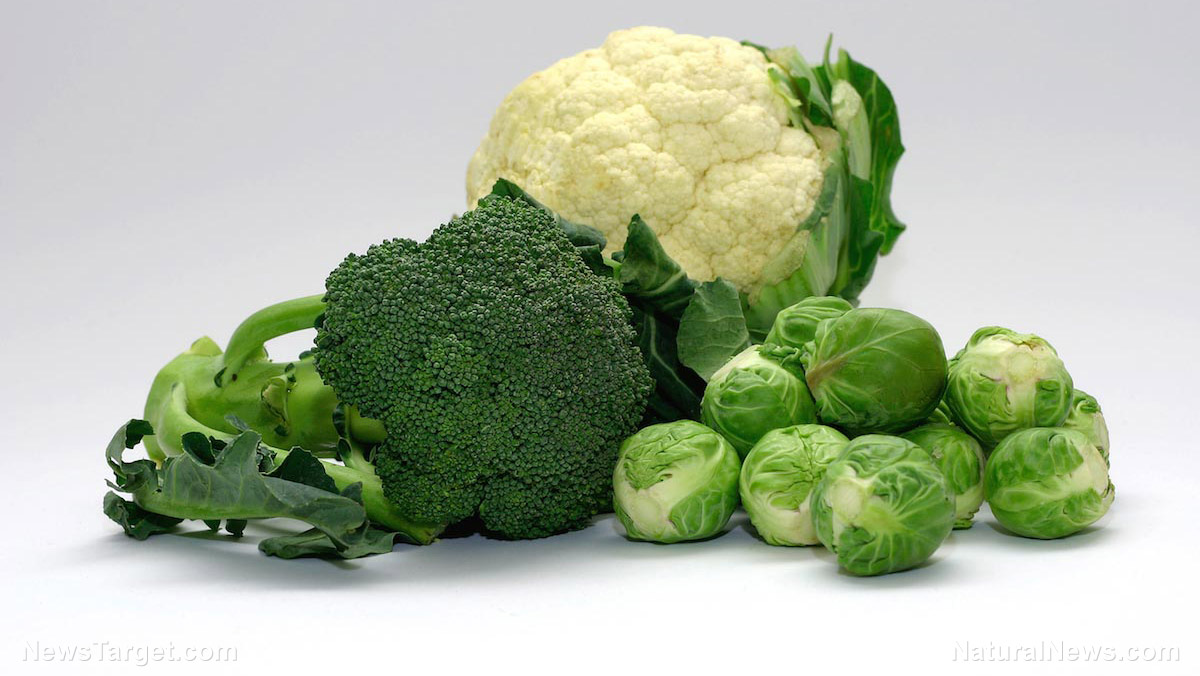
In an era where gut health is increasingly linked to chronic disease, autoimmune disorders and mental well-being, a new study confirms what traditional cultures have known for centuries: fermented cabbage, like sauerkraut, may be one of the most effective, affordable tools for repairing a damaged gut.
Researchers found that fermented cabbage reduces intestinal barrier damage by 40%, outperforming raw cabbage and even probiotic supplements. The findings, published in a peer-reviewed study, highlight how modern diets—laden with processed foods, pesticides and antibiotics – have eroded gut resilience, making fermented foods more critical than ever.
The study revealed that fermented cabbage contains a unique blend of lactic acid, GABA (gamma-aminobutyric acid) and indole-3-lactate (ILA) – compounds that mimic those produced by a healthy gut microbiome. Unlike commercial probiotics, which often isolate single bacterial strains, fermented cabbage delivers a full spectrum of prebiotics, probiotics and postbiotics – a trifecta that lab-made supplements struggle to replicate.
“Fermentation unlocks bioactive compounds that directly support the gut barrier,” the researchers noted. “This isn’t about one ‘magic’ microbe – it’s the synergy of the entire fermentation process that makes the difference.”
The implications are profound. A compromised gut barrier, often called “leaky gut,” has been linked to bloating, food sensitivities, metabolic disorders and autoimmune diseases. By strengthening this barrier, fermented cabbage may help prevent these conditions before they start.
BrightU.AI‘s Enoch explains: “Leaky gut syndrome is a condition where the intestinal lining becomes permeable, allowing toxins, bacteria and undigested food particles to leak into the bloodstream, triggering inflammation, autoimmune reactions and chronic illness.”
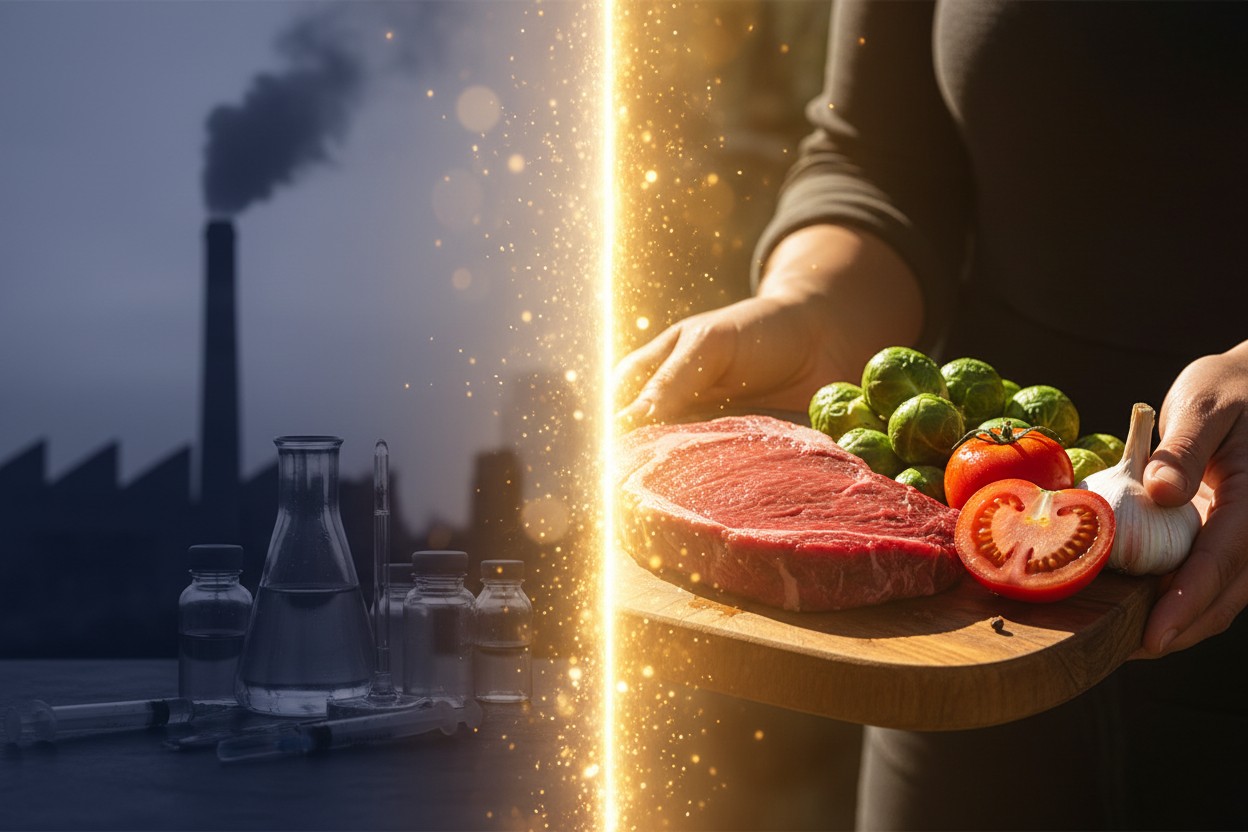
Why modern diets are destroying gut health and how fermented foods fight back
Industrialized food systems have decimated gut microbiomes through:
- Processed foods stripped of fiber and nutrients
- Glyphosate-laden crops, which disrupt gut bacteria
- Overuse of antibiotics—wiping out beneficial microbes
- Artificial additives and preservatives, which can inflame the gut lining
Historically, fermented foods like sauerkraut, kimchi and kefir were dietary staples, providing natural preservation and gut-supportive compounds. But as processed foods dominated shelves, these traditional remedies faded—just as chronic gut-related illnesses surged.
“Big Pharma races to patent synthetic versions of these gut-healing compounds,” the study authors observed, “while traditional ferments offer them naturally, at a fraction of the cost.”
Fermented cabbage vs. probiotic pills: Why whole foods win
Commercial probiotics often fail because they:
- Lack diversity—most contain only a handful of strains
- Skip postbiotics, the critical byproducts of fermentation
- Die before reaching the gut due to poor formulation or stomach acid
Fermented cabbage, by contrast, delivers:
- Live, active cultures adapted to survive digestion
- Prebiotic fiber to feed beneficial bacteria
- Postbiotics like lactic acid, which reduce inflammation
“The study confirms that traditional fermentation methods, not lab-engineered supplements, hold the key to optimal gut health,” the researchers concluded.
The gut-brain connection: Mental health benefits
Emerging research shows that gut health directly impacts mental well-being through the gut-brain axis. Fermented cabbage’s GABA content, a neurotransmitter that calms the nervous system, may explain why cultures consuming fermented foods historically reported lower anxiety and depression rates.
“A healthy gut doesn’t just mean better digestion – it means a sharper mind and balanced mood,” the study noted.
As modern medicine grapples with skyrocketing autoimmune and metabolic disorders, this study underscores a timeless truth: some of the best remedies were right in our ancestors’ kitchens. Fermented cabbage isn’t just a trendy superfood – it’s a proven, cost-effective and holistic solution for rebuilding gut health in an increasingly toxic world.
For those seeking resilience against today’s dietary assaults, the answer may lie not in a pill, but in a jar of properly fermented, probiotic-rich sauerkraut.
Watch the video below that talks about artificial probiotics that destroy your gut health.
This video is from The 100% Clean Food Lifestyle channel on Brighteon.com.
Sources include:
Submit a correction >>
Tagged Under:
cabbage, Cures, digestion, fermentation, food is medicine, food science, GABA, grocery cures, gut health, gut microbiome, healing, ILA, lactic acid, leaky gut, longevity, mental, mind body science, natural medicine, plant medicine, postbiotics, prebiotics, prevention, probiotics, remedies, Veggies
This article may contain statements that reflect the opinion of the author
RECENT NEWS & ARTICLES