When lotion isn’t enough: Try these foods to hydrate skin from within
03/05/2026 / By Willow Tohi

- Chronic dry skin is often linked to internal factors like dehydration, nutrient deficiencies and stress, not just external weather.
- Topical moisturizers primarily hydrate the skin’s surface, while internal nourishment supports the deeper layers and natural moisture barrier.
- Key nutrients for skin hydration include omega-3 fatty acids, vitamins C and E, and collagen-supporting minerals like copper and zinc.
- Foods like fatty fish, avocados, sweet potatoes and bone broth provide essential compounds that improve skin elasticity and moisture retention.
- A strategic dietary approach, emphasizing hydration and specific nutrients, offers a sustainable, foundational method for achieving supple skin.
The internal quest for supple skin
As winter tightens its grip, millions reach for thicker creams and richer lotions, battling the seasonal curse of dry, flaky skin. Yet, for many, the relief these topical solutions provide is frustratingly temporary. Emerging nutritional science suggests the answer may lie not in the medicine cabinet, but in the kitchen. A growing body of research indicates that chronic dry skin is frequently a symptom of internal imbalances—dehydration, nutrient deficiencies and stress—making dietary strategy a critical, yet often overlooked, component of skin health. This paradigm shift moves the focus from merely coating the skin to fundamentally nourishing it from within, offering a more sustainable path to resilience and radiance.
The hidden culprits behind chronic dryness
While cold, dry air is an undeniable irritant, dermatological research points to several systemic factors that compromise the skin’s ability to retain moisture. Chronic dehydration is a primary offender; when the body lacks sufficient water, the skin becomes less elastic and more susceptible to damage. Equally critical is a deficit of healthy fats, particularly omega-3 fatty acids, which are essential for regulating the skin’s natural oil production and maintaining its lipid barrier. Furthermore, the skin acts as an immediate stress perceiver, with stress hormones directly triggering dryness and inflammation. Finally, deficiencies in key vitamins and minerals—most notably vitamin C for collagen synthesis and vitamin E for barrier protection—can rapidly degrade skin suppleness, leaving topical treatments to address only the surface of a deeper problem.
Nutritional architecture: Building a resilient moisture barrier
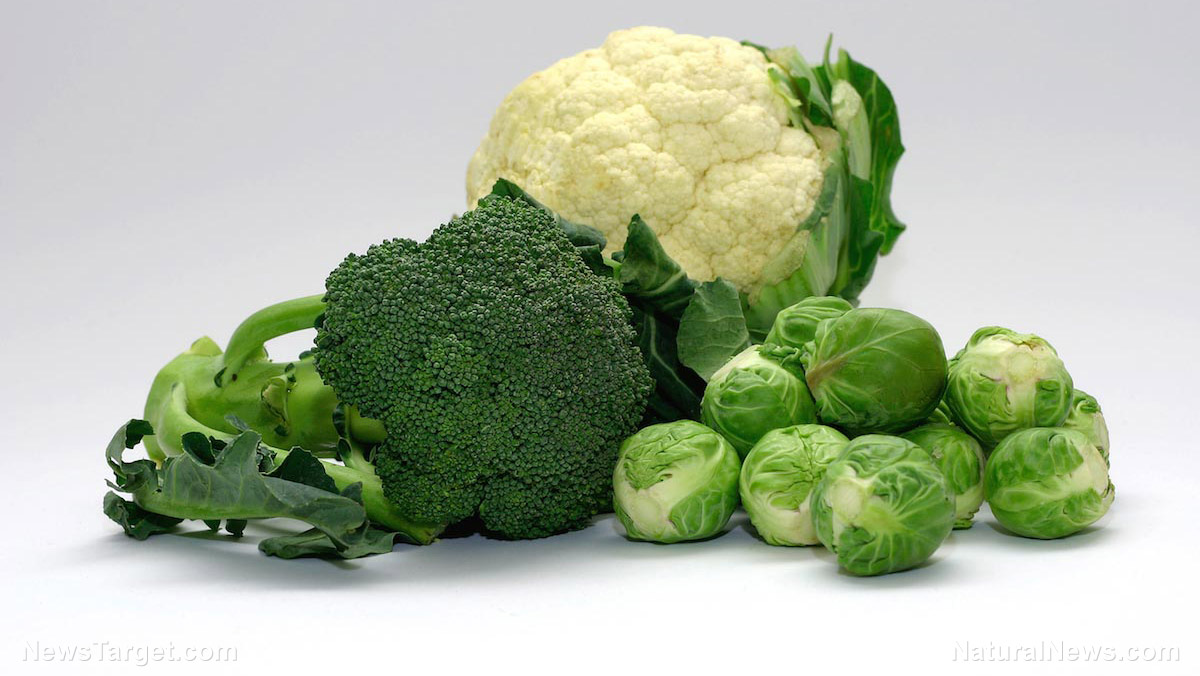
The skin’s inherent moisture system is a marvel of biological engineering, reliant on a steady supply of specific nutrients to function optimally. The strategy for internal moisturization is built on several key pillars. First are the healthy fats and omega-3s found in foods like wild-caught salmon, sardines and walnuts, which fortify the skin’s lipid layer, helping it lock in hydration. Next, antioxidants and vitamins play a defensive role: vitamin C from bell peppers and broccoli is crucial for collagen production, which improves skin elasticity, while vitamin E and selenium in nuts and seeds protect skin cells from oxidative damage that leads to dryness. Minerals like zinc and copper, abundant in oysters and shellfish, support collagen formation and overall skin repair. Finally, compounds like the carotenoids in sweet potatoes and leafy greens physically strengthen the skin’s outer barrier, helping it better repel environmental assaults.
Powerhouse foods for internal hydration
Incorporating specific, nutrient-dense foods can directly translate to improved skin hydration. A diet focused on internal moisturization might regularly feature:
- Fatty fish like salmon, providing omega-3s for barrier support.
- Avocados, delivering a combination of hydrating healthy fats and skin-critical vitamins C and E.
- Bone broth, a natural source of collagen precursors that may enhance skin elasticity and hydration.
- Sweet potatoes and dark leafy greens, rich in carotenoids that bolster the skin’s defense system.
- Nuts and seeds, offering a composite of vitamin E, selenium and essential fatty acids.
From topical tradition to nutritional science
The pursuit of moist, youthful skin is ancient, with historical beauty rituals heavily reliant on topical applications—from Cleopatra’s milk baths to the use of plant oils across countless cultures. While these practices honored the skin’s need for emollients, modern nutritional science has expanded the understanding of skin as a dynamic organ deeply fed by the bloodstream. This shift reflects a broader 20th and 21st-century movement in wellness that looks beyond symptomatic relief to address root causes. Understanding skin health as a facet of overall nutrition aligns with a more holistic, preventive approach to well-being, where diet is recognized as foundational to the body’s largest organ.
A foundational approach to lasting skin health
The quest for consistently hydrated skin reveals a fundamental truth: moisturization is a two-front endeavor. While topical products provide necessary surface-level care and protection, they cannot compensate for a body lacking the raw materials needed to build and maintain healthy skin. The most effective regimen is one that pairs intelligent external care with strategic internal nourishment. By prioritizing hydration and consuming foods rich in essential fats, antioxidants and collagen-supporting nutrients, individuals can support their skin’s natural biology from the inside out. This approach offers more than a temporary fix; it builds a foundation for resilient, supple skin capable of weathering seasonal changes and the stresses of modern life, proving that true radiance is, in many ways, served on a plate.
Sources for this article include:
Submit a correction >>
Tagged Under:
dehydration, food cures, grocery cures, hydration, natural health, nutrient deficiencies, plant medicine, prevention, skin health, stress, women's health
This article may contain statements that reflect the opinion of the author
RECENT NEWS & ARTICLES