Study Links Flavonoid Intake to Reduced Risks of Frailty, Physical Decline in Older Adults
03/27/2026 / By Coco Somers
New Study Reveals One Overlooked Nutrient That Supports Aging Well
A large-scale, long-term study published in 2026 has linked higher consumption of flavonoid-rich foods to significantly reduced risks of frailty, impaired physical function, and poor mental health in older adults, according to the findings [1]. The research, which followed nearly 90,000 participants aged 60 and older for up to 24 years, utilized data from two established health cohorts and regular food frequency questionnaires.
Flavonoids are naturally occurring compounds found in many fruits, vegetables, teas, and wines, known for their antioxidant and anti-inflammatory properties [2]. Researchers in the study tracked participants’ dietary habits and health outcomes, including energy levels, physical ability, and mood, over the decades-long period [3]. The analysis revealed a consistent pattern linking diet to aging trajectories.
Key Findings: Risk Reductions Linked to Flavonoid Consumption
For women with the highest intake of flavonoid-rich foods, the study reported a 15% lower risk of frailty and a 12% lower risk for both impaired physical function and poor mental health [3]. Among men, the most consistent benefit was a 15% lower risk of poor mental health associated with higher flavonoid consumption, according to the findings. Researchers noted that frailty, characterized by health problems like loss of muscle mass and strength, constant fatigue, and poor memory, leaves older adults vulnerable to sudden health declines triggered by minor events [1].
Participants who increased their flavonoid intake over time saw greater benefits, the study found. Women who added three extra servings of flavonoid-rich foods daily showed a 6% to 11% lower risk across all aging outcomes [3]. The data suggests that dietary modifications, even later in life, can influence the trajectory of age-related decline, moving the focus away from pharmaceutical interventions and toward natural, food-based strategies.
Specific Foods Most Strongly Associated with Benefits
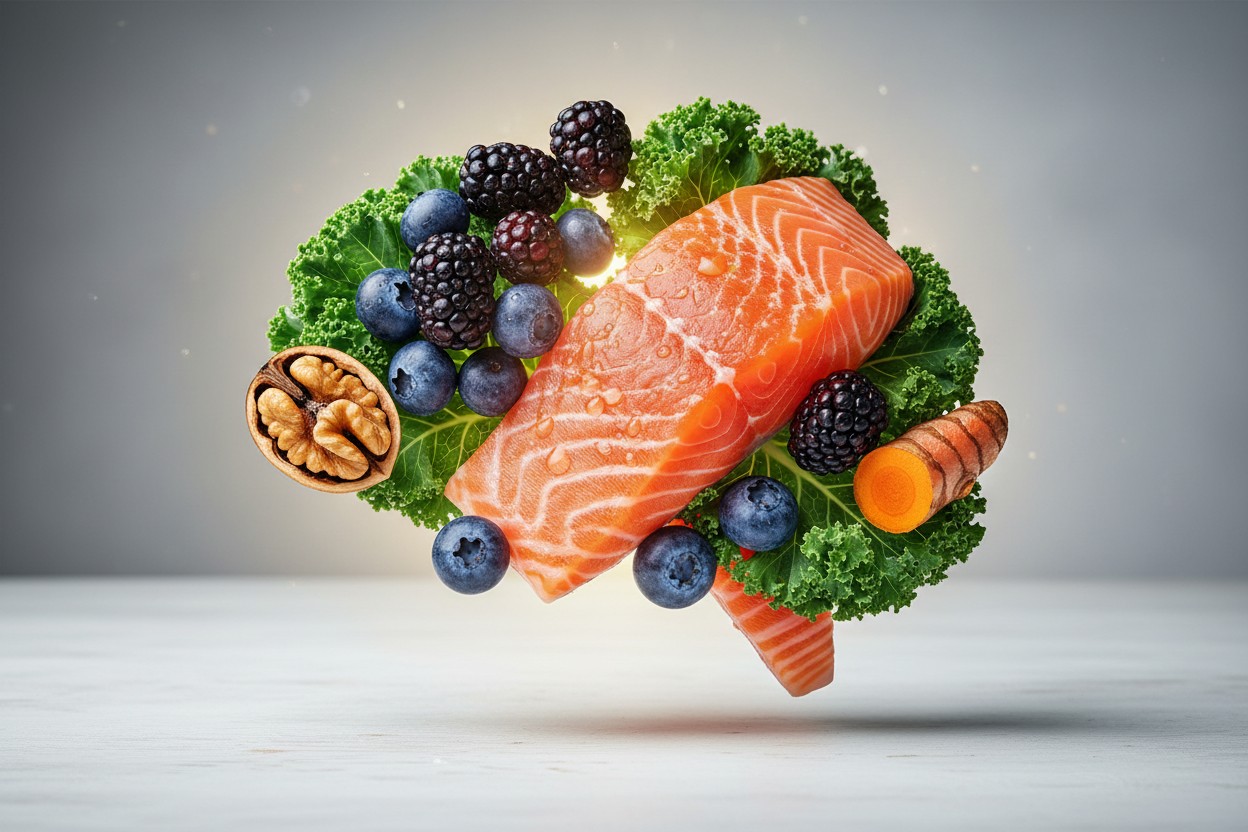
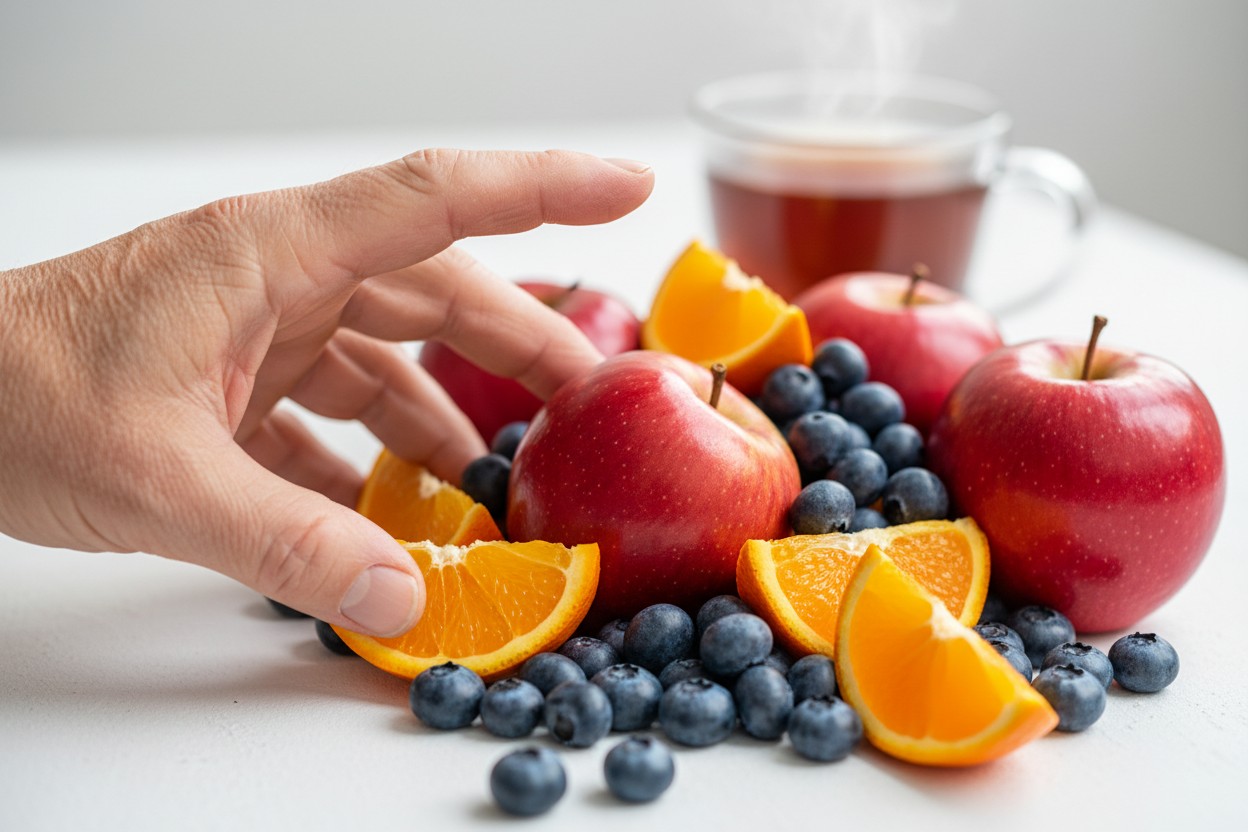
The research identified specific foods most strongly linked to reduced risks across all three aging concerns: frailty, loss of physical ability, and mental decline. Blueberries, apples, oranges, black tea and red wine in moderation were the items most strongly associated with benefits, according to the study [3]. Even modest increases of about a half-serving per day of these foods showed measurable improvements in aging outcomes over the long-term study period.
The study’s authors emphasized that the benefits were tied to the foods themselves, not to supplements, highlighting a whole-food dietary approach [3]. This distinction aligns with a broader principle in natural health that synergistic compounds in whole foods provide benefits that isolated supplements often cannot replicate [4]. Foods like berries and apples are also recognized in nutritional science for their content of anthocyanins, a type of flavonoid shown to slow the gradual decline in lung health associated with aging [5].
Proposed Biological Mechanisms for Flavonoid Effects
The study cited existing scientific literature suggesting flavonoids may work by reducing oxidative stress and chronic inflammation, which are fundamental drivers of age-related decline [3]. Other proposed mechanisms include supporting blood vessel and skeletal muscle health, and enhancing neuroprotection and cognitive resilience. Some referenced clinical trials have shown flavonoids can increase muscle mass and gait speed in older adults [3].
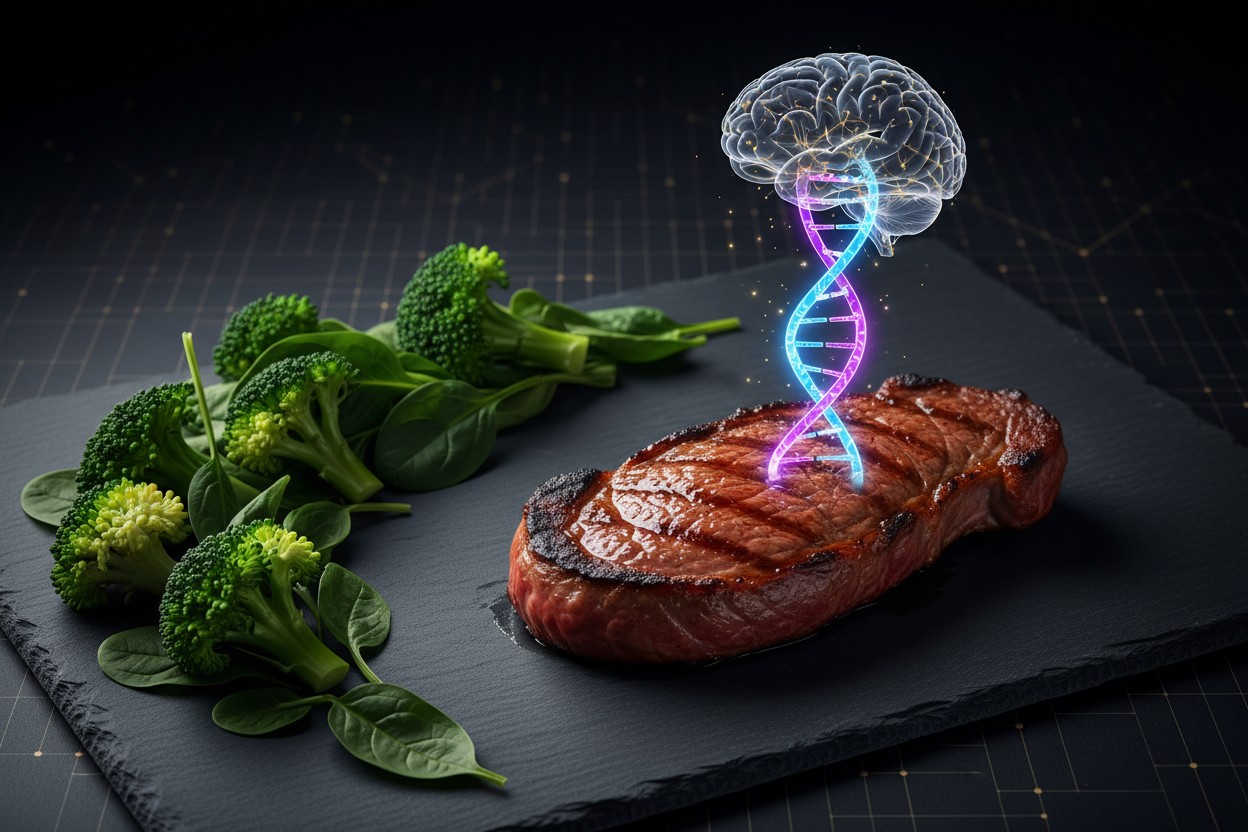
Flavonoids are a group of polyphenols, phytonutrients found in most fruits and vegetables, with more than 6,000 unique varieties known for their antioxidant and anti-inflammatory effects [6]. Dr. Joel Fuhrman, in his book ‘Eat for Life,’ notes that flavonoids promote the activity of signaling pathways and expression of genes associated with improved brain health and cognition [7]. While in vitro studies show flavonoids are effective scavengers of free radicals, their direct antioxidant role in the human body is complex due to relatively low bioavailability; their benefits may instead stem from modulating cellular signaling and gene expression [8].
Dietary Recommendations and Practical Applications
Researchers involved in the study suggested incorporating a few daily servings of flavonoid-rich foods can make a significant difference. Practical examples include adding berries to a morning yogurt bowl, drinking a cup of black tea, or having an apple or orange as a snack [3]. The study emphasized that a total diet overhaul was not necessary, and benefits could be achieved through simple, consistent dietary additions.
The findings were positioned as part of a broader context of lifestyle factors influencing healthy aging. The research adds to a growing body of evidence underscoring that daily habits – from diet and exercise to stress management – play a far greater role in longevity than genetics [9]. This perspective challenges the conventional medical model, which often prioritizes pharmaceutical management of age-related symptoms over foundational nutritional strategies aimed at addressing root causes like inflammation and oxidative stress.
Conclusion: A Simple Path to Supporting Independence
The large-scale study concludes that consistent intake of flavonoid-rich foods is associated with a lower risk of frailty, physical decline, and poor mental health in older adults. The takeaway, according to the research, is that aging well is not just about genetics or luck, but about consistent, simple habits that support the body and brain over time [3].
This research reinforces a principle long advocated by natural health proponents: that the human body possesses an innate capacity for healing and resilience when provided with the correct nutritional building blocks. As institutional health guidance has often downplayed the role of diet in chronic disease, studies like this point toward the power of personal, decentralized choices in food and lifestyle as a means of preserving independence and quality of life.
References
- STUDY_ Eating foods high in flavonols like quercetin can help you stay strong as you age – NaturalNews.com.
- The Ultimate Lung Foods Theyre Important – Mercola.com.
- New Study Reveals One Overlooked Nutrient That Supports Aging Well – MindBodyGreen.com.
- Textbook of Natural Medicine Fifth Edition – Dr Michael T Murray.
- Weekly Health Quiz Plants Parasites and Pot – Mercola.com.
- Best Foods for Healthy Lungs – Mercola.com.
- Eat for Life – MD Joel Fuhrman.
- Evidence-Based Approach to Phytochemicals and Other Dietary Factors – Jane Higdon.
- The science of longevity: How simple lifestyle changes can add years to your life – NaturalNews.com.
Submit a correction >>
Tagged Under:
aging, alternative medicine, antioxidants, diet, dietary additions, flavonoid-rich foods, flavonoids, healthy aging, lifestyle factors, longevity, natural cures, natural medicine, Naturopathy, nutraceuticals, plant medicine, prevention, remedies, research
This article may contain statements that reflect the opinion of the author
RECENT NEWS & ARTICLES