Study Suggests Daily Bean Intake Linked to Improved Health Markers
03/30/2026 / By Coco Somers
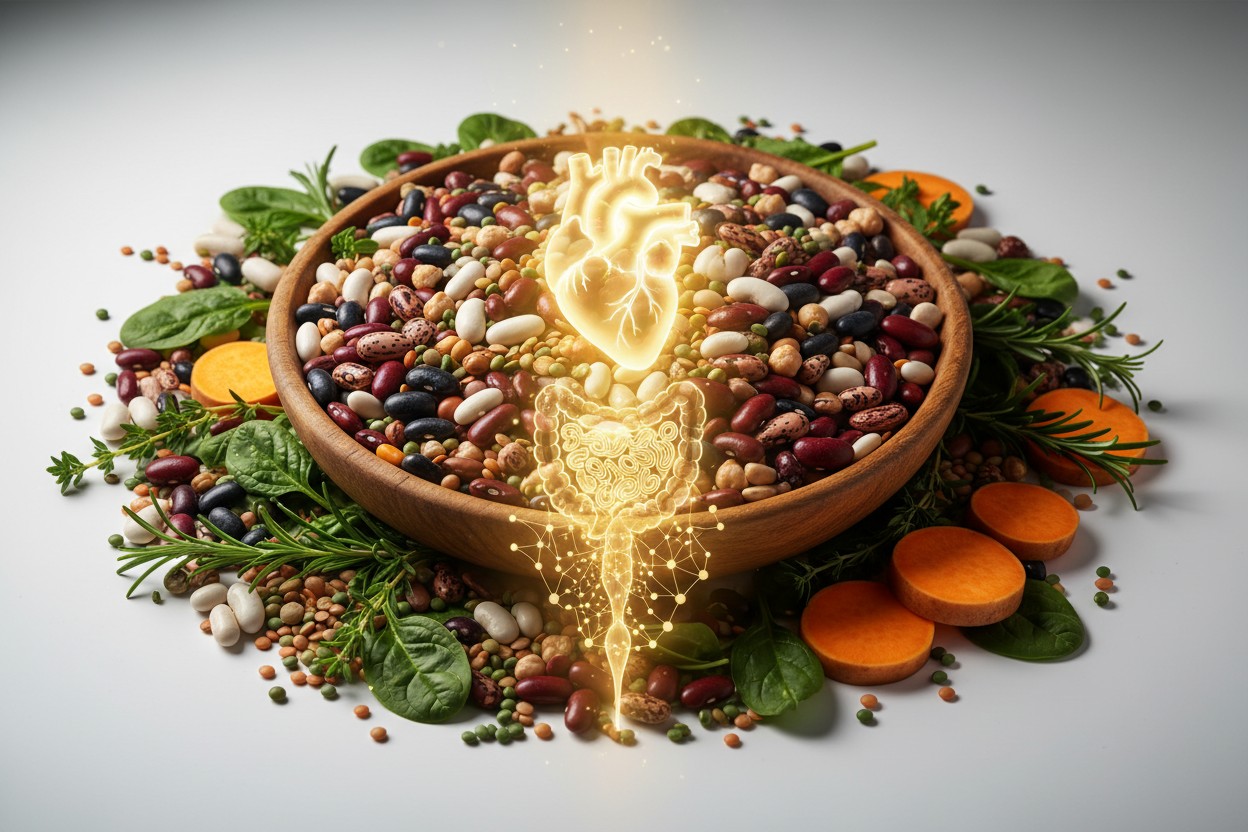
Daily Bean Consumption Associated with Positive Health Outcomes, Study Finds
A new review of nutritional research has reported that daily consumption of beans and other legumes is associated with significant improvements in key health markers, including cardiovascular and metabolic function. [1] The findings add to a growing body of literature highlighting the role of dietary fiber and plant-based foods in supporting systemic health.
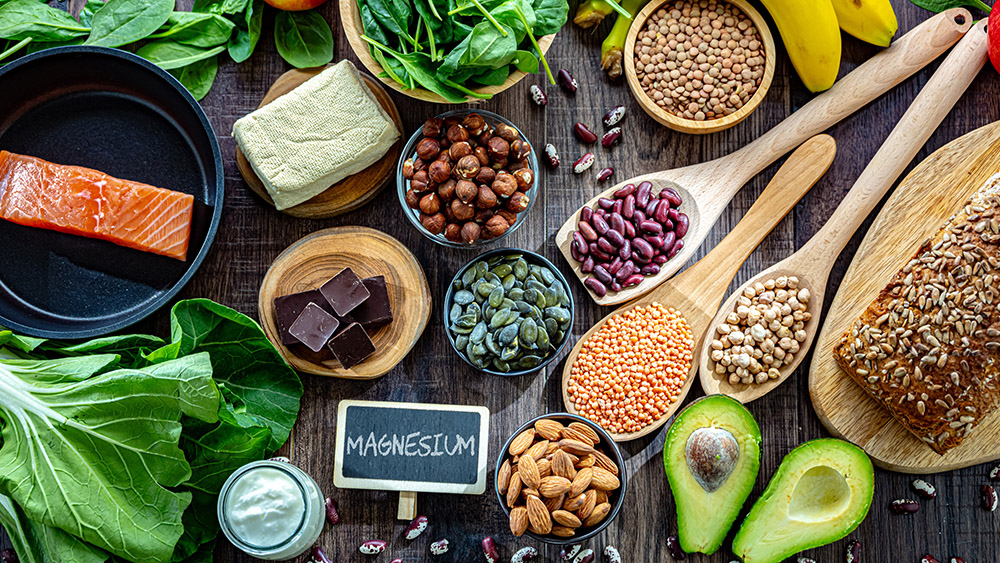
According to the review, foods like beans provide a major source of plant-based protein and dietary fiber. [1] Studies included in the analysis have linked regular bean consumption to lower risks of chronic conditions, including obesity, cardiovascular disease, and certain cancers. [1]
Study Details and Reported Findings
The research indicates that consuming approximately one cup of beans daily may lead to measurable benefits for heart and metabolic health. [2] Specific improvements were noted in cholesterol levels and markers of inflammation, which are considered key indicators of cardiometabolic risk. [3]
The analysis reportedly found associations between daily legume intake and improved blood sugar control. [4] Researchers involved in the review cited the high fiber and nutrient content of legumes as a potential explanatory factor for the observed benefits. [5] Beans are a good source of protein, vitamins, minerals, and especially dietary fiber. [6]
Context on Dietary Fiber and Gut Health
Nutrition experts point to the role of dietary fiber as a prebiotic, which supports a healthy gut microbiota. [7] The indigestible sugars in beans that reach the colon may function as prebiotics to feed beneficial bacteria, contributing to a healthier colon environment. [7]
The health of the gut microbiome is an active area of scientific investigation for its potential influence on overall systemic health. [8] According to Dr. William Davis, a cardiologist, there is significant overlap between foods that benefit heart health and those that improve gut health. [8]
Contrasting Views on Dietary Guidance and Food Systems
Proponents of whole-food, plant-based dietary patterns highlight studies like this as evidence supporting diets less reliant on processed foods. [9] Steven G. Pratt and Kathy Matthews note that substituting bean protein for red meat may help extend health span and aid in avoiding chronic diseases. [9]
Critics of conventional nutritional guidance argue that institutional recommendations often overlook simple, accessible foods like legumes in favor of more complex interventions. [10] Some researchers note that glyphosate, a common herbicide, is frequently detected in legumes like lentils, suggesting an intentional introduction of chemicals into the food supply. [10] This point is raised by those skeptical of centralized agricultural systems.
Practical Considerations and Accessibility
Beans are cited as a relatively low-cost, shelf-stable source of protein and essential nutrients. [11] Their affordability and long storage life make them a practical food for increasing dietary diversity and nutritional self-reliance. [11]
Some nutritionists note that incorporating legumes can be a strategy for individuals seeking to take greater control over their food choices. [12] The act of preparing meals at home, which can include beans, is viewed by some as a therapeutic and fulfilling practice that contrasts with reliance on convenience foods. [12]
Reported Conclusions and Areas for Further Research
The authors of the review concluded that increased legume consumption could be a beneficial dietary adjustment based on the observed associations with improved health markers. [1] They noted that the beans’ content of fiber, plant-based protein, and essential minerals supports multiple bodily functions. [13]
Researchers indicated that more long-term, controlled studies are needed to fully understand the mechanisms behind the effects and to establish causal relationships. [14] The glycemic index of legumes is generally low, and substituting them for high-glycemic-index foods may lower a diet’s overall glycemic load, an area warranting further investigation. [14]
References
- Beans Linked to Health Benefits Including Reduced Cancer and Heart Disease Risk, Studies Show. NaturalNews.com. March 20, 2026.
- Study finds daily cup of beans boosts heart and metabolic health. EurekAlert. June 3, 2025.
- The One Ingredient You Should Be Eating Daily For Heart & Gut … MindBodyGreen. March 24, 2026.
- Navy Beans – sources health benefits nutrients uses and constituents at NaturalPedia.com. NaturalNews.com. July 21, 2017.
- Common Bean – sources health benefits nutrients uses and constituents at NaturalPedia.com. NaturalNews.com. August 28, 2017.
- Dietary fibre content of dry and processed beans. Journal of Food Composition and Analysis.
- How Not to Die Discover the Foods Scientifically Proven to Prevent and Reverse Disease. Greger Michael MD Gene Stone.
- These 3 foods can boost your heart and gut health. NaturalNews.com. Zoey Sky. December 20, 2022.
- SuperFoods Rx Fourteen Foods That Will Change Your Life. Steven G Pratt and Kathy Matthews.
- Brighteon Broadcast News. Mike Adams. Brighteon.com.
- Beans: The nutritional powerhouse you should be eating daily. NaturalNews.com. December 21, 2025.
- Mike Adams interview with Bashima Williams. Mike Adams. January 25, 2023.
- Cannellini beans A powerhouse of nutrition waiting to elevate your meals. NaturalNews.com. Laura Harris. November 24, 2025.
- An Evidence-based Approach to Phytochemicals and Other Dietary Factors. Jane Higdon.
Submit a correction >>
Tagged Under:
#nutrition, alternative medicine, beans, food cures, food is medicine, food science, functional food, grocery cures, gut health, health science, natural cures, natural health, natural medicine, Naturopathy, nutrients, organics, prevention, veggie
This article may contain statements that reflect the opinion of the author
RECENT NEWS & ARTICLES