The gut’s peacekeeper: How vitamin D may calm a misdirected immune system
04/02/2026 / By Willow Tohi

- New research suggests vitamin D supplementation may help rebalance the immune system’s response to gut bacteria in people with Inflammatory Bowel Disease (IBD).
- Studies indicate vitamin D can reduce pro-inflammatory immune cells and antibodies while boosting protective, regulatory ones.
- The nutrient also appears to support a healthier gut microbiome, promoting bacteria that produce anti-inflammatory compounds.
- Vitamin D deficiency is exceptionally common in IBD patients, potentially due to malabsorption, diet, or limited sun exposure.
- Experts emphasize these findings support vitamin D as a complementary therapy, not a replacement, and stress the importance of personalized testing and medical guidance.
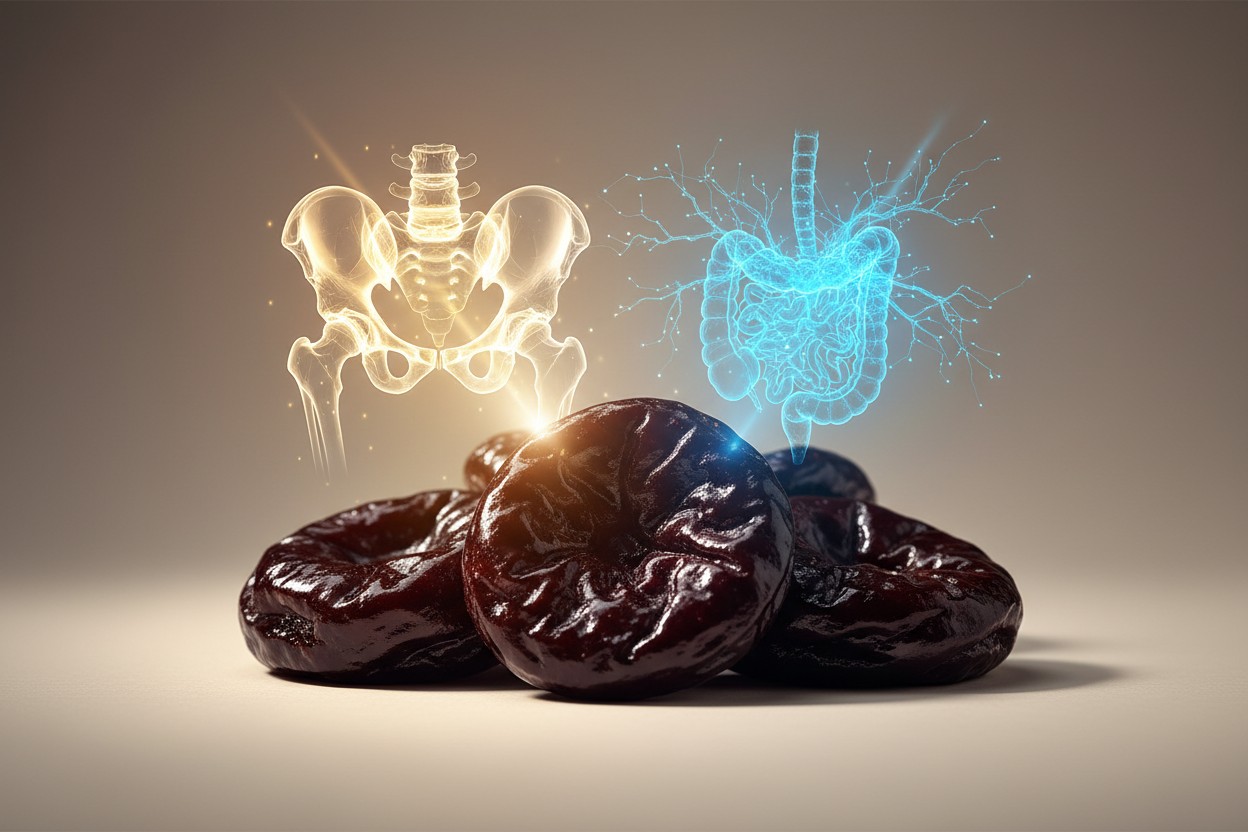
For the millions navigating the unpredictable flares of Inflammatory Bowel Disease (IBD), the immune system is not a protector but an aggressor, mistakenly attacking the digestive tract. Now, converging research from leading institutions points to a familiar nutrient—vitamin D—as a potential key to restoring peace. Recent studies suggest that beyond supporting bones, vitamin D may fundamentally reshape the gut’s immune landscape, calming inflammatory fires and fostering a healthier relationship with the trillions of microbes within. This emerging science offers a compelling, complementary avenue for managing chronic gut inflammation and highlights a critical deficiency often overlooked in conventional care.
The IBD conundrum: A system at war with itself
Inflammatory Bowel Disease, encompassing Crohn’s disease and ulcerative colitis, represents a profound failure of immune communication. The condition is characterized by a loss of “immune tolerance,” where the body’s defense mechanisms launch a sustained attack on harmless gut bacteria and the intestinal lining itself. This leads to chronic inflammation, pain and debilitating symptoms like severe diarrhea and fatigue. Historically, treatment has focused on suppressing this rampant immune activity with powerful anti-inflammatory drugs and immunosuppressants. While often necessary, this approach can be akin to damping down a fire without addressing the faulty wiring that sparked it. The emerging question is whether therapy can also aim to repair that underlying dysfunction, restoring the immune system’s ability to distinguish friend from foe.
Vitamin D: From bone builder to immune diplomat
Vitamin D has long been typecast in its role in calcium absorption and skeletal health. However, decades of research have recast it as a potent immunomodulator. Nearly every immune cell carries receptors for vitamin D, indicating its integral role in directing immune responses. In the context of autoimmunity and chronic inflammation, vitamin D appears to promote a more tolerant, regulated state. This biological groundwork explains the well-documented link: vitamin D deficiency is rampant in the general population but is even more prevalent among IBD patients, with some studies suggesting up to 70% have insufficient levels. This deficiency may stem from malabsorption during active disease, dietary restrictions, or reduced sun exposure—a primary source of the vitamin.
New research maps a path to immune balance
Two pivotal 2026 studies, one from Mayo Clinic published in Cell Reports Medicine and another in Frontiers in Immunology, provide a detailed map of how vitamin D supplementation might correct the immune dysregulation in IBD. Using advanced multi-omics techniques to analyze genes, cells and gut bacteria, researchers observed consistent patterns after 8 to 12 weeks of supplementation in patients with low baseline vitamin D.
The findings reveal a dual mechanism. On one front, vitamin D directly tempered the aggressive side of the immune system, reducing the activity of pro-inflammatory Th17 cells and antibodies like Immunoglobulin G (IgG), which are associated with damaging inflammatory pathways. Simultaneously, it bolstered the body’s peacekeeping forces, increasing the population of regulatory T cells (Tregs) and enhancing protective Immunoglobulin A (IgA) responses, which help maintain a healthy mucosal barrier. Perhaps most intriguingly, vitamin D supplementation was linked to a shift in the gut microbiome itself, encouraging the growth of beneficial bacteria that produce anti-inflammatory short-chain fatty acids. This creates a virtuous cycle: a calmer immune system allows a healthier microbiome to flourish, which in turn further supports immune regulation.
The evolving understanding of gut health
This research fits into a broader, ongoing revolution in medicine that reconsiders the human body not as a solitary entity but as a complex ecosystem. The historical view of the gut as a simple digestive tube has been completely overturned. We now understand it as the largest immune organ in the body, home to a vast microbiome that educates and interacts with our immune system from birth. The rise of chronic inflammatory diseases like IBD in the modern era is increasingly linked to disruptions in this ancient partnership, potentially driven by diet, environmental factors and lifestyle. In this light, vitamin D’s role emerges as that of an essential moderator, a nutrient that helps maintain the delicate dialogue between host and microbiome that is essential for health.
A cautious, personalized path forward
The compelling nature of this science must be balanced with practical medical caution. Researchers and clinicians uniformly stress that vitamin D is not a substitute for standard IBD therapies but a potentially powerful complementary tool. The journey begins with testing; a simple blood test for 25-hydroxyvitamin D can establish a baseline. Dosing is not one-size-fits-all and must be personalized under medical supervision, as needs vary dramatically based on deficiency severity, disease activity and individual metabolism. The studies showed benefits after consistent supplementation over several weeks, underscoring that this is a therapeutic strategy, not an instant fix.
Toward a more holistic management paradigm
The growing evidence for vitamin D’s role in IBD represents more than just a new supplement recommendation. It signifies a shift toward a more holistic, systems-based approach to chronic disease, where supporting foundational biological processes—like immune tolerance and microbiome balance—becomes part of the therapeutic goal. It empowers patients and providers to look beyond merely quelling symptoms and toward nurturing the body’s inherent regulatory capacities. While larger, randomized controlled trials are needed to solidify these findings and refine protocols, the current science offers a hopeful and accessible avenue. For those living with IBD, ensuring adequate vitamin D levels, guided by a healthcare team, may prove to be a critical step in quieting the internal storm and fostering lasting gut health.
Sources for this article include:
Submit a correction >>
Tagged Under:
#nutrition, alternative medicine, chronic disease, Cures, food science, gut health, health science, immune system, microbiome, natural cures, natural health, natural medicine, Naturopathy, nutrients, remedies, supplements, vitamin D
This article may contain statements that reflect the opinion of the author
RECENT NEWS & ARTICLES