Gut bacteria may shape how your body responds to stress, new study finds
04/24/2026 / By Willow Tohi
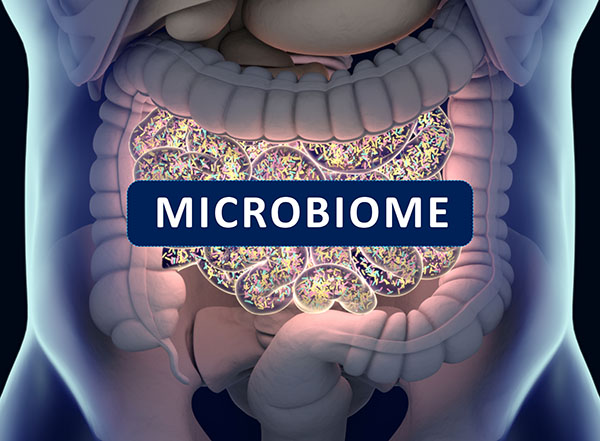
- A University of Vienna study of 74 healthy adults found that higher gut microbial diversity was linked to stronger cortisol and stress responses during acute stress tests.
- Short-chain fatty acids produced by gut bacteria, particularly butyrate and propionate, appear to calibrate the stress response in distinct and opposing ways.
- The research challenges assumptions that a “healthy” stress response means staying calm, instead suggesting flexibility and appropriate reactivity are key.
- Stress disrupts gut bacteria balance, while a diverse microbiome may support a well-calibrated, adaptive stress response.
- Fiber-rich foods, fermented foods and stress management techniques can support both gut health and stress resilience
The connection between gut health and stress runs deeper than scientists previously understood, according to new research that challenges conventional thinking about what constitutes a healthy stress response.
Researchers at the University of Vienna studied 74 healthy adults aged 18 to 34, collecting stool samples and exposing half the participants to a standardized stress intervention while the other half completed a non-stressful control task. The findings, published in the journal Neurobiology of Stress, revealed that individuals with higher gut microbial diversity actually mounted stronger stress responses — a characteristic the researchers say may indicate resilience rather than weakness.
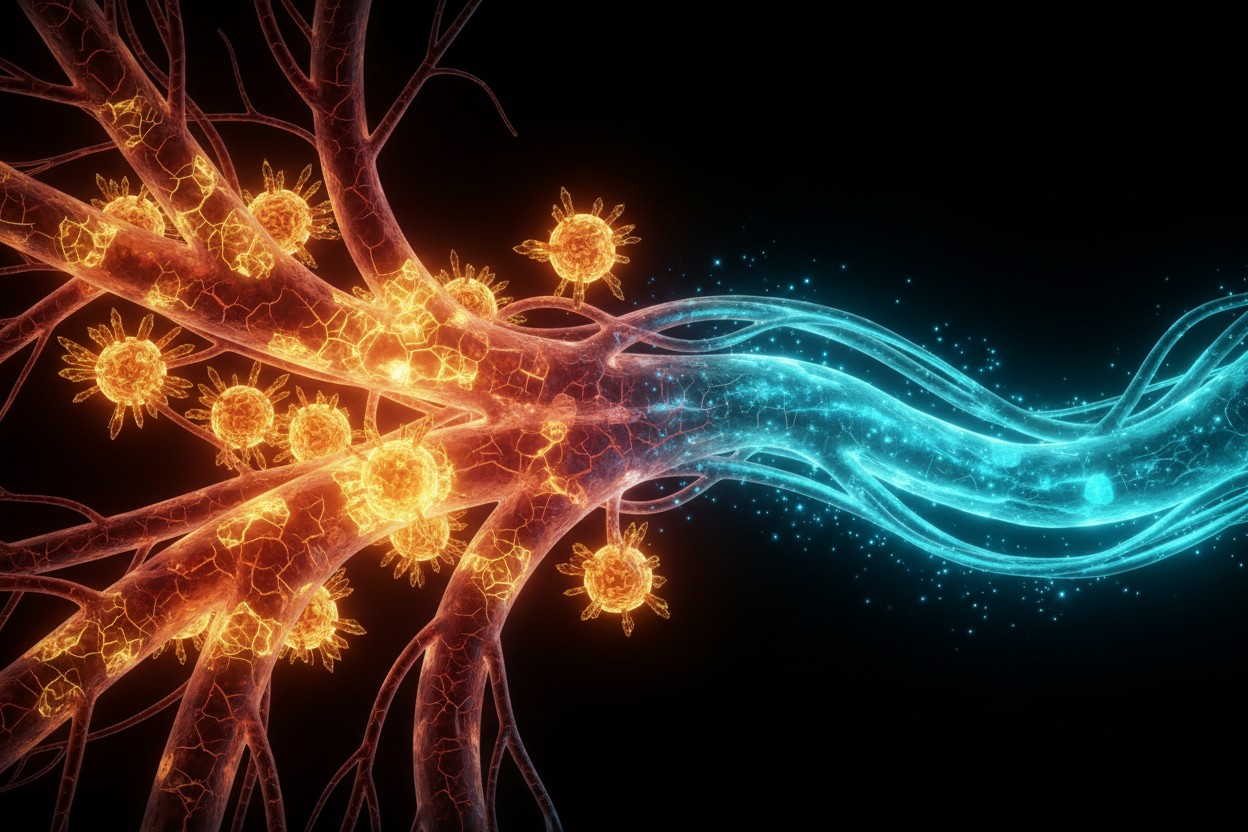
The study examined the gut-brain axis, the bidirectional communication pathway between the digestive system and central nervous system. This connection, mediated by the vagus nerve, immune signaling and metabolites produced by gut bacteria, allows the brain to influence digestion while the gut simultaneously sends signals that affect mood and stress response.
Why stronger stress reactivity may signal better health
The study’s results might seem counterintuitive at first glance. Participants with more diverse gut microbiomes showed higher cortisol levels and reported greater subjective stress when exposed to the Montreal Imaging Stress Task, a validated procedure combining timed mental arithmetic with social evaluation.
However, the researchers interpret these findings differently than conventional wisdom might suggest. Moderate, time-limited cortisol reactivity represents a marker of flexible, adaptive stress response. The body is designed to respond appropriately to acute stressors, mobilizing energy and sharpening focus to navigate challenges.
Problems arise at the extremes. Blunted stress responses have been linked to depression and anxiety, while exaggerated or prolonged responses are associated with chronic stress and its downstream health effects. What constitutes optimal function is a system that can mount an appropriate response and then recover efficiently.
According to the study authors, a diverse gut microbiota may support precisely this kind of flexibility, helping the body respond when needed rather than remaining stuck in under-reactivity or over-reactivity.
Short-chain fatty acids: Nature’s stress calibrators
The researchers also analyzed short-chain fatty acids produced when gut bacteria ferment dietary fiber. Compounds like butyrate and propionate support gut barrier integrity, regulate immune function and influence the brain via the vagus nerve.
The analysis revealed opposing effects: butyrate-producing bacteria were associated with higher cortisol stress reactivity, while propionate-producing bacteria were associated with lower cortisol stress reactivity. When both types were included together in statistical models, both remained significant predictors of cortisol reactivity.
These findings suggest that different short-chain fatty acids fine-tune the stress response in distinct ways. The gut does not simply turn stress up or down but rather calibrates the entire system with specificity, creating a balanced, context-appropriate response.
Why this research matters now
This research arrives during a period of rising chronic stress levels across industrialized nations. The gut-brain axis has been recognized in scientific literature for decades, but only recently have researchers begun to understand how deeply gut microbiota influence neurological and psychological function.
The findings connect to broader concerns about declining dietary quality in modern populations. Ultra-processed foods, reduced fiber intake and overuse of antibiotics have been associated with diminished gut microbial diversity. If diverse gut bacteria support flexible stress responses, current dietary trends may be compromising resilience at a population level.
Stress hormones like corticotropin-releasing hormone and cortisol play key roles in how the gut-brain axis responds, shifting the body’s priorities away from digestion during acute stress. The stomach may empty more slowly while the colon becomes more active, leading to symptoms like nausea, cramping, or loose stools.
For the estimated 10% of the global population with irritable bowel syndrome, a disorder now understood as a gut-brain interaction condition, stress can worsen physical symptoms and trigger flares even when no structural bowel damage exists.
Practical steps to support the gut-stress connection
While the research does not prescribe specific interventions, it points toward strategies that support microbial diversity and short-chain fatty acid production. Evidence suggests these approaches may help maintain a well-calibrated stress response:
Consume fiber-rich foods: Dietary fiber serves as primary fuel for short-chain fatty acid-producing bacteria. Vegetables, fruits, legumes and whole grains provide the diversity needed for microbial health. A target of approximately 30 different plant foods per week is associated with greater gut microbiome diversity.
Include fermented foods regularly: Yogurt, kimchi, sauerkraut, kefir and kombucha introduce beneficial bacteria and may support microbial diversity. Even small amounts consumed regularly can be beneficial for most people.
Manage stress throughout the day: Because the gut-brain axis operates bidirectionally, chronic stress can disrupt the microbiome just as a disrupted microbiome can affect stress response. Building in recovery time matters for both systems.
Protect gut ecosystem integrity: Antibiotics, ultra-processed foods and chronic inflammation can all reduce microbial diversity. When possible, minimizing unnecessary disruptions to the gut ecosystem supports long-term resilience.
A new understanding of resilience
The gut microbiome is not merely a passive passenger during stress but an active participant in shaping how the body responds. A diverse, well-functioning gut may help mount the kind of flexible, adaptive stress response that supports genuine resilience — not by eliminating stress reactions but by calibrating them appropriately.
The next time stress response kicks in, that reaction is not a failure of composure but rather the body doing what it is designed to do, with gut bacteria potentially helping to fine-tune the entire system. Supporting gut health through diet, stress management and lifestyle choices represents a practical strategy for maintaining this delicate balance between under-reactivity and over-reactivity, between calm and chaos.
Sources for this article include:
Submit a correction >>
Tagged Under:
Brain, cortisol reactivity, Cures, gut health, gut microbiome, gut-brain axis, healing, health science, mental health, Mind, mind body science, natural health, real investigations, research, short-chain fatty acids, stress, stress response
This article may contain statements that reflect the opinion of the author
RECENT NEWS & ARTICLES