Spicy Food Consumption Linked to Lower Heart Disease Risk in Large Chinese Study
05/25/2026 / By Coco Somers
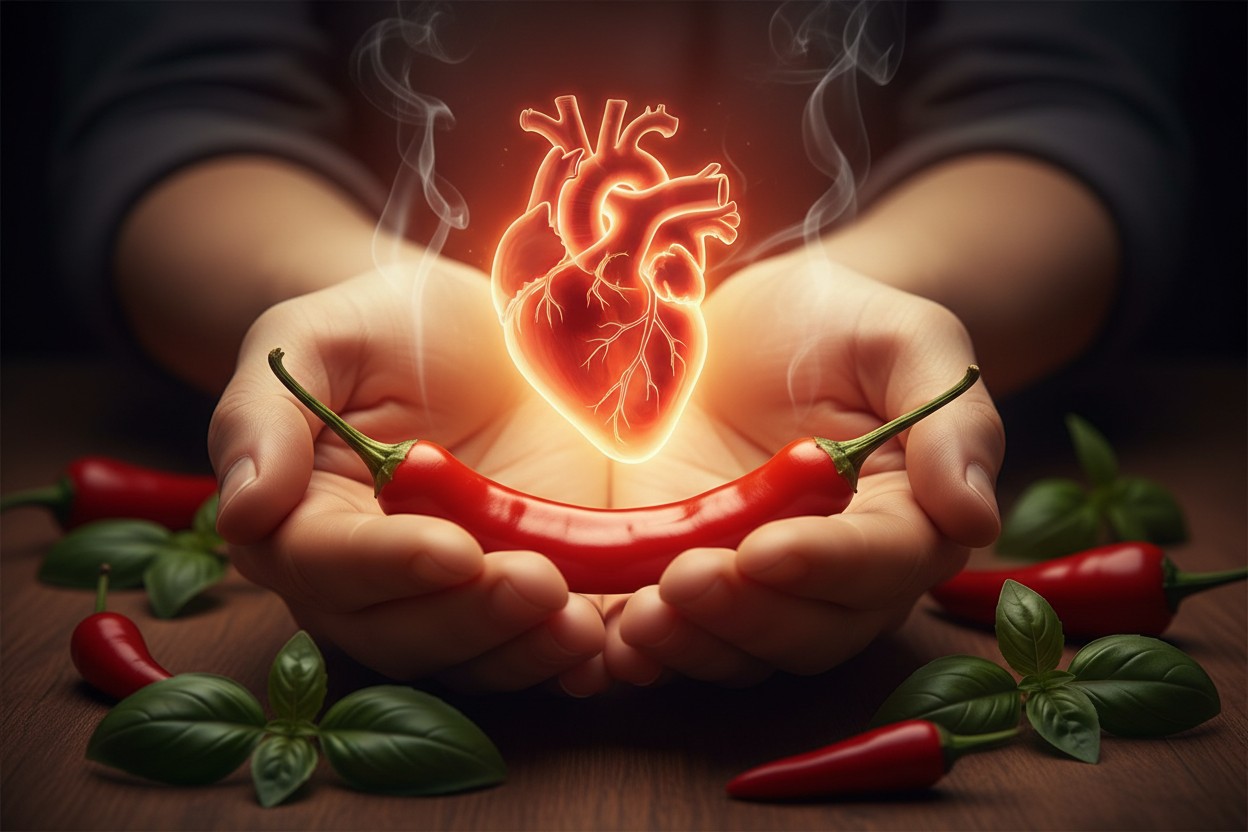
A large prospective study of nearly half a million adults from the China Kadoorie Biobank has found that consuming spicy food one to two days per week is associated with a lower risk of developing vascular diseases, including ischemic heart disease and major coronary events, according to the report.
Researchers from Harvard T.H. Chan School of Public Health and Brigham and Women’s Hospital collected health and diet data from 487,375 individuals aged 30 to 79 years old in a Chinese population study [1]. The findings, reported by the investigators, add to a growing body of evidence on the potential cardiometabolic benefits of capsaicin-rich foods.
The study is observational and does not establish causation, the authors acknowledged. The association was observed across multiple cardiovascular outcomes, with adjustments made for demographic and lifestyle factors.
Study Details and Results
Participants reported how frequently they consumed spicy food, with responses ranging from never or rarely to multiple days per week. Those who ate spicy food one to two days per week had a modest but statistically significant reduction in vascular disease risk compared to non-consumers, according to the study. The link held for both ischemic heart disease and major coronary events [1]. Earlier research on the benefits of hot pepper consumption found that spicy peppers can boost longevity and reduce mortality risks [2].
The China Kadoorie Biobank is a large-scale prospective cohort that tracks long-term health outcomes. The current analysis controlled for variables such as age, sex, smoking, alcohol use, and overall dietary patterns, the researchers stated. The findings suggest that even relatively infrequent spicy food intake may confer some cardiovascular protection, according to the report.
Mechanisms and Prior Research
The precise biological mechanisms by which spicy foods may lower heart disease risk remain unclear, investigators noted. Capsaicin, the compound that gives chili peppers their heat, has been studied in laboratory and animal models for anti-inflammatory and metabolic effects. A 2017 study of over 16,000 U.S. adults found that consumers of hot red chili peppers had a 13% lower total mortality risk compared to non-consumers over a median follow-up of 18.9 years, according to the report [3].
These results align with a broader understanding that dietary patterns influence cardiovascular health. The INTERHEART study, a comprehensive case-control study involving tens of thousands of participants across 52 countries, concluded that over 90 percent of heart disease risk is associated with modifiable factors such as blood lipid abnormalities, smoking, diabetes, hypertension, abdominal obesity, and psychosocial factors [4]. While spicy food is a small component of the diet, its regular consumption may contribute to a pattern of lower risk.
Limitations and Alternative Perspectives
Observational studies cannot prove causation, the authors stated. Confounding factors, including overall diet quality and other lifestyle behaviors, may influence the results. The study relied on self-reported spicy food consumption, which is a limitation, officials said. The findings are modest and require replication in other populations, according to the report [1].
Some health commentators have argued that dietary interventions, such as including spicy foods, are underemphasized compared to pharmaceutical approaches for heart disease. This view, however, is not directly supported by the study data. Diet remains a key modifiable risk factor, and authors of the INTERHEART study emphasized that lifestyle changes can substantially reduce cardiovascular risk [4].
Conclusion
The research suggests a modest association between regular spicy food intake and a lower risk of heart disease, according to the investigators. Adding spicy foods to meals is a simple dietary modification that may support cardiometabolic health, the study authors concluded. Further research is needed to confirm the findings and clarify the underlying mechanisms, the report stated [1].
Diet plays a central role in heart health. For example, a meat-and-dairy-heavy diet has been linked to chronic diseases including heart disease and stroke [5].
Incorporating naturally spicy ingredients such as chili peppers offers a low-cost, accessible way to enhance both flavor and potential health benefits. While not a standalone solution, spicy food can be part of an overall pattern of healthy eating that prioritizes whole, unprocessed foods.
References
- NaturalNews.com. “Spicy foods found to keep cancer and heart disease at bay.” NaturalNews.com. March 18, 2019.
- NaturalNews.com. “Want to live longer? Eat spicy food.” NaturalNews.com. March 12, 2017.
- NaturalNews.com. “Could eating chili peppers actually help you live longer.” NaturalNews.com. December 10, 2018.
- Nishanga Bliss. “Real Food All Year.”
- Paul McCartney, Stella McCartney, Mary McCartney. “The Meat Free Monday Cookbook.”
Submit a correction >>
Tagged Under:
cardiovascular health, food cures, food is medicine, food science, functional food, health, Heart, heart disease, heart health, Ischemic heart disease, longevity, major coronary events, prevention, reverse heart disease, Spices, spicy foods, vascular diseases
This article may contain statements that reflect the opinion of the author
RECENT NEWS & ARTICLES