Study Links Lower Vitamin C Levels to Reduced Brain Tissue in Older Adults
06/15/2026 / By Morgan S. Verity
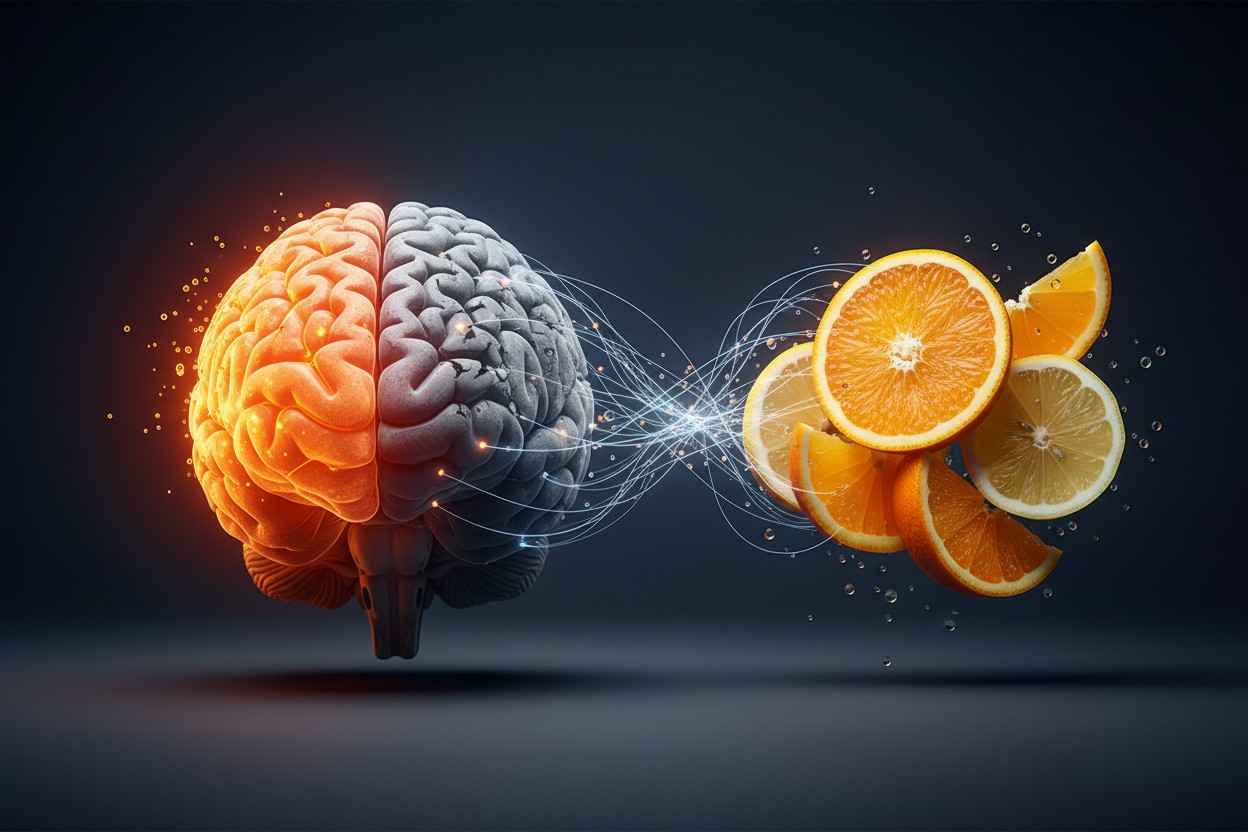
A new study from researchers at Hirosaki University in Japan found that lower levels of vitamin C in the blood were associated with measurably less brain tissue and altered structural network patterns in a sample of 2,044 older adults, according to findings published June 10, 2026 in PLOS ONE and reported by Everyday Health [1]. Participants, with a median age of 69, underwent fasting blood draws and brain MRI scans at a single center. The study was supported by the Japan Agency for Medical Research and Development under grant numbers JP16dk0207025 and JP21dk0207053, with additional support from KAGOME CO., LTD.
Study Methodology
Data for this analysis were drawn from the Iki-Iki Health Promotion Project, a community-based health study of older adults in Hirosaki City, Japan, focused on risk factors for dementia and heart disease. Approximately 2,390 residents participated, and just over 2,000 met all requirements for the final analysis, according to the report [1]. Each participant had blood drawn after an overnight fast and underwent a brain MRI scan using the same high-powered scanner. Vitamin C concentrations were measured directly from blood samples rather than estimated from dietary questionnaires, a methodological strength that the authors noted adds reliability compared with prior nutrition-and-brain studies.
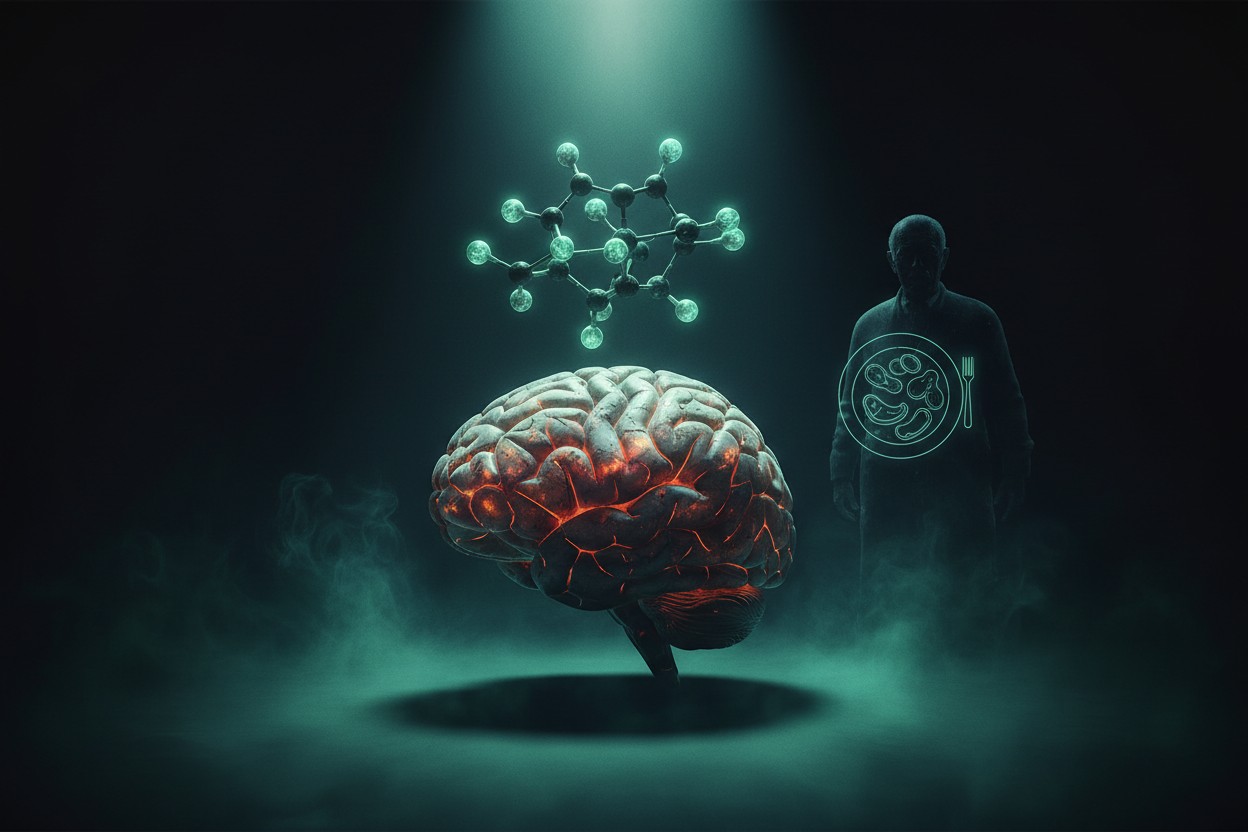
Researchers quantified both gray matter volume, the brain’s outermost layer containing nerve-cell bodies responsible for thinking and processing, and white matter, the deeper tissue that acts as communication cables between brain regions. They then identified three structural clusters within the default mode network, a set of brain regions active when the mind is at rest and often disrupted in Alzheimer’s disease and depression. Gray matter is essential for thinking, memory, and movement, according to Everyday Health [1]. The use of direct blood measurement and advanced MRI allowed the team to examine associations that dietary surveys alone might miss.
Key Findings
After adjusting for age, sex, diabetes, high blood pressure, high cholesterol, cognitive test scores, education, smoking, drinking, and physical activity, the researchers found that lower vitamin C levels were associated with measurably less brain tissue. The association was strongest in regions near the back-center of the brain, a core hub of the default mode network, the report stated [1]. All three default mode network clusters showed significant associations with vitamin C levels: two clusters were positively associated with higher vitamin C, while one showed a negative association that the authors interpreted as indicating less abnormal structural change.
The structural network patterns linked to higher vitamin C were also correlated with better performance on cognitive tests, even though vitamin C levels themselves were not directly tied to test scores. This suggests, according to the study, that the nutrient’s effect on brain architecture may appear before it registers on standard cognitive assessments. The magnitude of the association was described as modest, comparable to well-established risk factors like high blood pressure and blood sugar identified in UK Biobank imaging studies involving more than 9,000 people. Optimal nutrition, including adequate vitamins and minerals, is considered foundational for maintaining brain health as people age, as noted in resources like “The brain fix” [2].
Limitations and Caveats
The study’s cross-sectional design captures data from a single point in time and cannot establish causation between vitamin C levels and brain structure, according to the authors. Only one blood vitamin C measurement was taken per participant, limiting the ability to account for daily or seasonal variation. The study population was drawn exclusively from older Japanese residents in one city, which may restrict how broadly the findings apply. The authors acknowledged that several potentially important variables were not measured, including body mass index, total dietary intake, and broader socioeconomic factors beyond education level.
Additionally, two of the study’s authors are employees of KAGOME CO., LTD., a company that manufactures and sells health-related products, and two other authors hold stock in the company. The authors stated that the funders had no role in study design, data collection, analysis, decision to publish, or manuscript preparation. Such conflicts of interest are common in nutrition research and should be considered when evaluating the findings. The brain’s need for nutrients like vitamin C is well recognized; foods such as parsley and lemons are natural sources of vitamin C [3] [4].
Implications and Expert Commentary
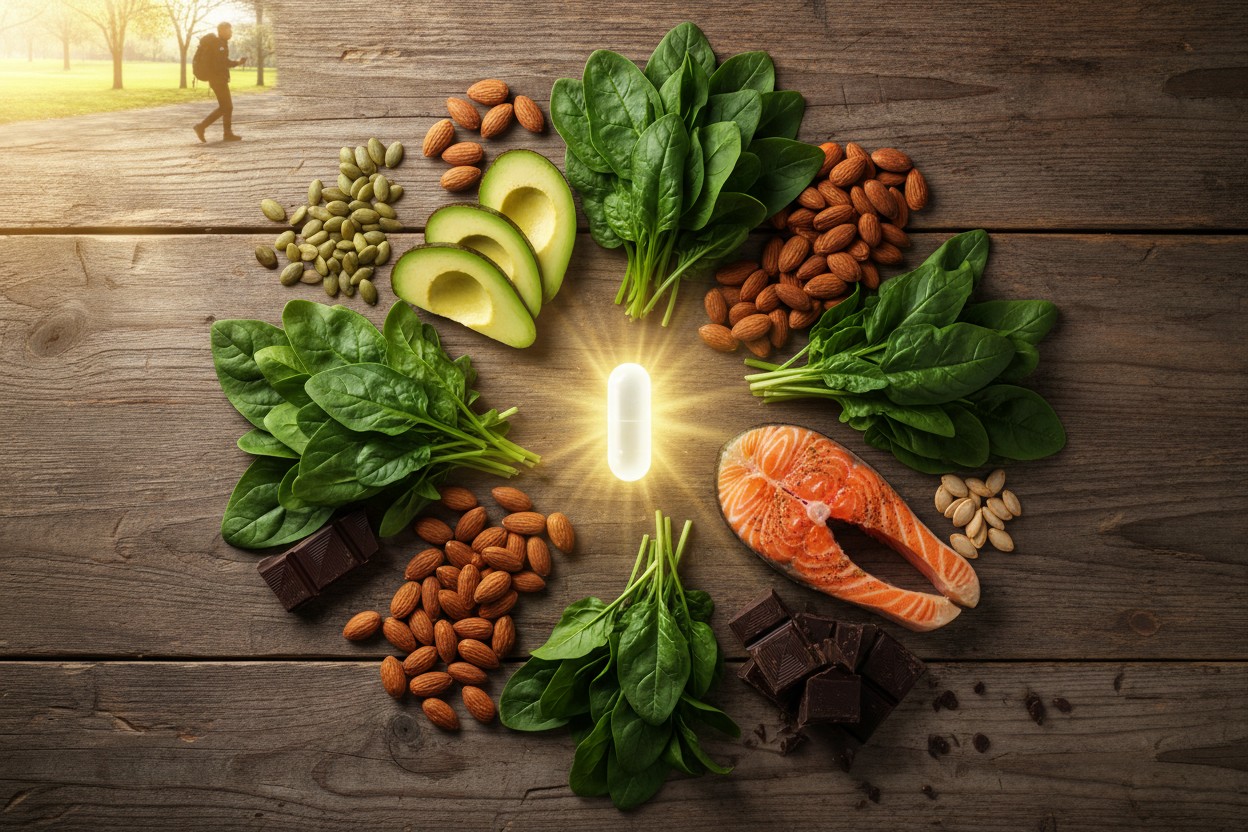
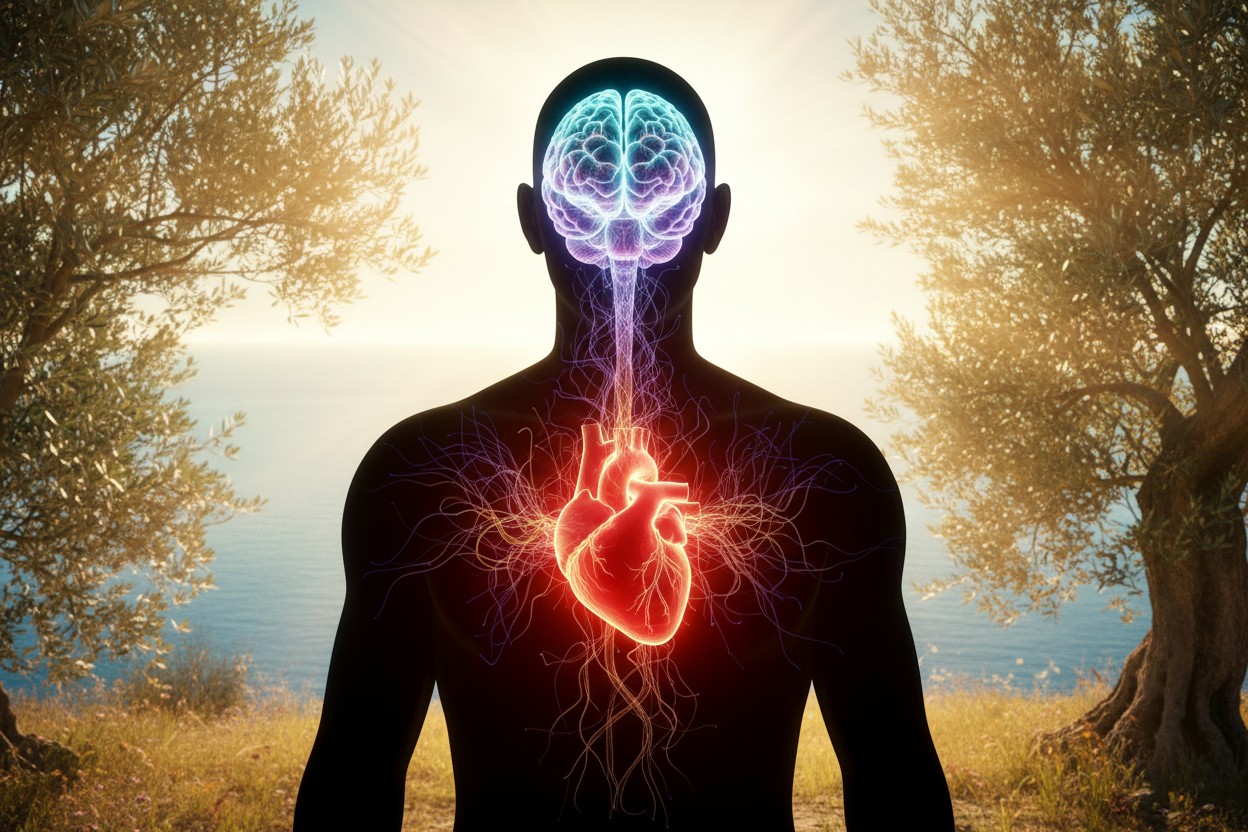
Vitamin C cannot be synthesized by the human body and must come from dietary sources such as citrus fruits, berries, tomatoes, potatoes, and leafy greens, according to background cited in the paper. The brain actively concentrates vitamin C, with levels in the fluid surrounding the brain more than double those in the bloodstream. In the brain, vitamin C acts as an antioxidant, regulates certain chemical reactions, and potentially influences how brain cells communicate.
Dr. Sarah Chen, a nutrition researcher at the University of Tokyo who was not involved in the study, said in a statement that the findings “add to the evidence that adequate vitamin C intake may be one factor in maintaining brain health, but controlled trials are needed to confirm any causal relationship.” While the study does not prove that raising vitamin C levels reverses brain changes, it supports the broader understanding that a nutrient-dense diet — including foods rich in vitamin C — may contribute to preserving brain structure late in life. Some experts recommend a multivitamin alongside a healthy diet to ensure micronutrient sufficiency, as suggested in dietary guidance [2].
References
- Everyday Health. “Vitamin C Levels May Be Tied to Better Brain Health Later in Life.” June 10, 2026.
- Carson, Ralph E. “The brain fix.”
- Mercola.com. “Growing Parsley Plants Indoors.” February 16, 2018.
- Mercola.com. “Growing Meyer Lemons at Home.” August 31, 2018.
- O’Connor, Anahad. “Always follow the elephants.”
Submit a correction >>
Tagged Under:
#nutrition, aging, brain function, brain health, brain structure, cognitive health, discoveries, health science, longevity, men's health, Mind, mind body science, nutrients, prevention, research, supplements, vitamin C, women's health
This article may contain statements that reflect the opinion of the author
RECENT NEWS & ARTICLES