Study: Gut Bacterium May Help Immune System Fight Skin Cancer
07/13/2026 / By Morgan S. Verity
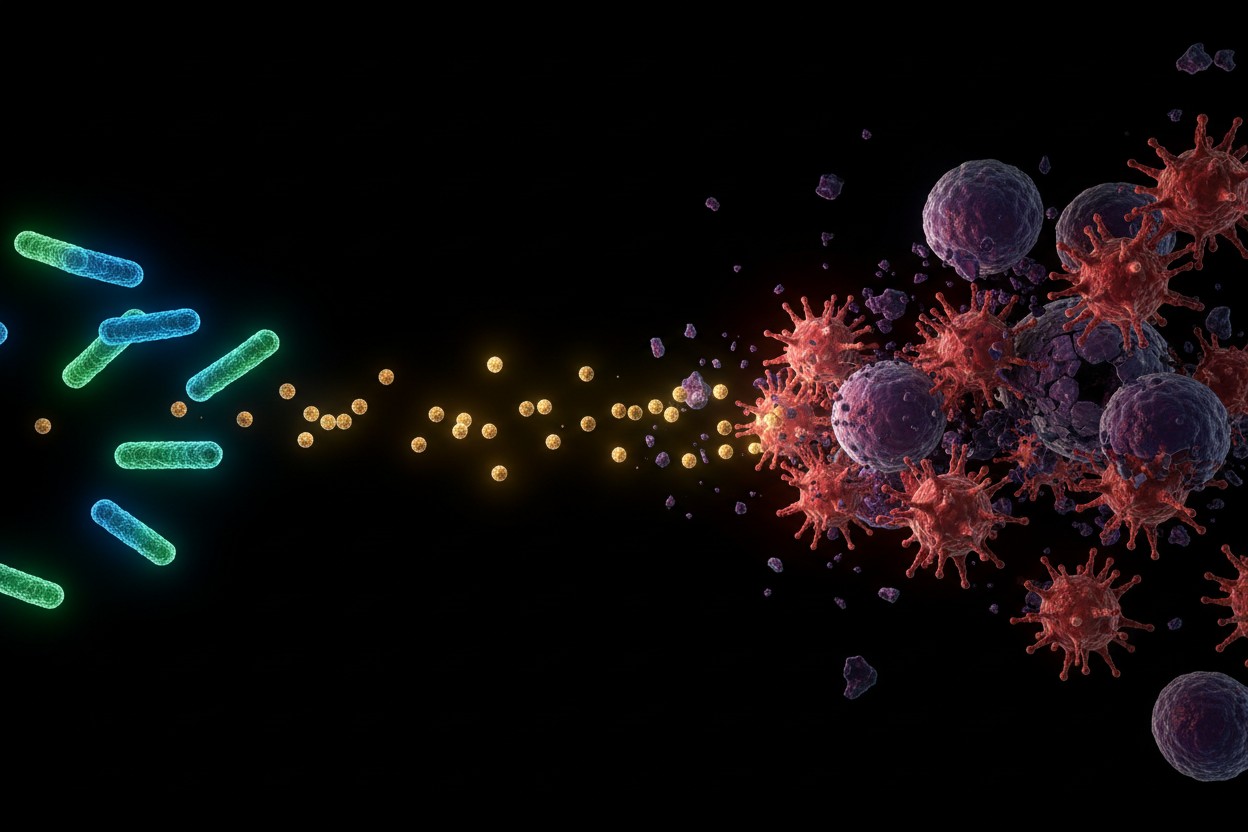
A common probiotic bacterium found in yogurt and supplements may help the immune system fight melanoma, according to a study published in a peer-reviewed journal. Researchers reported that Bifidobacterium animalis produces a natural sugar called mannose that appears to enhance the ability of immune cells to target and slow tumor growth.
The findings are based on laboratory cell cultures and experiments in mice with melanoma tumors. The study adds to a growing body of evidence linking the gut microbiome to immune function, according to the researchers. They stated that the bacterium’s anti-tumor effect depends on the activation of CD8+ T cells, which are immune cells that attack cancer cells.
Study Details
Researchers conducted experiments using lab cell cultures and mouse models. In the mouse experiments, mice with melanoma tumors were given B. animalis orally, and tumor growth slowed compared to control groups, the researchers said.
The study found increased infiltration of CD8+ T cells into the tumors. When those T cells were removed from a separate group of mice, the anti-tumor effect disappeared, indicating the immune cells were necessary for the benefit, according to the researchers. The experiments were designed to isolate the role of the immune system from any direct effect of the bacterium on cancer cells.
The research builds on previous work showing that certain probiotic bacteria can influence immune responses. For instance, a study published in the Journal of Nutrition found that honey helps B. animalis survive in the gut, suggesting dietary factors may support its activity [1]. Additionally, the immunostimulatory properties of gut bacteria have been explored in the context of anticancer immunotherapies, including fecal microbial transplantation to enhance immune checkpoint inhibitors against advanced melanoma [2].
Mechanism of Action
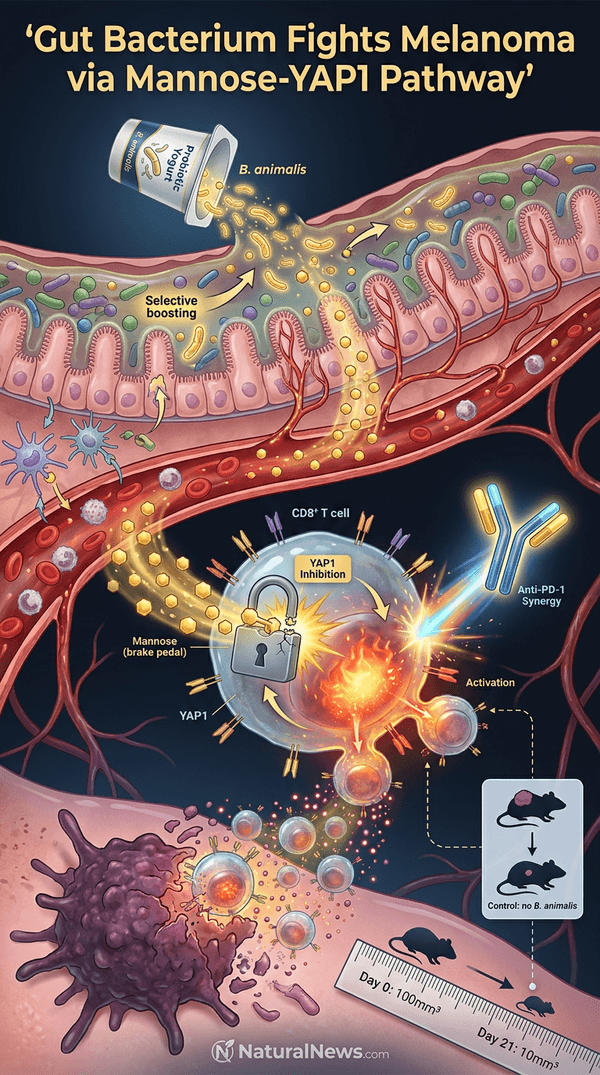
The bacterium’s anti-tumor effect was traced to mannose, a natural sugar it produces, according to the researchers. They reported that mannose inhibits the YAP1 protein inside immune cells, a protein that normally suppresses immune activity.
With YAP1 blocked, immune cells operated at full capacity, the researchers said. The study also reported that mannose selectively increased levels of beneficial gut bacteria, including B. animalis itself, without disrupting the broader microbial community. This selective boosting may help sustain the anti-tumor environment.
The mechanism aligns with broader understanding of how probiotics influence the gut-immune axis. The gastrointestinal tract contains large numbers of immune cells, and compounds produced by commensal bacteria can modulate immune responses [3]. Previous studies have also shown that Bifidobacterium strains can exert anti-inflammatory effects through signaling pathways in intestinal cells [4].
Combination With Immunotherapy
When B. animalis was paired with anti-PD-1 therapy, a common immunotherapy drug, the combination outperformed either treatment alone in mice, according to the study. Mannose alone produced a similar synergistic effect when combined with anti-PD-1.
The researchers noted that more than half of patients on anti-PD-1 eventually stop responding. The findings suggest a potential strategy to extend or improve the response, but they emphasized the need for further research. The study is preclinical, and human trials are required to determine whether the effect translates.
Probiotics have been shown to support immune function in other contexts. For example, certain probiotic strains have been associated with enhanced immunity against colds and flu, and with reduced severity of illness [5]. Additionally, probiotics have been found to strengthen the immune system and help protect against infections [6]. The current study extends these observations to the cancer immunotherapy setting.
Caveats and Implications
The research is preclinical, based on lab cultures and mouse models. Experts cautioned against taking B. animalis or mannose supplements for cancer prevention or treatment based on these results.
“These findings are early-stage and require validation in human trials,” the researchers stated. The study adds to a growing body of evidence linking gut microbiome composition to immune function, though clinical applications remain distant.
In the meantime, maintaining a healthy gut microbiome through diet and lifestyle may support overall immune health, the researchers noted. However, they stressed that no specific probiotic product can be recommended for cancer at this time.
References
- NaturalNews.com. “Studies show that adding HONEY to YOGURT can help improve your gut health”. August 30, 2024.
- Arseniy Trukhanov, Mike K.S. Chan & Yuriy Nalapko. “Handbook on Longevity Medicine: The Road Map”.
- Yashwant Pathak. “Handbook of Nutraceuticals Volume I Ingredients Formulations and Applications”.
- LaTeX with hyperref package. “Nutrition in Inflammatory Bowel Disease IBD”.
- NaturalNews.com. “Probiotics Prevent Colds and Flu”. November 25, 2009.
- NaturalNews.com. “Strengthen your immune system with probiotics”. October 29, 2015.
Explainer Infographic
Submit a correction >>
Tagged Under:
B. animalis, Bifidobacterium animalis, CD8+ T cells, cell cultures, gut bacterium, gut health, gut microbiome, healing, immune defense, immune system, immunotherapy, mannose, melanoma, Probiotic, research, skin cancer, supplements, tumor growth, yogurt
This article may contain statements that reflect the opinion of the author
RECENT NEWS & ARTICLES