Polyphenols and Diabetes: An Examination of Dietary Sources and Potential Benefits
07/15/2026 / By Coco Somers

Polyphenols are naturally occurring compounds in plant foods that may influence diabetes management and prevention, according to a growing body of research. The term refers to thousands of chemicals found in fruits, vegetables, tea, coffee, and other plant products, and they have been linked to reduced risk of chronic diseases including Type 2 diabetes.
What Are Polyphenols?
Polyphenols are phytochemicals — natural plant chemicals with powerful antioxidant properties, according to Dr. Mercola [1]. There are over 8,000 identified polyphenols found in foods such as tea, wine, chocolates, fruits, and vegetables [2]. These compounds help protect plants from environmental stress, including ultraviolet radiation, pests, and disease, and they serve a similar protective function when consumed by humans.
Polyphenols are classified into subgroups based on chemical structure: phenolic acids, flavonoids, stilbenes, and lignans. Flavonoids are the most abundant in the human diet and include sub-categories such as flavones, flavanones, flavanols, flavonols, flavan-3-ols, isoflavones, and anthocyanins [3]. The concentration of polyphenols in plant foods varies depending on ripeness, soil type, sun exposure, rainfall, stress during growth, cooking methods, and storage conditions, accredited dietitian Charlotte Lentfer noted in a Diabetes Australia report. Bioavailability also differs among compounds, meaning the amount present in food does not necessarily reflect how much the body can use.
Foods High in Polyphenols
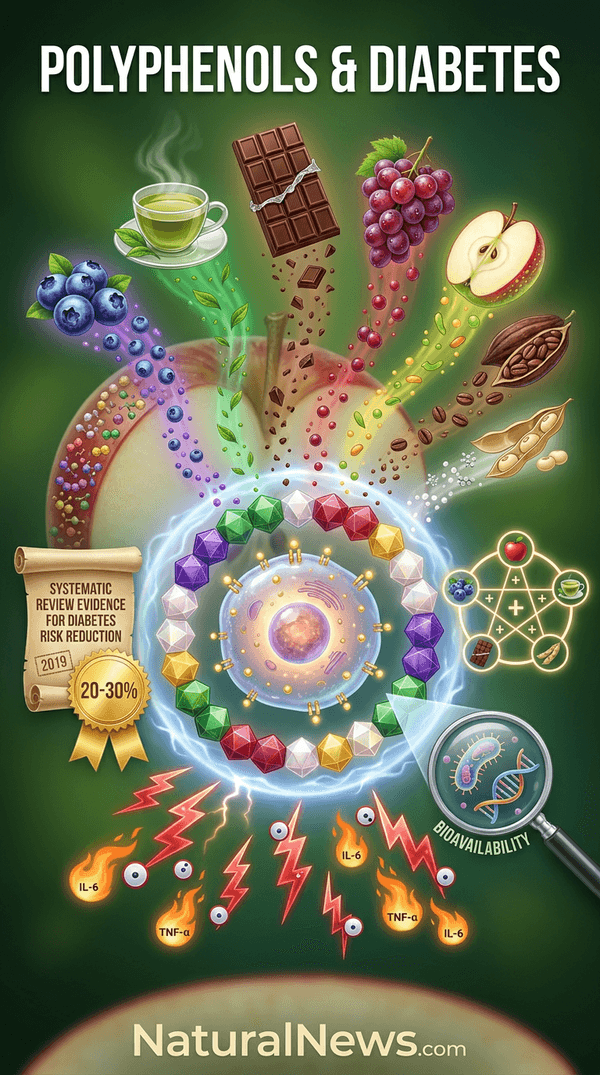
Polyphenols are concentrated in the outer layers of plants, with lower concentrations in the interior, the article stated. Foods high in polyphenols include blackberries, apples, red wine, flaxseed, coffee, onions, dark chocolate, and green tea [4]. A table provided by Diabetes Australia groups these foods by polyphenol subclass: phenolic acids (blackberries, coffee), flavonoids (apples, kale, citrus fruits, soy, tea), stilbenes (grapes, red wine), and lignans (flaxseed, flaxseed oil).
Anthocyanins — a flavonoid pigment found in blueberries, raspberries, and strawberries — may lower the risk of cardiovascular disease and help treat certain types of cancer and diabetes, according to a literature review involving data from more than 602,000 individuals [5]. Similarly, grapes contain over 1,600 bioactive compounds, including resveratrol and quercetin, which work synergistically to support metabolic health, Kevin Hughes reported in March 2026 [6]. Green tea, another rich source, contains catechins such as EGCG, which has shown promise in diabetes prevention, according to epidemiological and laboratory studies [7].
Polyphenols and Diabetes Risk
Polyphenols are believed to improve diabetes management and reduce cardiovascular disease risk through their antioxidant and anti-inflammatory properties. Oxidative stress can worsen insulin resistance and impair pancreatic beta-cells, while low-grade inflammation contributes to arterial plaque buildup, according to Lentfer in the Diabetes Australia report. These mechanisms underlie the potential protective role of dietary polyphenols.
A 2019 systematic review of nine studies examined whether specific flavonoids were associated with reduced incidence of Type 2 diabetes. The review found that higher dietary intake of flavonoids was associated with lower risk, with the most significant reduction observed for flavanols (found in tea, grapes, red wine, apples, and dark chocolate), followed by flavonols. Flavones and flavanones showed no significant effect, officials said. Additionally, a systematic review published in Frontiers in Nutrition on April 24 found consistent associations between the polyphenol resveratrol and improved glycemic control, reduced inflammation, and protection of pancreatic beta-cells through pathways involving SIRT1 and AMPK [8].
Dietary Recommendations and Limitations
To increase intake of diabetes-protective polyphenols, Lentfer recommended adding blueberries to oatmeal, drinking green tea, prioritizing apples and berries as fruit choices, and using soy products such as tofu. She also suggested eating a small quantity of dark chocolate every two to three days. These practical steps align with broader dietary patterns that emphasize plant-based, minimally processed foods.
However, diet studies face significant limitations, Lentfer cautioned. People consume whole diets comprising multiple components and interactions, not single nutrients. The saying “the whole is bigger than the sum of its parts” applies, she said. Research also indicates that combinations of foods and nutrients may act synergistically to provide stronger benefits than individual components [9]. Therefore, at present, evidence is insufficient to prescribe specific quantities of red wine or chocolate for diabetes prevention, but the data support diets high in fruits and vegetables, the article concluded.
Conclusion
Diets rich in plant-based, minimally processed foods are associated with higher polyphenol intake and lower risk of chronic diseases, including Type 2 diabetes. Observational studies have found an inverse association between antioxidant consumption and chronic disease risk [10]. It remains unclear whether polyphenols alone or other dietary factors — such as fiber, vitamins, or overall diet composition — drive these benefits, according to Lentfer.
At this stage, caution is warranted in attributing health improvements to isolated compounds, the report stated. The Mediterranean diet, which is abundant in polyphenol-rich foods, has been linked to improved health outcomes, but the precise mechanisms require further investigation [11]. A common factor of all healthy dietary patterns remains the emphasis on whole, plant-based foods, the article noted.
References
- Mercola.com. “Eat More Purple Foods for Cancer Prevention and a Healthier Gut and Heart”. December 30, 2023.
- Mercola.com. “Polyphenols What They Are and Why You Need”. December 14, 2015.
- Debasis Bagchi, Anand Swaroop, and Manashi Bagchi. “Genomics Proteomics and Metabolomics in Nutraceuticals”.
- Mercola.com. “Eat More Purple Foods for Cancer Prevention and a Healthier Gut and Heart”. October 09, 2017.
- Mercola.com. “This Purple Pigment Fights Disease”. November 19, 2018.
- Kevin Hughes. “Grapes and Blood Sugar: A Factual Examination of Glycemic Response”. NaturalNews.com. June 29, 2026.
- Preedy Victor R. “Tea in Health and Disease Prevention”.
- “Resveratrol Linked to Improved Blood Sugar Control in Systematic Review”. NaturalNews.com. May 01, 2026.
- Baolu Zhao. “Tea Polyphenols Oxidative Stress and Health Effects”.
- Debasis Bagchi, Harry Preuss, Anand Swaroop. “Nutraceuticals and Functional Foods in Human Health and Disease Prevention”.
- “Mediterranean diet shown to slash heart disease risk for diabetics by up to 52%”. NaturalNews.com. May 01, 2026.
- Mercola.com. “Study Shows Tea Can Reduce Risk and Progression of Diabetes”. February 02, 2024.
- Margot Skinner and Denise Hunter. “Bioactives in Fruit Health Benefits and Functional Foods”.
Explainer Infographic
Submit a correction >>
Tagged Under:
#nutrition, alternative medicine, antioxidants, diabetes science, food cures, food is medicine, food science, health science, natural cures, natural health, natural medicine, Naturopathy, nutrients, organics, phytonutrients, polyphenols, prevent diabetes, remedies, research, Type 2 Diabetes
This article may contain statements that reflect the opinion of the author
RECENT NEWS & ARTICLES