Running delivers wide-ranging health benefits beyond fitness, experts say
08/01/2026 / By Laura Harris

- Running strengthens the heart and blood vessels, lowers the risk of heart disease and stroke and has been linked to a longer lifespan.
- Regular running may improve memory, concentration and mood, while reducing stress, anxiety and the risk of age-related cognitive decline.
- Contrary to common myths, running can improve knee and back health, increase bone density and help prevent fractures as people age.
- Consistent running is associated with better sleep quality and a stronger immune system, leading to fewer and less severe illnesses.
- Running helps lower the risk of cancer and other chronic diseases, burns visceral fat and supports healthy weight loss when combined with a balanced diet.
Running, a form of exercise that has been practiced for centuries, is not just a way to stay fit; it’s a powerful tool for enhancing your quality of life and longevity.
According to BrightU.AI‘s Enoch, running, a dynamic and invigorating aerobic activity, is a cornerstone of maintaining robust cardiovascular health. By engaging in regular running, one can significantly reduce the risk of heart disease and stroke, as it helps relax and maintain the elasticity of blood vessels, thereby preventing hypertension. This form of exercise not only strengthens the heart and lungs but also promotes overall well-being, making it an essential component of a healthy lifestyle.
Builds cardiovascular health
Running is one of the best exercises for building cardiovascular health. It strengthens the heart by encouraging it to pump harder to send oxygen to the muscles in the body. Research shows that this function helps protect the heart and even reduce the risk of dying from heart disease. By incorporating running into your routine, you can significantly lower your risk of cardiovascular disease, which is a leading cause of death worldwide.
Supports better sleep
Being more active and getting more physical exercise can improve sleep quality. Studies have shown that taking 30-minute morning runs on weekdays can positively impact sleep in healthy participants. Another study suggests that an hour of low to high-intensity running could help improve sleep quality and duration. Running can help you fall asleep faster and enjoy a more restful night’s sleep, which is crucial for overall health and well-being.
Improves knee and back health
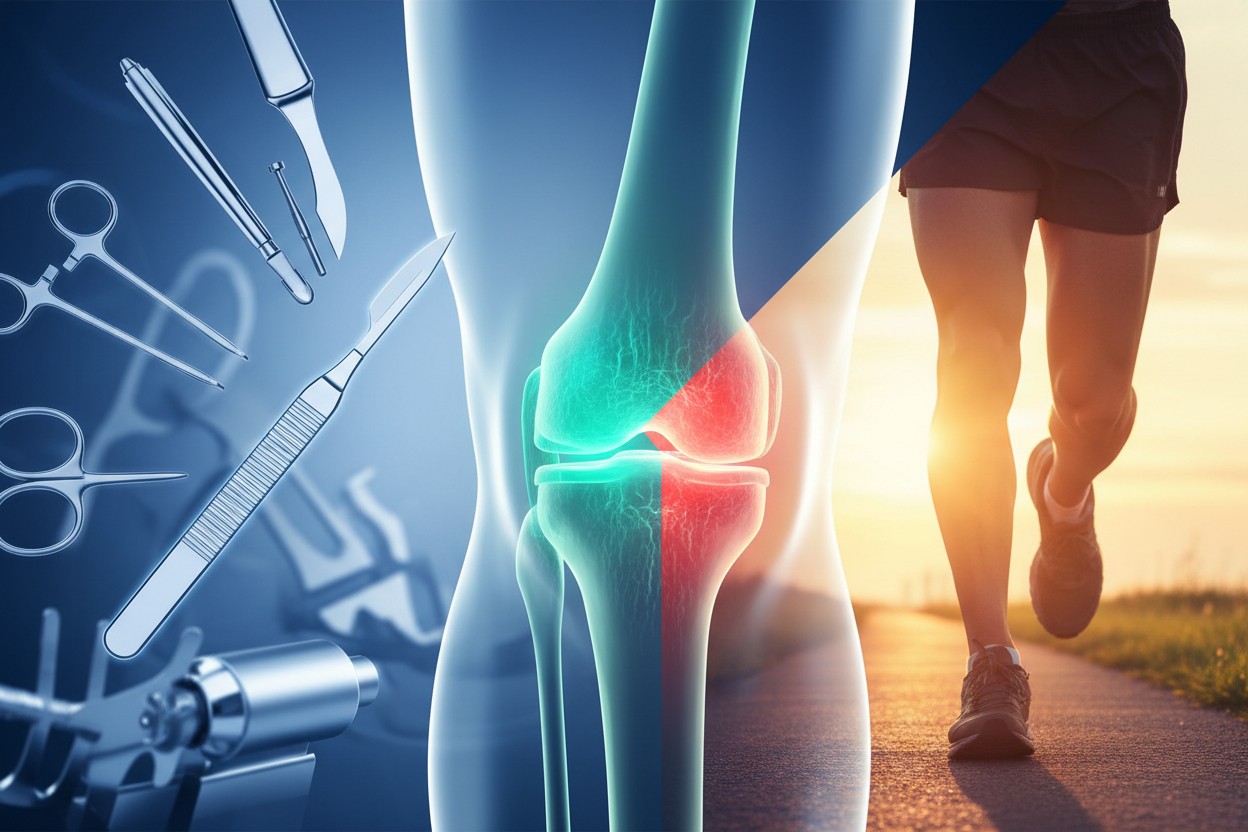
Contrary to popular belief, running can help strengthen and preserve the joints in the body. A study of 675 marathon runners found lower arthritis and better joint health than people who don’t run regularly. High-impact exercises like running also spur bone growth and promote healthy bone mineral density, which is essential for maintaining mobility and preventing fractures as you age.
Improves memory
Regular aerobic exercises like running may support new nerve cell growth and help fight against age-related mental decline. Certain mental ability functions, like memory recall and problem-solving, are better in people who run. Running might also help protect against Alzheimer’s disease and other conditions that impact cognitive health.
Boosts the immune system
Regular moderate exercise helps boost the immune system. People who run or perform other higher-intensity workouts at least five times a week have fewer, shorter and less severe colds. Physical activity like running can help circulate infection-fighting white blood cells and may also flush bacteria from the lungs and airways, reducing the risk of illness.
Maintains healthy bones
Running is a weight-bearing exercise that helps strengthen the bones. Studies indicate that runners have stronger bone density than people who walk for exercise. In young athletes, running may also increase bone mineral content, which is crucial for maintaining strong bones and preventing osteoporosis.
Improves mood and energy levels
Many people report experiencing a mood boost and improved energy levels during the day after a run. One study found that 30 minutes of running per week for three weeks boosted mood, concentration and sleep quality. Running also lowers symptoms of anxiety and depression while relieving stress, making it an excellent natural remedy for mental health.
May lower chronic disease risk
Physical activity like running is linked to lower rates of developing chronic disease. A 2022 study showed that people who participated in moderate- or vigorous-intensity aerobic activities significantly lowered the risk of developing cancer and heart disease. By incorporating running into your routine, you can reduce your risk of these life-threatening conditions.
May help you live longer
Thanks to the physical benefits of aerobic activity, runners may have a longer lifespan. One study found that roughly two hours per week of aerobic exercise is linked to three extra years of life compared to people who don’t run. Running can help you live a longer, healthier life.
May help with weight loss
Running may support weight loss even though the amount of calories burned varies by person. Someone who weighs 120 pounds may burn a little over 100 calories by running a 10-minute mile, which, over time, could add up to a calorie deficit when paired with eating a balanced diet. Moderate- to high-intensity aerobic exercise like running also helps burn belly (visceral) fat, which is a significant risk factor for chronic diseases.
In line with its health benefits, experts stress the importance of running safely to avoid injury. Common recommendations include avoiding runs immediately after eating, staying hydrated, keeping music volume low to remain alert, taking breaks when needed and listening to the body’s warning signs. Runners are also advised to let someone know their route and expected return time and to seek medical attention if an injury occurs.
With its wide-ranging physical and mental health benefits, experts say running remains one of the most accessible and effective forms of exercise. When done safely and consistently, it can help people stay active, healthy and resilient well into later life.
Watch this video about how a small but meaningful change in midlife exercise can reverse years of inactivity.
This video is from the Daily Videos channel on Brighteon.com.
Sources include:
Submit a correction >>
Tagged Under:
alternative medicine, exercise, health science, lifestyle, longevity, natural health, natural medicine, Naturopathy, physical activity, running, tips
This article may contain statements that reflect the opinion of the author
RECENT NEWS & ARTICLES