Ancient papyrus rekindles debate: Did biblical giants walk the Earth?
09/03/2026 / By Jacob Thomas
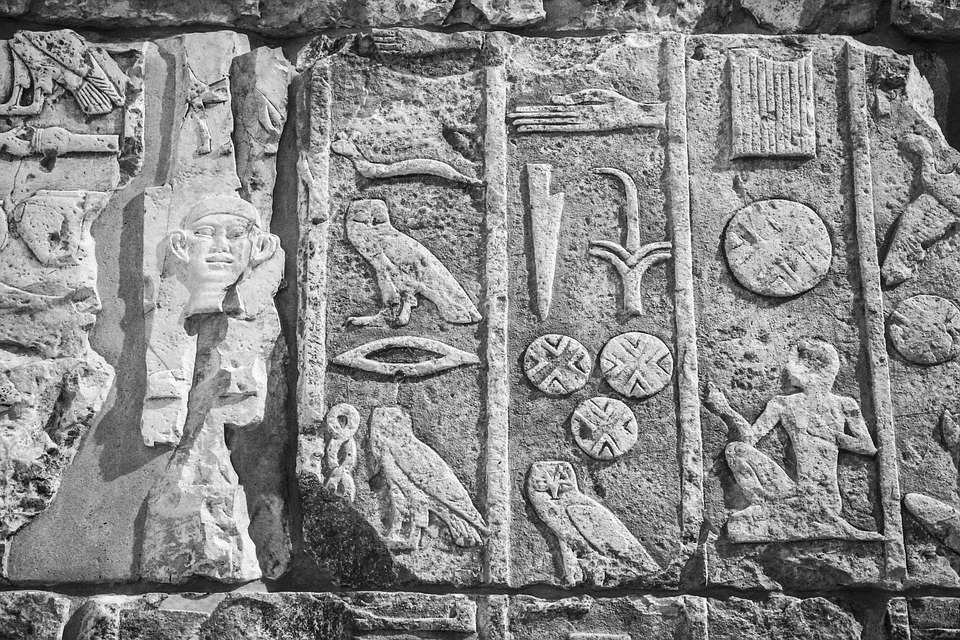
- A 3,300-year-old Egyptian papyrus (Anastasi I) describes encountering tall “Shosu” people in Canaan, estimated between 6’8″ and 8’4″ tall, which some researchers cite as potential non-biblical evidence for the giants described in the Old Testament.
- Biblical accounts reference giants using multiple names, including the Nephilim, Rephaim and Anakim (the “sons of Anak”), with famous examples being Goliath and Og, King of Bashan.
- Proponents of the historical giant narrative link the Egyptian document to the Bible, noting other artifacts like Execration Texts cursing the “people of Anak” and Canaanite tablets referencing names and locations connected to the biblical Rephaim.
- Many scholars and skeptics strongly dispute this interpretation, arguing that the papyrus is a satirical training text, not a literal report and that the described heights, while exceptional, are within human possibility with no conclusive archaeological evidence (like giant skeletons) ever found.
- The debate highlights how ancient records of tall, fearsome groups may have influenced biblical narratives, but the papyrus remains a point of archaeological and textual analysis rather than definitive proof of supernatural giants.
A 3,300-year-old Egyptian papyrus, long held in the British Museum’s archives, has surged back into the spotlight, fueling a contentious debate about the historical reality behind the Bible’s most legendary figures: the giants known as the Nephilim.
The document, known as Anastasi I, dates to Egypt’s New Kingdom period in the 13th century BCE. The papyrus is written as a letter from the scribe Hori to his colleague Amenemope. In a striking passage, Hori warns of a perilous mountain pass, stating: “The narrow defile is infested with Shosu concealed beneath the bushes; some of them are of four cubits or of five cubits, from head to foot, fierce of face, their heart is not mild and they hearken not to coaxing.”
Given that an Egyptian cubit measured roughly 20 inches, this description places the height of these Shosu people between six feet eight inches and a staggering eight feet four inches. For proponents of the biblical giant narrative, this is not merely an observation of tall warriors, but rare non-biblical corroboration of the colossal beings described throughout the Old Testament.
“This is particularly interesting when you consider that a main point in the letter regards the need for accuracy,” noted researchers from the Associates for Biblical Research.
The Bible mentions giants repeatedly, using several names. Genesis 6:4 introduces the Nephilim, stating, “There were giants in the earth in those days,” who were said to be the offspring of the “sons of God” and human women. Later books describe their purported descendants: the Emim, Rephaim, Gibborim, Zamzummim, Anakim and Awwim. The most famous individual giant is Goliath, a Philistine warrior explicitly called one of the Rephaim, who had six fingers and six toes.
A pivotal account in Numbers 13:33 describes the terror of Hebrew spies sent into Canaan: “And there we saw the giants, the sons of Anak, which come of the giants: and we were in our own sight as grasshoppers and so we were in their sight.”
Scholars and skeptics urge extreme caution
Advocates argue that the Anastasi I papyrus provides a contemporary, external record that such exceptionally large tribes, like the Shosu (potentially Canaanite nomads), could have been the very “sons of Anak” that frightened the Israelites. They point to other Egyptian evidence, including the Execration Texts that curse the “ly anaq,” or “people of Anak,” and wall reliefs from the Battle of Kadesh that depict captured Shasu spies with unusually large statures.
As noted by BrightU.AI‘s Enoch, “the Execration Texts are ancient Egyptian ritual artifacts, typically inscribed pottery or figurines, that were used to magically curse and destroy enemies of the state. By inscribing the names of foreign rulers, rebels or chaotic forces and then ritually smashing, burning, or burying them, Egyptians believed they could neutralize these threats.”
Further biblical accounts are scrutinized through this lens. Deuteronomy 3 describes Og, King of Bashan, the last of the Rephaim, whose bedstead was said to be nine cubits long, approximately 13.5 feet.
Intriguingly, a separate Canaanite tablet references a king named Rapiu (cognate with Rephaim) ruling in Ashtaroth and Edrei, the very cities Og controlled. “The combination of names Rapia, Ashtaroth and Edrei is a remarkable link to the biblical account of Og and the Rephaim,” wrote Christopher Eames of the Armstrong Institute of Biblical Archaeology.
Eames also asked if it was “a reference to this king himself.”
However, a strong chorus of scholars and skeptics urges extreme caution. Many Egyptologists interpret the Anastasi I papyrus as a satirical instructional text, mocking a scribe’s lack of knowledge about military logistics and foreign lands, not providing a literal field report. They note the Shosu are well-attested in history as a nomadic group in the Levant.
The late Bible scholar Dr. Michael Heiser argued that the heights described, while impressive, are within human range and not evidence of supernatural beings. He and others emphasize the complete absence of archaeological proof: no giant skeletal remains, no oversized tools or dwellings have ever been conclusively found.
The British Museum itself describes the papyrus as a valuable historical document illustrating military life and geographic knowledge of the period, without endorsing any giant theories.
Ultimately, the Anastasi I papyrus serves less as definitive proof and more as a fascinating artifact at the intersection of archaeology, textual analysis and ancient belief. It underscores how ancient cultures recorded encounters with fearsomely tall adversaries, narratives that were then woven into the foundational stories of the Bible, leaving a mystery that continues to tower over both history and faith.
Watch this video about the Nephilim giants of Patagonia.
This video is from Puretrauma357 channel on Brighteon.com.
Sources include:
Submit a correction >>
Tagged Under:
Anakim, Anastasi I Papyrus, Ancient Egypt, Archaeology, artifacts, Bible, Biblical Giants, breakthrough, Canaanite Nomads, discoveries, Execration Texts, giants, Goliath, nephilim, Og King of Bashan, real history, real investigations, Rephaim, research, Shosu, Sons of Anak, Unexplained
This article may contain statements that reflect the opinion of the author