Professor warns blue light from LEDs, screens is an “invisible killer” linked to cancer, eye damage
02/18/2026 / By Cassie B.
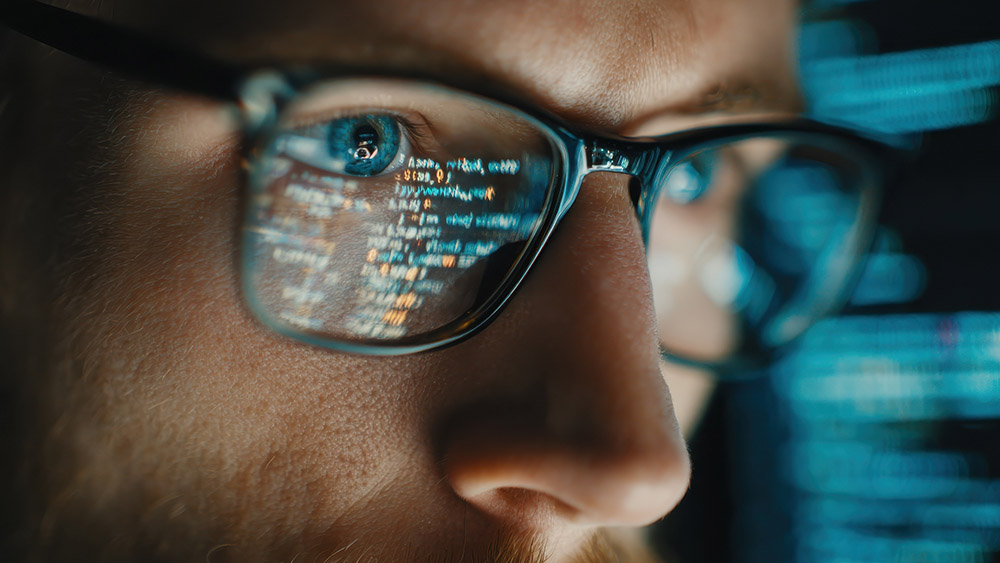
- Blue light from screens and LEDs acts as a slow poison for health.
- It causes retinal damage through increased oxidative stress in the eyes.
- It severely disrupts circadian rhythms by suppressing melatonin.
- This disruption is linked to higher risks of cancer and neurodegenerative diseases.
- Simple fixes like warm lighting and blue-blocking glasses offer protection.
In a world bathed in the cool glow of LEDs and digital screens, a warning from Taiwan cuts through the glare. A materials science professor is detailing how the very light that powers our modern life may be a slow-acting poison, contributing to a cascade of health problems from damaged eyesight to cancer. This is not merely about eye strain. It is about the fundamental biological disruption caused by prolonged exposure to high-energy blue light, and the urgent, simple steps we can take to protect ourselves.
Professor Jou Jwo-Huei of National Tsinghua University states that some modern light sources act as “invisible killers” of health. He links excessive exposure to bright or blue light not only to eye disease but also to endocrine system havoc, insomnia, and increased cancer risk. His analysis moves the conversation far beyond temporary discomfort.
The retinal assault
The threat begins with the eyes. Jou explains that vision is a biochemical process where light signals are converted into electrical signals by retinal cells. This process naturally generates oxidative stress. Blue light, however, carries higher energy than other visible light. This places greater metabolic demands on photoreceptor cells, leading to increased oxidative stress and a higher risk of cumulative retinal damage. He notes that prolonged close-up work under intense light keeps specific visual cells overworked, contributing to inflammation and myopia.
The professor is particularly critical of LED and fluorescent lighting. He calls fluorescent lights “the worst light source invented by mankind” due to their high content of damaging blue, violet, and even ultraviolet light. He shared an anecdote from his own university lab where an assistant’s persistent eye pain was finally resolved not with eye drops, but with blue-light-blocking glasses, after LED lights were identified as the culprit.
Disrupting the body’s core rhythm
The damage does not stop at the eyes. The primary mechanism for body-wide harm is the suppression of melatonin, the sleep-regulating hormone. Blue light is a potent suppressor of this crucial hormone. Exposure to light at night throws the body’s circadian rhythm out of balance. This disruption of our biological clock is a serious matter.
Research connects this circadian disruption to profound health risks. A long-term Harvard study of female nurses found a potential link between exposure to light at night and an increased risk of invasive breast cancer. Professor Jou adds that long-term blue light exposure may lead to endocrine disorders, neurodegeneration, an increased risk of Alzheimer’s disease, and other illnesses.
The evidence suggests our pursuit of energy efficiency and digital connectivity has inadvertently created a toxic light environment.
Practical protections are within reach
The good news is that protection is straightforward and does not require abandoning technology. Experts from multiple sources converge on simple, effective strategies. Professor Jou recommends ditching cool-toned LEDs and fluorescents for warm-colored lighting. He dispels the myth that reading requires intensely bright light, suggesting an ideal brightness is surprisingly low, akin to the glow from two candles.
For screen use, the advice is consistent. Use built-in device features like Night Shift mode or apps that filter blue wavelengths, especially in the evening. The Harvard researchers note that wearing blue-blocking glasses in the evening can effectively mitigate melatonin suppression, a tip echoed for shift workers and night owls. The 20-20-20 rule taking a break every 20 minutes to look at something 20 feet away for 20 seconds is recommended to combat digital eye strain.
We have willingly flooded our homes and offices with a wavelength of light that our ancestors encountered only from the midday sun. Now, the science is revealing the cost of that perpetual electronic noon. The choice is becoming clear: we can continue to bask in the hazardous glow of convenience, or we can make simple adjustments to align our environment with our biology. The solutions are on the table, and they are as simple as changing a lightbulb, donning a pair of glasses, or dimming a screen. Our long-term health may depend on choosing the softer light.
Sources for this article include:
Submit a correction >>
Tagged Under:
blue light, cancer, eye health, Glitch, LED, melatonin, myopia, retinal damage, vision
This article may contain statements that reflect the opinion of the author
RECENT NEWS & ARTICLES