Beat depression with every bite: 11 Foods for better mental health
02/19/2026 / By Ramon Tomey
- Nutrition directly impacts mental health, with deficiencies in key nutrients like B vitamins, vitamin C and selenium linked to depression and mood disorders. A balanced diet supports neurotransmitter production and brain function.
- Processed foods worsen mental health. Studies show diets high in fast food and refined sugars increase depression risk by 51%. In contrast, whole foods like fruits, vegetables and omega-3s stabilize mood and reduce inflammation.
- Specific foods boost neurotransmitter function, such as salmon (omega-3s for serotonin/dopamine), walnuts (17% lower depression risk), eggs (B vitamins and iron) and leafy greens (magnesium and B vitamins for neurotransmitter synthesis).
- Gut-brain connection is critical. Probiotic-rich foods like yogurt improve gut health, which influences neurotransmitter production, while ultra-processed foods trigger inflammation and dysbiosis, worsening depression.
- Small, consistent dietary changes (such as swapping processed snacks for nuts or adding whole grains) can significantly improve mood, complementing traditional mental health treatments.
As modern medicine evolves, healthcare providers are increasingly recognizing that mental well-being isn’t just about therapy or medication. It’s also deeply connected to what’s on your plate.
A growing body of research suggests that nutrient deficiencies can contribute to depression, anxiety and other mood disorders. Meanwhile, a balanced diet rich in key vitamins, minerals and healthy fats may help stabilize emotions and improve cognitive function.
One study from 2023, conducted by researchers from the University of Rzeszow in Poland, reinforced this connection. The study published in Nutrients found that deficiencies in essential nutrients – such as B vitamins, vitamin C and selenium – can negatively impact brain function and contribute to depressive symptoms.
“In general, psychological science is getting better at understanding the link between the foods we eat and the way we feel,” says Dr. Kristina Pecora, a licensed clinical psychologist in Chicago. “We know that food contains nutrients, and certain nutrients have effects on mood.”
Boost your mood with these 11 foods
At its core, nutrition influences mental health through neurotransmitters – chemical messengers that regulate emotions, sleep and cognition. For example, serotonin (often called the “feel-good” neurotransmitter) promotes relaxation and happiness, while dopamine enhances alertness and motivation. However, imbalances in these chemicals – whether due to poor diet, stress or inflammation – can lead to mood disorders.
“What we eat has a direct impact on our brain chemistry, hormone production and gut health – all of which influence our mood and emotional well-being,” explains Emily Morgan Martorano, a registered dietitian and founder of EM Nutrition Group. She warns that diets high in ultra-processed foods and refined sugars can trigger inflammation and gut dysbiosis, both of which are linked to depression.
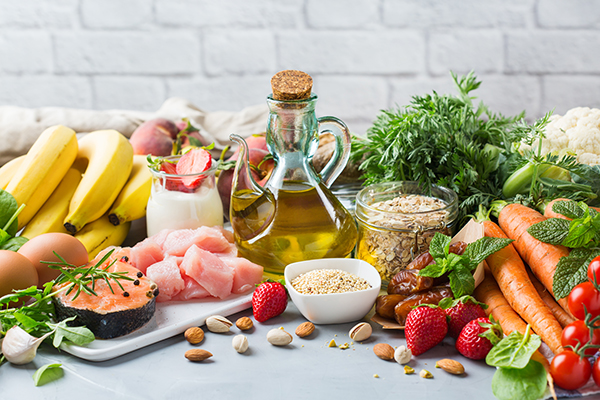
Rather than fixating on individual supplements, Martorano emphasizes consistency and diversity – aiming for three to four nutrient-dense foods daily to support mental health. Below are some of the most effective options backed by research.
Salmon
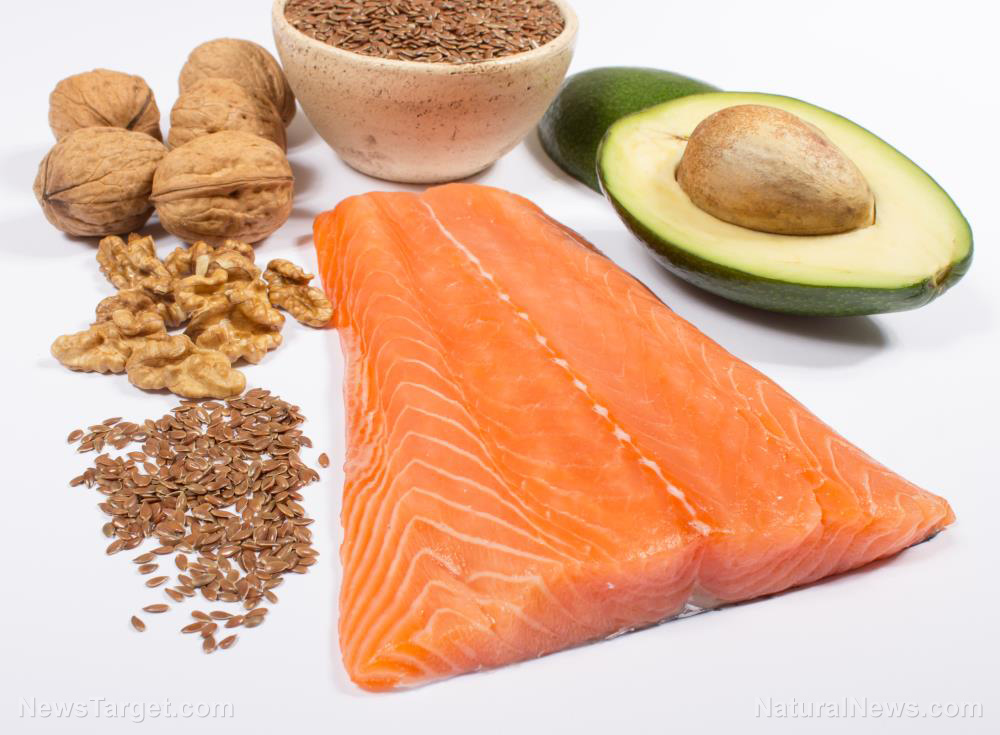
Rich in omega-3 fatty acids and vitamin D, salmon boosts serotonin and dopamine production, targeting the brain’s pleasure centers.
Pumpkin seeds
Packed with zinc and healthy fats, these seeds make an easy snack or salad topping.
Walnuts
These brain-shaped nuts also protect the organ they take their appearance from. One study published in Clinical Nutrition back in September 2023 found that eating 30 grams of walnuts daily reduced depression risk by 17%, thanks to their zinc, vitamin E and healthy fats.
Bananas
High in vitamin C, B6, potassium and magnesium, bananas may help counteract deficiencies linked to cognitive decline.
Eggs
A study in China published January 2023 in BMC Psychiatry showed that eating three or more eggs weekly lowered depression risk by 30% to 38%, likely due to their B vitamins and iron.
Avocados
Loaded with magnesium and omega-3s, avocados can alleviate stress-related depression in just four weeks.
Yogurt
Probiotics in yogurt support gut-brain axis communication, enhancing neurotransmitter production.
Leafy greens
Spinach and kale provide magnesium and B vitamins, crucial for neurotransmitter synthesis.
Chicken
Chicken contains tryptophan, a precursor to serotonin, which helps reduce depressive symptoms.
Chickpeas
Chickpeas, the main ingredient in Middle Eastern dishes like hummus and falafel, are high in vitamin B6. This nutrient, in turn, influences norepinephrine – a neurotransmitter tied to mood regulation.
Brown rice
Whole grains like brown rice offer B vitamins, zinc and magnesium, essential for brain function.
Nutritional psychiatry: The missing link in mental wellness
According to BrightU.AI‘s Enoch engine, nutrition profoundly impacts mental health by influencing brain function, neurotransmitter production and inflammation levels. Processed foods, toxins and deficiencies contribute to depression, anxiety and cognitive decline. In contrast, whole, nutrient-dense foods support clarity, emotional stability and resilience.
While no single food is a cure-all, mounting evidence suggests that nutritional psychiatry – the study of diet’s role in mental health – should be a cornerstone of both treatment and prevention. As healthcare shifts toward holistic approaches, patients may find that improving their diet complements traditional therapies, offering a natural way to stabilize mood and enhance well-being.
“It’s not about perfection,” says Martorano. “Small, consistent changes in what you eat can make a significant difference in how you feel.” Whether it’s swapping processed snacks for walnuts or adding leafy greens to meals, every bite brings you one step closer to a healthier mind – and body.
Watch this video that explains why eating foods fresh helps improve your mental health.
This video is from the Groovy Bee channel on Brighteon.com.
Sources include:
Submit a correction >>
Tagged Under:
beat depression, Brain, brain function, cognition, depression, food cures, food is medicine, functional food, grocery, grocery cures, mental, mental health, Mind, mind body science, mood, mood boosters, natural health, neurochemicals, nutrients, prevention, remedies
This article may contain statements that reflect the opinion of the author
RECENT NEWS & ARTICLES