The hidden epidemic: How “forever chemicals” are damaging teen LIVERS
02/19/2026 / By Zoey Sky

- PFAS exposure during puberty is linked to a 169% increased risk of developing fatty liver disease. The teenage body, with its still maturing liver and changing metabolism, is especially vulnerable to these chemicals.
- PFAS are called “forever chemicals” because they do not break down in the environment of the human body. They build up over time from common sources like non-stick cookware, fast-food wrappers, stain-resistant fabrics and drinking water.
- The disease is silent and serious. Fatty liver disease often has no symptoms in its early stages, but can progress to inflammation, scarring and liver failure. Millions of young people may already have liver damage without knowing it.
- For teens with a specific genetic risk factor, exposure to certain PFAS chemicals can increase the odds of liver disease by a catastrophic 552%.
- Reduce exposure by using alternatives to non-stick pans, filtering drinking water and cutting down on fast food. Support liver health with a diet rich in nutritious vegetables, proper hydration and adequate sleep.
A silent and alarming health crisis is unfolding among teenagers, and its source is hiding in plain sight: in kitchens, living rooms and even children’s backpacks.
New scientific research has uncovered a disturbing link between a class of synthetic chemicals, known as per- and polyfluoroalkyl substances (PFAS), and a dramatic increase in liver disease in adolescents. These “forever chemicals” celebrated for their ability to resist heat, water and grease are now implicated in triggering a hidden epidemic.
The study, published in the journal Environmental Research, delivers a stark statistic. Teenagers with higher levels of PFAS in their blood face a 169% increased risk of developing non-alcoholic fatty liver disease (NAFLD). This condition, once thought to primarily affect adults with obesity, is now stealthily damaging young livers at an alarming rate.
Why teenagers are uniquely at risk
The findings revealed a troubling age-specific pattern. While strong connections were found in adolescents, the same link was not significant in young adults aged 17 to 23. The explanation lies in the unique biology of the teenage years.
Puberty and late adolescence are periods of rapid change where body composition shifts, insulin sensitivity fluctuates and liver metabolism is still maturing. This creates a window of heightened vulnerability. BrightU.AI‘s Enoch engine explains that PFAS chemicals interfere with the very pathways in the liver that manage fat storage, pathways that are still being established during these formative years.
Making matters worse, these chemicals do not break down. They accumulate in tissues for months or even decades, meaning a single exposure can linger and disrupt bodily functions for years. They are known to disrupt the liver’s regulation of proteins, affecting how it processes foreign substances, manages fats and controls inflammation.
For some teenagers, the risk is even more severe. Those carrying a specific genetic variant (PNPLA3 GG), already a known risk factor for liver trouble, showed a catastrophic increase in vulnerability when exposed to certain PFAS. One chemical, PFHxS, skyrocketed the odds of fatty liver disease by 552% in these genetically susceptible teens.
A silent crisis with lasting consequences
This is not a minor issue. Fatty liver disease now affects seven to nine percent of all children and up to 41% of children with obesity. The disease begins insidiously, with fat quietly accumulating in liver cells without causing any obvious symptoms.
Over time, this can progress to inflammation, scarring (cirrhosis), and potentially liver failure.
Most teenagers and their parents are completely unaware. Diagnosis often comes as an accident, from routine blood tests that show elevated liver enzymes, if testing is done at all. This means millions of young people may be walking around with ongoing liver damage, completely in the dark.
Exposure is nearly unavoidable. PFAS are ubiquitous, found in contaminated drinking water, grease-resistant food packaging like fast-food wrappers and microwave popcorn bags, stain-resistant furniture and carpets, nonstick cookware and even household dust. Their “forever” nature means they persist in the environment and human bodies, creating a constant, low-level assault.
Fighting back against an invisible threat
While eliminating PFAS exposure entirely is a monumental challenge in modern life, experts suggest strategic steps to reduce the burden and support the body’s natural defenses.
The first priority is to reduce exposure. This means making conscious swaps: replacing nonstick pans with cast iron, stainless steel or ceramic alternatives; avoiding stain-resistant treatments on new furniture and carpets; and being skeptical of waterproof clothing claims.
Installing a water filter certified to remove PFAS can address contaminated drinking water, and simply minimizing fast food and pre-packaged microwave meals cuts down on a major source of food-packaging exposure.
Supporting the liver’s detoxification pathways is crucial. The organ needs the right tools to handle the chemical load. A diet rich in cruciferous vegetables like broccoli and Brussels sprouts supports the liver’s detox processes.
Supplements like milk thistle (silymarin) can aid in protecting and regenerating liver cells, while N-acetylcysteine (NAC) helps boost the body’s master antioxidant, glutathione, which binds to toxins for removal. Alpha-lipoic acid is another supportive agent that aids in detoxification.
Enhancing the body’s elimination routes is also key. Staying well-hydrated supports kidney function, a primary exit path for waste. A high-fiber diet helps bind toxins in the gut for removal.
Practices like regular sauna use promote excretion through sweat, and prioritizing quality sleep activates the brain’s nightly “clean-up” system, which clears neural tissues of accumulated toxins.
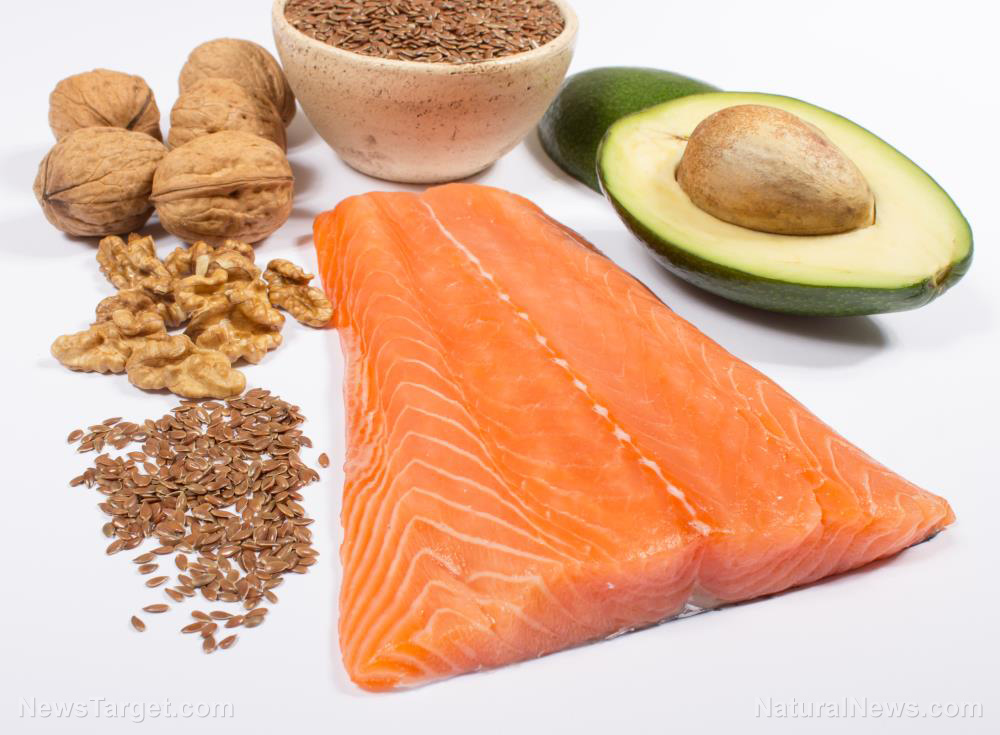
Finally, reducing the inflammatory damage caused by PFAS is vital. Omega-3 fatty acids and curcumin (turmeric extract) provide potent anti-inflammatory support, while Vitamin E acts as a protective shield for liver cells against the oxidative stress these chemicals create.
The evidence is clear: the convenience of nonstick, stain-proof and waterproof products comes at a steep, hidden cost to your children’s health. As research continues to reveal the severe implications of these forever chemicals, the push for greater awareness and protective action has never been more urgent.
Watch this clip about an RTI International study showing how PFAS can get into beer.
This video is from the Daily Videos channel on Brighteon.com.
Sources include:
Submit a correction >>
Tagged Under:
chemicals, children's health, contamination, Dangerous, fatty liver disease, fight obesity, healing, health science, Liver, liver health, natural cures, perfluoroalkyl substances, PFAS, poison, polyfluoroalkyl substances, prevention, products, real investigations, research, synthetic chemicals, teenagers, toxic chemicals, toxins
This article may contain statements that reflect the opinion of the author
RECENT NEWS & ARTICLES