Ancient ice cave bacterium frozen for 5,000 years shows resistance to modern antibiotics
02/24/2026 / By Cassie B.
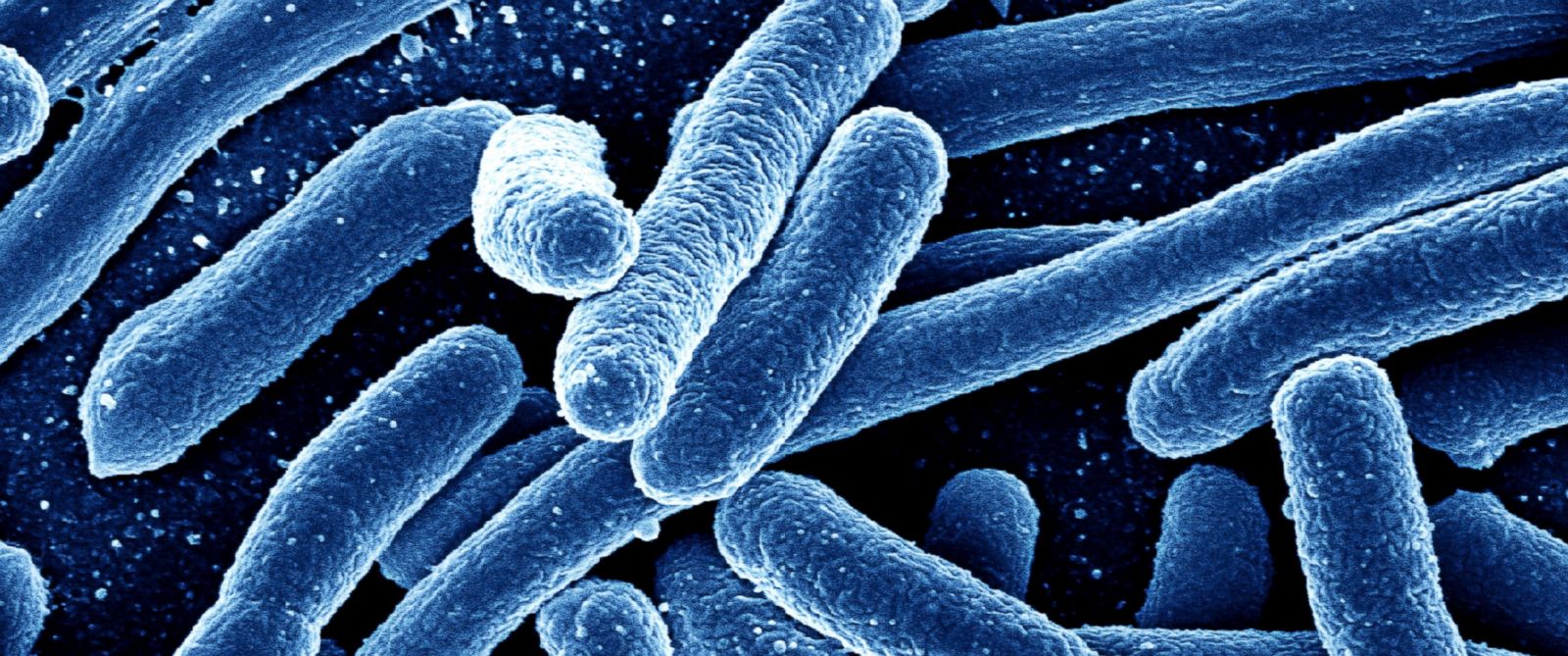
- Antibiotic resistance is a natural phenomenon ancient bacteria possessed.
- Modern overuse has dangerously accelerated this global health crisis.
- Resistant genes can spread from melting ice to modern bacteria.
- This disrupts ancient ecological balances and amplifies existing threats.
- Our survival requires reevaluating our relationship with the microbial world.
A bacterium frozen in time for five millennia has delivered a chilling message to modern medicine. Deep within a Romanian ice cave, scientists have awakened a microbial relic that shrugs off some of our most potent antibiotics, proving this global health crisis is a natural phenomenon humanity has dangerously accelerated.
Researchers drilling a 25-meter ice core in the Scarisoara Ice Cave uncovered a bacterial strain called Psychrobacter SC65A.3, preserved for approximately 5,000 years. In laboratory tests, this ancient organism demonstrated resistance to 10 modern antibiotics, including last-resort drugs like vancomycin and frontline fighters like ciprofloxacin. The findings, published in Frontiers in Microbiology, force a reckoning with the true origins of antibiotic resistance.
“The 10 antibiotics we found resistance to are widely used in oral and injectable therapies used to treat a range of serious bacterial infections in clinical practice,” said Dr. Cristina Purcarea, senior scientist at the Institute of Biology Bucharest of the Romanian Academy, in a statement.
A deep history of resistance
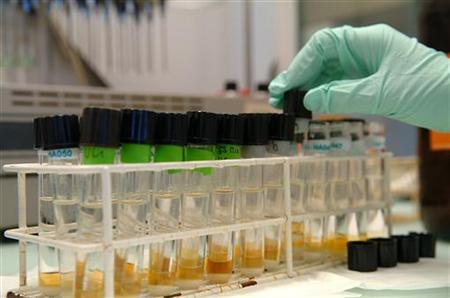
The team tested the strain against 28 antibiotics from 10 drug classes. Genetic analysis revealed more than 100 genes linked to antibiotic resistance. This complex defense arsenal existed long before the first pharmaceutical antibiotic was ever synthesized.
“Studying microbes such as Psychrobacter SC65A.3 retrieved from millennia-old ice cave deposits reveals how antibiotic resistance evolved naturally in the environment, long before modern antibiotics were ever used,” Purcarea explained.
This discovery shatters the simplistic narrative that resistance is solely a product of modern drug overuse. Bacteria have been engaged in a chemical arms race for millions of years, producing and resisting antibacterial compounds as part of Earth’s natural ecology. Our industrial-scale use of antibiotics in medicine, factory farming, and agriculture has simply applied an unprecedented selective pressure, supercharging this ancient process and spreading resistant genes across the globe at catastrophic speed.
A frozen warning
The study carries significant limitations and notes this specific strain poses no known threat to humans. However, it serves as a warning. The bacterium also showed resistance to trimethoprim, clindamycin and metronidazole, drugs used to treat lung, skin, and urinary tract infections.
Purcarea highlighted a dual-edged reality. “If melting ice releases these microbes, these genes could spread to modern bacteria, adding to the global challenge of antibiotic resistance,” she said. Hot temperatures threaten to unlock ancient genetic libraries of resistance from ice caps and permafrost, potentially pouring gasoline on a public health fire we are already struggling to contain.
Resistant bacteria already move freely between species and ecosystems. As noted in prior research, resistant E. coli from livestock, antibiotics from fish farms, and drug residues in water systems amplify resistance traits throughout the environment. We have detected common antibiotics in our ground and surface waters. Wild geese near Chicago carry resistance to multiple drugs. The web of resistance is vast and interconnected.
The Scarisoara bacterium is a reminder that we are not fighting a new enemy but disrupting an ancient balance. For decades, a warped view of bacteria as simple enemies to be eradicated has guided policy. This has led to ecosystems in disarray, with our internal microbiomes and soil health damaged, and pathogens more virulent than ever.
We need to recognize that bacteria are ancestral parts of a living planetary system, not just targets. While this ancient strain may also hold promise for new biotechnological discoveries, its primary lesson is one of caution. Our technological hubris has consequences woven into the very fabric of life.
Reevaluating our relationship with the microbial world is no longer just a scientific interest. It is a prerequisite for our continued health and survival on this planet. The bacteria frozen in that Romanian cave are not a threat in themselves, but they are a clear reflection of the powerful and ancient forces we have so carelessly unleashed.
Sources for this article include:
Submit a correction >>
Tagged Under:
ancients, antibiotic resistance, Antibiotics, artifacts, bacteria, breakthrough, discoveries, Microbes, Psychrobacter SC65A.3, real history, real investigations, research, Scarisoara Ice Cave, superbugs
This article may contain statements that reflect the opinion of the author
RECENT NEWS & ARTICLES