The invisible assailant: New study confirms air pollution’s devastating link to Alzheimer’s
02/26/2026 / By Ava Grace

- A major study of 28 million older Americans found long-term exposure to PM2.5 air pollution directly and significantly increases the risk of developing Alzheimer’s disease, with over 95% of the risk coming from pollution’s direct biological impact on the brain.
- The tiny PM2.5 particles enter the bloodstream, cause inflammation and are hypothesized to promote a buildup of beta-amyloid proteins in the brain, which form the plaques that disrupt neurons and are a hallmark of Alzheimer’s.
- The research indicates a linear increase in Alzheimer’s risk with higher PM2.5 exposure, with no safe threshold. Current U.S. pollution levels far exceed the WHO’s health guideline, which only 0.18% of the global population meets.
- Individual lifestyle choices cannot counter this pervasive threat, placing responsibility on public policy. The risk is not borne equally, as disadvantaged communities and communities of color face higher pollution levels, worsening health disparities.
- The solution requires systemic action, including stricter air quality enforcement, cleaner energy and electrified transportation. Regulatory agencies must prioritize public health over industry interests to protect cognitive health on a population level.
In a finding with profound implications for public health and environmental policy, a landmark study has determined that the very air millions of Americans breathe is directly poisoning their brains, significantly raising their risk of developing Alzheimer’s disease. The research, led by scientists at Emory University and published in the journal PLOS Medicine, analyzed the health records of nearly 28 million older adults over nearly two decades. It concludes that long-term exposure to fine particulate air pollution—the microscopic soot from tailpipes, power plants and wildfires—drives Alzheimer’s risk through a direct assault on brain tissue.
A national health crisis
The team tracked 27.8 million U.S. Medicare beneficiaries from 2000 to 2018, identifying approximately 3 million new Alzheimer’s cases. They mapped this data against high-resolution air pollution models targeting PM2.5—particulate matter smaller than 2.5 microns in diameter. These particles are so fine they evade the body’s defenses, lodging deep in the lungs and entering the bloodstream.
A central question has been whether dirty air causes Alzheimer’s indirectly by triggering other illnesses like stroke or hypertension or via a direct route. This study provides a clear answer. While PM2.5 did increase risks for those conditions, they accounted for less than 5% of the link to Alzheimer’s. Over 95% of the risk comes from pollution’s direct biological impact.
The biological mechanism: Inflammation and plaque
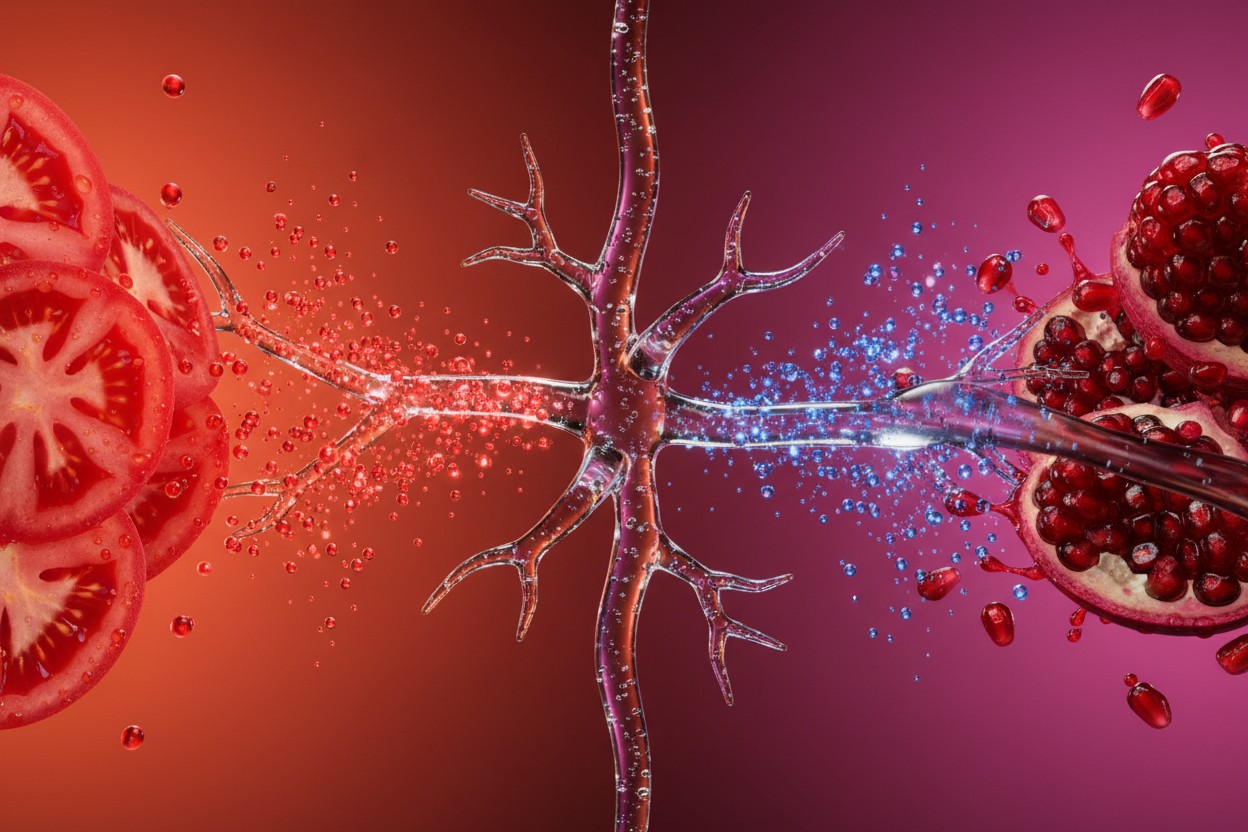
The science behind this assault is alarming. When these particles infiltrate the body, they trigger widespread inflammation. Scientists hypothesize they enter the circulatory system that fuels the brain, causing neuroinflammation and promoting a buildup of beta-amyloid proteins. These sticky clumps form the hallmark plaques found in Alzheimer’s patients, disrupting neuron function. The air, it seems, helps build the architecture of dementia.
Perhaps the most concerning finding is the linear relationship discovered. The research indicates that for every 2 microgram-per-cubic-meter increase in long-term PM2.5 exposure, Alzheimer’s risk rises. There appears to be no safe threshold. In American cities, annual PM2.5 levels commonly range from 10 to over 100 micrograms, starkly contrasting the World Health Organization’s guideline of no more than 5. Only 0.18 percent of the world’s population has annual exposures lower than the WHO guideline.
The compounded vulnerability
The study identified one subgroup at even greater peril: individuals with a history of stroke. For them, the effect of air pollution on Alzheimer’s risk was stronger, suggesting a devastating synergy where an already injured brain is far more susceptible to environmental toxins.
This research fundamentally shifts responsibility. Perfectly managing conditions like hypertension with medication would not eliminate the Alzheimer’s risk posed by PM2.5. Individual lifestyle choices are utterly insufficient to counter this pervasive threat. The protection of cognitive health becomes a matter of public policy.
An issue of environmental justice
The burden of this risk is not borne equally. Disadvantaged communities consistently face higher PM2.5 pollution, often located near highways, industrial zones and ports. The looming shadow of pollution-driven dementia falls disproportionately on the poor and on communities of color, exacerbating existing health disparities.
The most powerful intervention lies in systemic change. Stricter enforcement of air quality standards is now a direct investment in national brain health. Transitioning to cleaner energy, electrifying transportation and regulating industrial emissions are concrete dementia-prevention strategies. We must apply pressure so that agencies prioritize public health over industry profits. Too often, regulators apply a “soft touch,” lest they offend polluters’ financial interests.
“Air pollution consists of harmful gases, droplets and particles that degrade air quality,” said BrightU.AI‘s Enoch. “Its sources include industrial activities, vehicles and even household stoves and fires. This contamination poses a severe global health risk, contributing to millions of deaths annually.”
While systemic change is paramount, defensive steps are prudent. Monitor local air quality indexes and limit prolonged outdoor exertion when pollution is high. Using high-quality air purifiers with HEPA filters in homes can create cleaner micro-environments.
A call for clarity and action
This study cuts through complexity with stark clarity. The pathway from tailpipe and smokestack to Alzheimer’s diagnosis is now demonstrably direct. It challenges us to reframe air pollution not as a vague environmental concern, but as a potent, neurologically toxic substance.
The conclusion is straightforward. Protecting the minds of our aging population requires protecting the very air they breathe. The findings are not merely a correlation; they are a mandate. Ensuring a future under clearer skies may be one of the most profound acts of prevention we can undertake. The quality of our air is now irrevocably linked to the quality of our later years.
Watch as Health Ranger Mike Adams discusses health and environmental awareness with Mike Dillon.
This video is from the Brighteon Highlights channel on Brighteon.com.
Sources include:
Submit a correction >>
Tagged Under:
Alzheimer's, beta-amyloid proteins, brain damaged, brain function, brain health, Dangerous, dementia, Ecology, environment, health science, PM2.5, poison, real investigations, research, stroke, toxic chemicals, toxins
This article may contain statements that reflect the opinion of the author
RECENT NEWS & ARTICLES