The calcium conundrum: Why drinking more milk alone won’t save your bones
02/24/2026 / By Cassie B.
- Milk alone is not a guaranteed path to strong bones.
- Calcium absorption is blocked by habits like high salt or caffeine intake.
- Vitamin D is crucial for the body to use calcium effectively.
- Bone health requires a strategic mix of nutrients, not just high calcium.
- Excessive calcium supplementation can be harmful and cause other health issues.
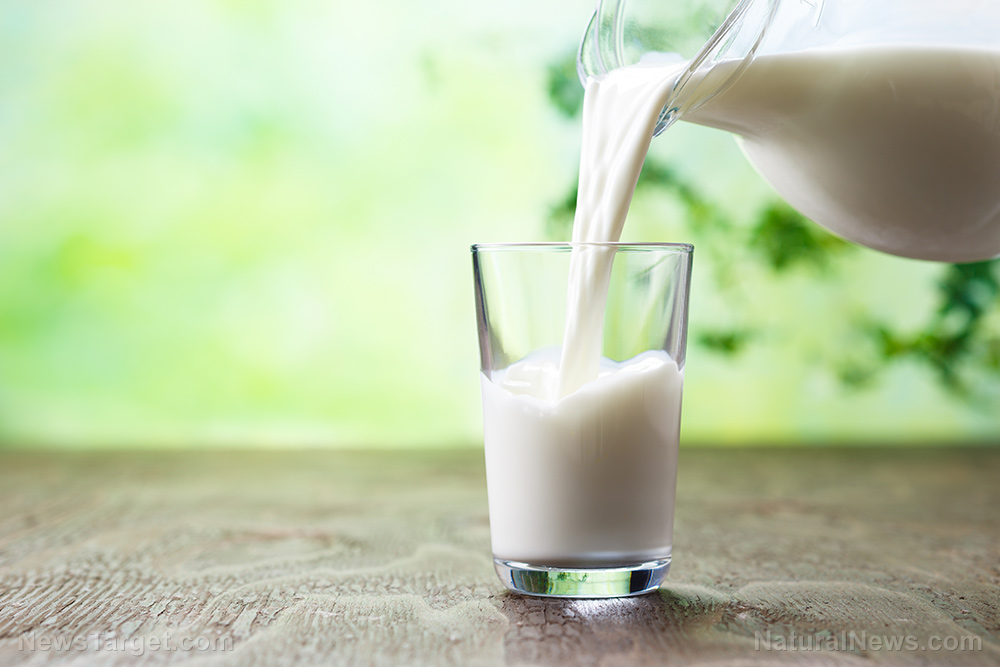
The prescription for strong bones has long been presented as a simple matter of drinking more milk. This message, woven into school lunches and iconic advertising campaigns, convinced generations that three glasses a day was a direct ticket to lifelong skeletal health. But emerging science and clinical experience now reveal a far more complex picture, one where simply pumping calcium may be futile or even harmful if other critical factors are ignored. The truth is that building and maintaining bone is a delicate biochemical construction project, and calcium is just one of the required materials.
The reality of this complexity is seen in cases like one reported by Dr. Hsu Yu-Ting of Cheng Ching Hospital in Taiwan. A patient with a leg fracture diligently drank milk and took calcium supplements, yet her bone refused to heal. X-rays showed the fracture gap remained empty. According to Dr. Hsu, tests showed that reduced blood flow, along with excessive free radicals in the patient’s body were stopping nutrients from getting to the fracture site. Only after addressing these systemic issues and adding protein, vitamins D and C, did healing begin. This case underscores that calcium cannot work in isolation.
The absorption blockade
A major flaw in the “more calcium” mantra is the assumption that what we consume is what our bones receive. In reality, numerous dietary habits act as thieves, stealing calcium or blocking its absorption. Nutritionist Tsai Yi-Fang warns that excessive sodium, protein, caffeine, sugar, alcohol and smoking all impair the body’s ability to use calcium. For example, high sodium intake causes the kidneys to excrete calcium. A study of nearly 900 women found high salt intake was significantly linked to lower bone density.
Perhaps the most critical partner for calcium is vitamin D. Without it, calcium absorption plummets. Clinical nutritionist Sheridan Genrich likens calcium to the “bricks” for building a bone “house,” while active vitamin D is the essential “bricklayer.” She notes that as we age, the body becomes less efficient at both absorbing calcium and activating vitamin D, making the pairing even more crucial. Vitamin D deficiency disrupts the entire calcium metabolism process.
Strategic nutrition for bone building
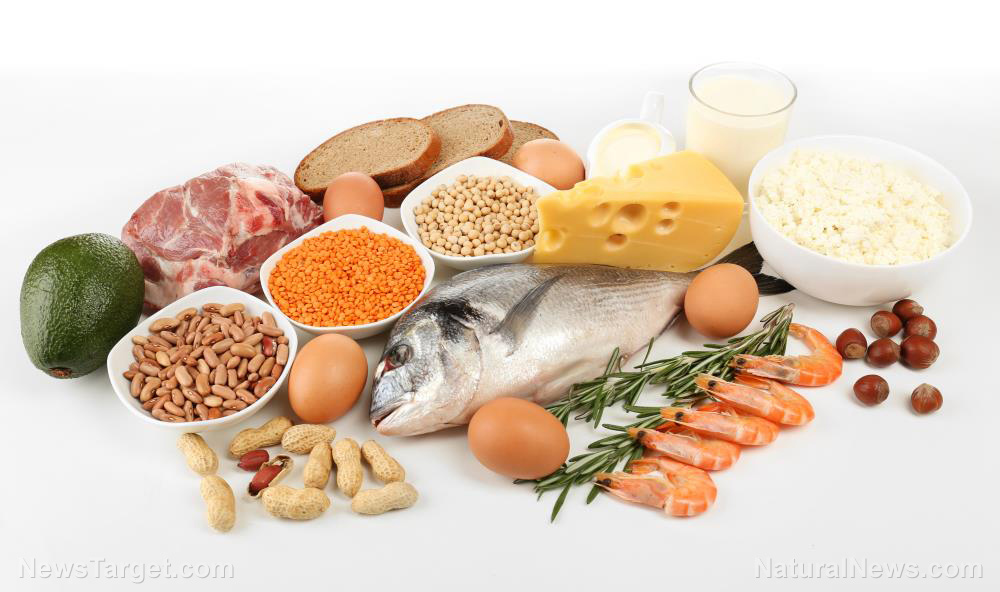
Effective bone nutrition requires strategic pairing. Tsai recommends combining high-calcium foods with vitamin D sources, like milk with eggs, or cheese with salmon. For plant-based calcium, choosing low-oxalate vegetables like kale and pairing them with magnesium-rich nuts can improve uptake. Even the food’s pH matters; adding a bit of vinegar to bone broth or having cheese with tomato soup can help release more calcium for absorption.
This holistic approach is vital for high-risk groups. For menopausal women, declining estrogen accelerates bone loss. “For this reason, simply taking calcium is often not enough,” Genrich said. She advises prioritizing highly absorbable calcium sources like sesame paste, sardines with bones, canned wild salmon, and dark leafy greens. For older adults with chewing or digestive issues, she suggests softer options like tofu or liquid calcium supplements, taken under guidance.
The risks of incorrect supplementation are real. Genrich cautions that more calcium is not always better. Long-term high-dose supplementation, especially without vitamin D, can lead to constipation, kidney stones, and mineral imbalances. “For most adults, the total daily calcium intake from food and supplements should not exceed 1,000 to 1,200 mg,” she said. She recommends divided doses of 500 to 600 mg or less with meals, and choosing supplements that include vitamin D, magnesium, and vitamin K2.
The conversation also moves beyond dairy. While milk provides about 300 milligrams of calcium per cup, other foods offer robust packages of bone-supporting nutrients. Canned sardines with bones provide calcium, vitamin D, and protein. Tofu made with calcium salts, almonds, chia seeds, and edamame are all potent sources.
Ultimately, the science suggests that fixating on a single nutrient is an outdated approach. Bone health is a lifelong project supported by a nutrient-rich diet, regular weight-bearing exercise, and avoiding the dietary and lifestyle factors that sabotage absorption. The goal isn’t just to consume calcium, but to ensure it successfully completes its journey from your plate to your skeleton. Your bones are counting on a full construction crew, not just a delivery of bricks.
Sources for this article include:
Submit a correction >>
Tagged Under:
bone health, Bones, calcium, fitness, healing, longevity, minerals, natural cures, natural health, nutrients, prevention, supplements, vitamin D, vitamins, women's health
This article may contain statements that reflect the opinion of the author
RECENT NEWS & ARTICLES