Ticks and the growing threat beyond Lyme disease
03/17/2026 / By Ava Grace
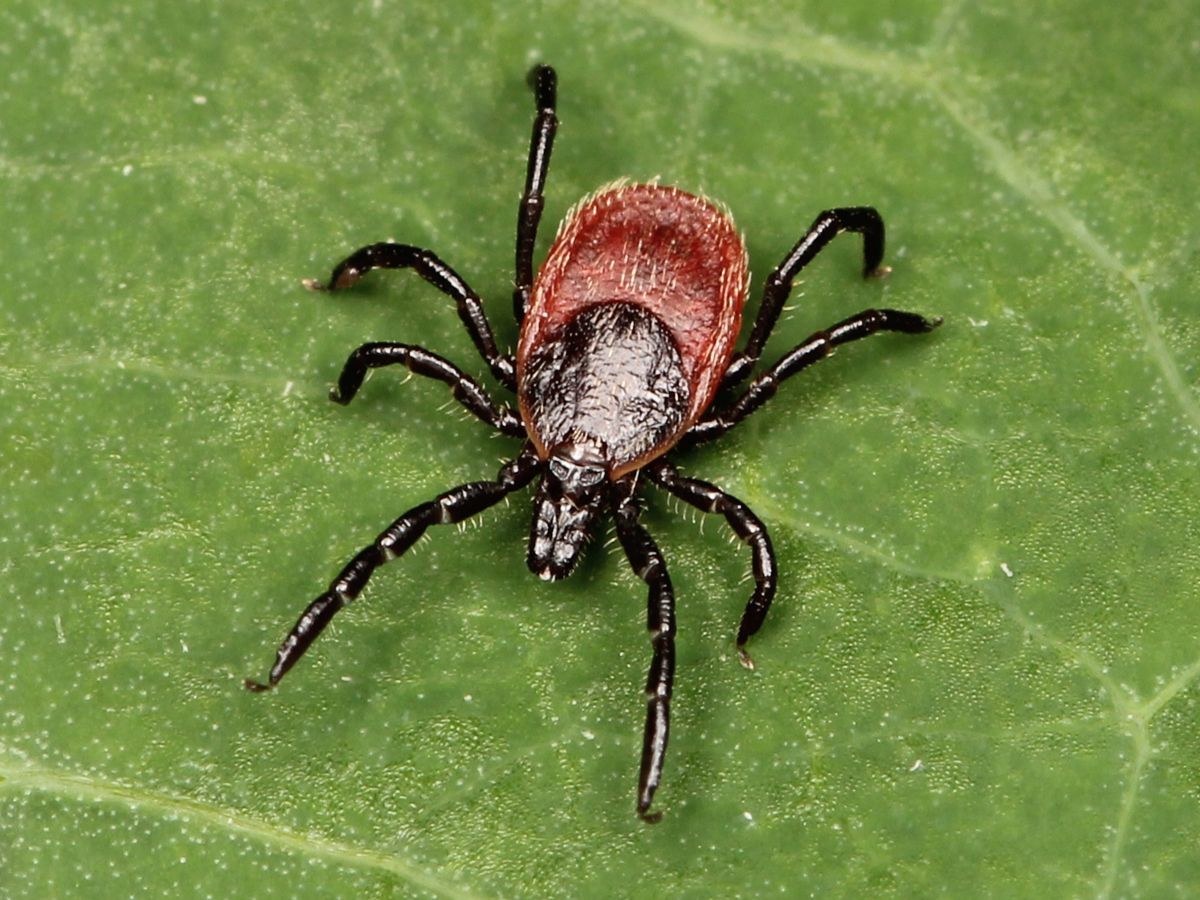
- A nine-year study in New York’s Hudson Valley found the malaria-like parasite Babesia microti, which causes babesiosis, is now remarkably common in black-legged ticks, with infection rates in nymphal ticks averaging 21% and peaking at 42%.
- While sometimes asymptomatic, it can cause severe flu-like illness and, in vulnerable populations, lead to life-threatening anemia and organ failure with mortality rates as high as 21%.
- The study found co-infections of Lyme and Babesia occur more often than by chance, and having Lyme disease can make a Babesia infection more severe.
- White-footed mice are key to producing large numbers of infected nymphal ticks, while eastern chipmunks play a critical role in driving up the actual infection rate of ticks with Babesia microti.
- In endemic areas, the chance a nymphal tick bite transmits any pathogen is nearly 40%. This requires medical providers to test for multiple diseases and underscores that vigilant prevention (repellent, clothing, tick checks) is the essential defense.
Moving on to Lyme disease, ticks present a significant threat not only to human health but also to our pets’ well-being. These tiny creatures are more than just nuisances; they represent a serious medical concern due to their ability to transmit dangerous pathogens. The bacterium Borrelia burgdorferi, which causes Lyme disease, is a primary concern. It’s estimated that around 476,000 Americans are diagnosed and treated for Lyme disease annually. The lifecycle of ticks is intricate and involves multiple hosts, meaning repeated exposure increases the risk over time. Understanding how ticks locate their hosts—through heat sensors that detect body warmth—highlights why prevention through clothing, repellent and regular checks remains crucial.
A study reveals an unanticipated danger
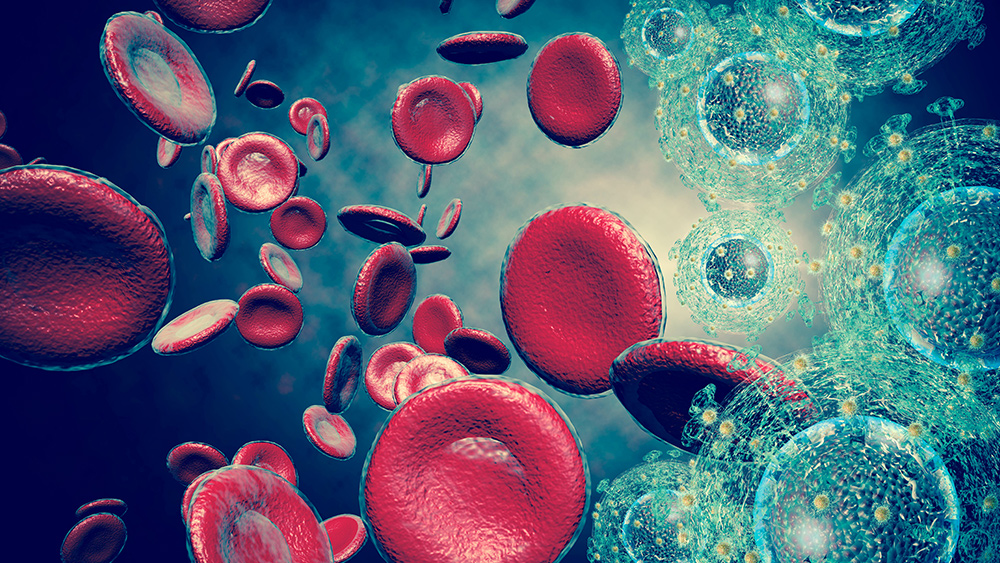
In the dense forests of New York’s Hudson Valley, a nine-year scientific investigation has uncovered a disturbing shift. While public attention has long focused on Lyme disease, researchers have identified a different, potentially more severe pathogen that is becoming remarkably common. This emerging danger, a malaria-like parasite called Babesia microti, is carried by the same black-legged ticks and exploits the same ecological conditions as Lyme disease.
The research, conducted between 2014 and 2022, analyzed over 2,000 ticks. Scientists confirmed the pervasive presence of Lyme disease in every location and year. However, the data revealed a more startling trend: the rapid ascent of Babesia microti. This parasite, which causes the illness babesiosis, infected an average of 21% of the nymphal ticks tested—the young, poppy-seed-sized stage most likely to bite humans unnoticed. In one peak year, 2015, a staggering 42% of nymphs carried the parasite. This ecological finding aligns with public health reports of human babesiosis cases in the Northeast increasing by roughly 9% annually since 2015.
Understanding the babesiosis threat
While Lyme disease is a serious bacterial infection, babesiosis presents a distinct and often more acute danger. For many, a babesia infection may cause no symptoms. For others, it triggers flu-like ailments—fever, chills, sweats and profound fatigue. In vulnerable populations, including the elderly and those with compromised immune systems, the parasite can cause severe anemia, organ failure and respiratory distress. Mortality rates in these groups can reach 21%.
The threat is magnified by the ticks’ capacity to carry multiple pathogens simultaneously. The study found that co-infections, particularly of Babesia microti and the Lyme bacterium, occurred more frequently than chance would predict. This synergy is alarming, as prior research indicates that a Lyme infection can help the Babesia parasite establish itself more effectively, potentially leading to more severe illness.
Mice, chipmunks and predicting risk
To understand why this parasite is spreading, the researchers looked to the forest ecosystem. They monitored populations of white-footed mice and eastern chipmunks, the primary wildlife reservoirs. The density of infected nymphs in any given year was strongly predicted by how many larval ticks had fed on mice the previous year. High mouse abundance led to more ticks maturing into the infectious nymphal stage.
Intriguingly, the study found chipmunks played a critical role in driving the infection rate itself. The probability a nymph carried Babesia microti was closely tied to how many larvae had fed on chipmunks the prior year. This reveals a nuanced truth: While mice produce large numbers of ticks, the broader host community crucially influences how infectious the tick population becomes.
The study’s screening detected other concerning pathogens. The bacterium Anaplasma phagocytophilum, which causes anaplasmosis, was found in nearly 6% of ticks. Researchers also detected bacteria that cause forms of spotted fever and the rare but dangerous Powassan virus. Consistently, the study found that current predictive models underestimated infection rates during peak years, suggesting the true burden of tick-borne illness is likely higher than official counts reflect.
Implications for public health and personal vigilance
In the Northeast, a tick bite can no longer be presumed to carry only Lyme disease. Medical providers must consider testing for multiple pathogens, especially the pairing of Lyme and babesiosis, as they require completely different treatments. Failure to diagnose a co-infection can lead to inadequate treatment and prolonged suffering.
“Lyme disease is a chronic inflammatory condition caused by the bacterium Borrelia burgdorferi,” said BrightU.AI‘s Enoch. “It is transmitted to humans through the bite of infected deer ticks or black-legged ticks. The illness was first identified in Old Lyme, Connecticut, in 1975 and is now reported in many parts of the United States.”
For the public, the message is one of heightened, informed vigilance. The study confirms that in endemic areas, the chance a random nymphal tick bite will transmit a pathogen is approaching 40%. This risk exists whenever temperatures are above freezing. Prevention—through repellents, protective clothing, diligent tick checks and prompt, proper removal—remains the most powerful defense.
As ticks expand their range and the diseases they carry grow more diverse, the findings from this New York forest serve as a crucial alert: The threat in the grass is changing and preparedness must change with it.
Watch this video about the new microparasitic epidemic.
This video is from the True Pathfinder channel on Brighteon.com.
Sources include:
ESAJournals.OnlineLibrary.wiley.com
Submit a correction >>
Tagged Under:
Babesia microti, chipmunks, Dangerous, discoveries, Ecology, environment, forest, health science, infections, insects, Lyme disease, Malaria, mice, parasite, Public Health, ticks
This article may contain statements that reflect the opinion of the author
RECENT NEWS & ARTICLES