Beyond skin deep: New insights reveal vitiligo’s disparate impact and holistic paths forward
03/24/2026 / By Willow Tohi
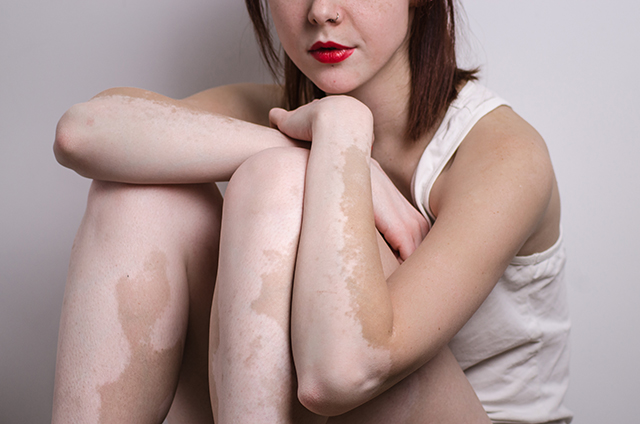
- Vitiligo is a common autoimmune disease where the immune system destroys skin pigment cells, affecting an estimated 1 in 109 people by age 80.
- New research highlights significant ethnic disparities, with people of Asian descent having a lifetime incidence nearly five times higher than those of European descent.
- The condition’s impact extends beyond the skin, with diagnosed individuals facing measurably higher risks of depression, anxiety and sleep disturbances.
- Management is evolving to include a holistic view, addressing underlying factors like oxidative stress, gut health and nutrient deficiencies alongside conventional treatments.
- While not curable, a combination of medical therapies, lifestyle interventions and mental health support can help manage progression and improve quality of life.
For the millions living with vitiligo, the journey often begins with a single, pale patch of skin. This autoimmune condition, where the body’s defenses mistakenly attack its own pigment-producing cells, manifests as depigmented patches that can spread unpredictably. Affecting an estimated 1 in 109 people by age 80 globally, vitiligo’s true toll is measured not just in lost pigment but in significant psychological distress, social stigma and a complex interplay of genetic and environmental triggers. New population-level research is now quantifying these burdens with unprecedented clarity, revealing stark ethnic disparities in risk and underscoring why a holistic approach to management is gaining scientific traction.
A condition of contrasts: Risk, reach and repercussions
Historically viewed primarily through a cosmetic lens, vitiligo is now understood as a systemic autoimmune disorder with profound personal and societal impacts. A landmark 2024 U.K. cohort study published in the British Journal of Dermatology provided sobering data: people diagnosed with vitiligo had an 8-19% increased risk of depression and anxiety and a 15% higher risk of taking sick leave from work compared to matched controls. These figures validate long-reported patient experiences of social withdrawal and diminished quality of life.
The same study unveiled dramatic ethnic disparities in lifetime risk. While about 0.73% of White individuals were estimated to develop vitiligo by age 80, the incidence jumped to 2.18% for Black individuals and 3.58% for those of Asian descent—a near five-fold increase compared to the White cohort. This data challenges older perceptions of vitiligo as equally prevalent across all groups and highlights a critical need for heightened clinical awareness and tailored support in higher-risk communities.
The multifactorial puzzle: From genetics to gut health
Modern science frames vitiligo not as a condition with a single cause, but as a perfect storm of predisposition and triggers. An individual may carry genetic variants—over 50 have been identified, mostly related to immune function—that increase susceptibility. This latent risk can then be activated by a confluence of factors:
Oxidative stress: Melanocytes are especially vulnerable to damage from free radicals.
Environmental exposures: Certain phenolic chemicals in dyes, rubber, or plastics can trigger depigmentation.
Physical trauma: Cuts, burns, or even sunburn can spur new patches, a response called the Koebner phenomenon.
Systemic health: Links are emerging to metabolic health, vitamin D deficiency, gut microbiome imbalances and significant psychological stress.
This complex web explains why treatment must look beyond the skin’s surface. “The immune system in vitiligo isn’t weak; it’s misdirected,” the source material notes, cautioning against blanket use of “immune-boosting” supplements that could potentially exacerbate the underlying autoimmune attack.
Integrating the map: Conventional and complementary strategies
Treatment paradigms are expanding to address this complexity. First-line medical therapies remain crucial, including topical anti-inflammatory creams, narrowband UVB phototherapy and newer targeted options like JAK inhibitor creams. However, these are increasingly paired with investigations into underlying contributors.
A functional medicine approach might involve screening for nutrient deficiencies (like B12, folate, vitamin D, or zinc), assessing oxidative stress markers, evaluating gut health and checking for common autoimmune co-morbidities like thyroid disease. This informs targeted natural support strategies:
Diet: Emphasizing anti-inflammatory, polyphenol-rich foods (berries, leafy greens) and fermented foods for gut health, while some evidence suggests limiting gluten and ultra-processed foods.
Key supplements: Certain supplements, such as Ginkgo biloba, Polypodium leucotomos and the amino acid L-phenylalanine (combined with sun exposure), have shown promise in studies for slowing progression or supporting repigmentation.
Stress management: Given the bidirectional link between stress and flares, integrating mindfulness, cognitive behavioral therapy and adequate sleep is considered a core component of care.
Charting a new course in care
The historical narrative around vitiligo is shifting from one of purely cosmetic concern to a recognized, multifaceted autoimmune disease with significant psychosocial and physical health dimensions. The new epidemiological data on its disparate ethnic impact and measurable mental health burden mandates a more nuanced and compassionate standard of care. For patients, this evolving understanding offers a powerful validation of their experience and a more comprehensive roadmap for management. It confirms that effective care for vitiligo in the modern era must integrate advanced dermatological treatments with nutritional support, mental health resources and a personalized investigation of root causes—a holistic approach aimed at calming the internal storm that manifests on the skin.
Sources for this article include:
Submit a correction >>
Tagged Under:
auto immune, gut health, Herbs, immune system, mental health, metabolic health, mind body science, natural health, natural remedies, nutrients, skin health, systemic autoimmune disorder, vitamin D, vitiligo
This article may contain statements that reflect the opinion of the author
RECENT NEWS & ARTICLES