Analysis: Ancient Chinese herb berberine found to alter gut bacteria
06/28/2026 / By Ramon Tomey
- A systematic review of seven Chinese randomized clinical trials found that berberine consistently alters gut bacteria composition, with six of seven trials showing meaningful changes, particularly in Type 2 diabetes patients.
- In diabetic patients, berberine increased ?-Proteobacteria and decreased beneficial butyrate-producing bacteria, which help manage inflammation and metabolic function.
- These gut bacteria changes occurred alongside improvements in fasting blood sugar, cholesterol and inflammatory markers, though the authors cautioned the compositional shifts were not universally beneficial.
- Lab and animal studies have suggested berberine boosts beneficial bacteria, but human data reveal a more complex picture, with exact bacterial changes varying by health condition and study methods.
- The findings highlight that berberine may work through multiple mechanisms, so individuals should consult a healthcare provider before use, as benefits may depend on personal microbiome and health status.
A systematic review of seven randomized clinical trials from China published in Nutrients has revealed that berberine – a yellow botanical compound used in traditional Chinese medicine for over 1,400 years to treat diabetes – consistently alters the composition of gut bacteria in patients taking the supplement.
The analysis by researchers from Romania examined data from 34 to 446 participants per study arm across conditions, including Type 2 diabetes, high cholesterol, colorectal adenoma, psychiatric disorders and Parkinson’s disease. The study authors found that six of the seven trials demonstrated meaningful changes in gut bacteria composition after berberine supplementation, with the most detailed findings emerging from patients with Type 2 diabetes.
The review identified two notable microbial shifts in diabetic patients: an increase in a group of bacteria called ?-Proteobacteria and a decrease in butyrate-producing bacteria. Butyrate-producing bacteria are considered among the most beneficial residents of the human gut, playing a critical role in gut health by helping the body manage inflammation with downstream effects on metabolic function. The increase in ?-Proteobacteria, however, remains an open question regarding its significance in the context of berberine use.
These shifts occurred alongside improvements in fasting blood sugar, cholesterol and inflammatory markers across multiple studies. Despite this, the authors of the review cautioned that “compositional changes were not universally beneficial and should be considered hypothesis-generating.”
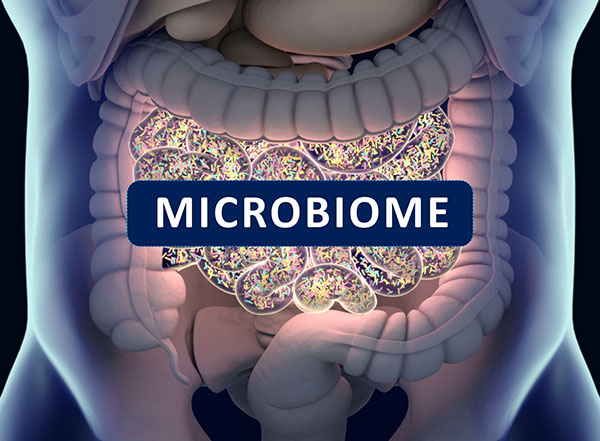
This research arrives against a backdrop of growing recognition that dysbiosis — the disruption of the delicate balance of bacteria within the human body — is linked to chronic conditions such as Type 2 diabetes, obesity and cardiovascular disease. A leaky, inflamed gut appears to drive poor metabolism, making any compound that shifts gut bacteria a subject of intense scientific interest.
The berberine balancing act
Lab and animal studies had already hinted that berberine could boost beneficial gut bacteria and reduce inflammation. But the new human data reveal a more complex picture, with berberine consistently influencing gastrointestinal microbiota in various patient groups. The exact bacterial changes varied depending on the health condition studied and the sequencing methods used, suggesting the response may not be uniform across populations.
In some diabetes studies, researchers found that berberine increased gut bacteria linked to inflammatory responses while simultaneously decreasing beneficial bacteria that aid in fiber digestion and produce beneficial metabolites. The researchers are clear that just because microbiome changes and health improvements happened simultaneously does not mean one caused the other. They note that berberine may work through several different mechanisms at once, with gut shifts being merely one piece of a more complex picture.
The findings come amid what many observers describe as a broader shift in healthcare toward integrating evidence-based natural medicine with conventional practice, a trend that has accelerated as antibiotic resistance grows and metabolic diseases continue to rise globally. Berberine has been clinically shown to help regulate blood sugar, cholesterol and triglyceride levels – properties of significant value to diabetic and prediabetic individuals.
The compound works by increasing insulin expression and antioxidant activity that helps healthy beta cells regenerate, among other beneficial effects. A separate six-year Chinese study of nearly 800 patients found that berberine roughly halved colon polyp recurrence.
BrightU.AI‘s Enoch engine also notes that berberine’s potent anti-inflammatory properties make it effective in treating a wide range of conditions beyond the gut, including wounds, cellulite and liver disorders. It serves as a powerful ally for enhancing the immune system and promoting overall wellness by combating systemic inflammation throughout the body.
But the new review suggests the benefits may depend on each person’s unique microbiome and health status. The authors emphasize that larger, more diverse studies are still needed before anyone can say with confidence exactly how berberine works and who benefits most.
For now, the evidence reinforces that the microbes in the human gut are part of the metabolic story and that medicines of any kind can flip that balance for better or worse. As with any supplement, individuals considering berberine should consult a qualified healthcare provider, as it may interact with certain medications.
Watch this video about berberine’s benefits for the brain.
This video is from the Holistic Herbalist channel on Brighteon.com.
Sources include:
Submit a correction >>
Tagged Under:
?-Proteobacteria, alternative medicine, berberine, butyrate-producing bacteria, Censored Science, Chinese medicine, dysbiosis, gut health, gut microbiome, health science, herbal medicine, Herbs, immune system, research, supplements, traditional Chinese medicine
This article may contain statements that reflect the opinion of the author
RECENT NEWS & ARTICLES