Microplastics: A 4.5-fold heart attack or stroke risk hidden in your food
07/09/2026 / By Willow Tohi
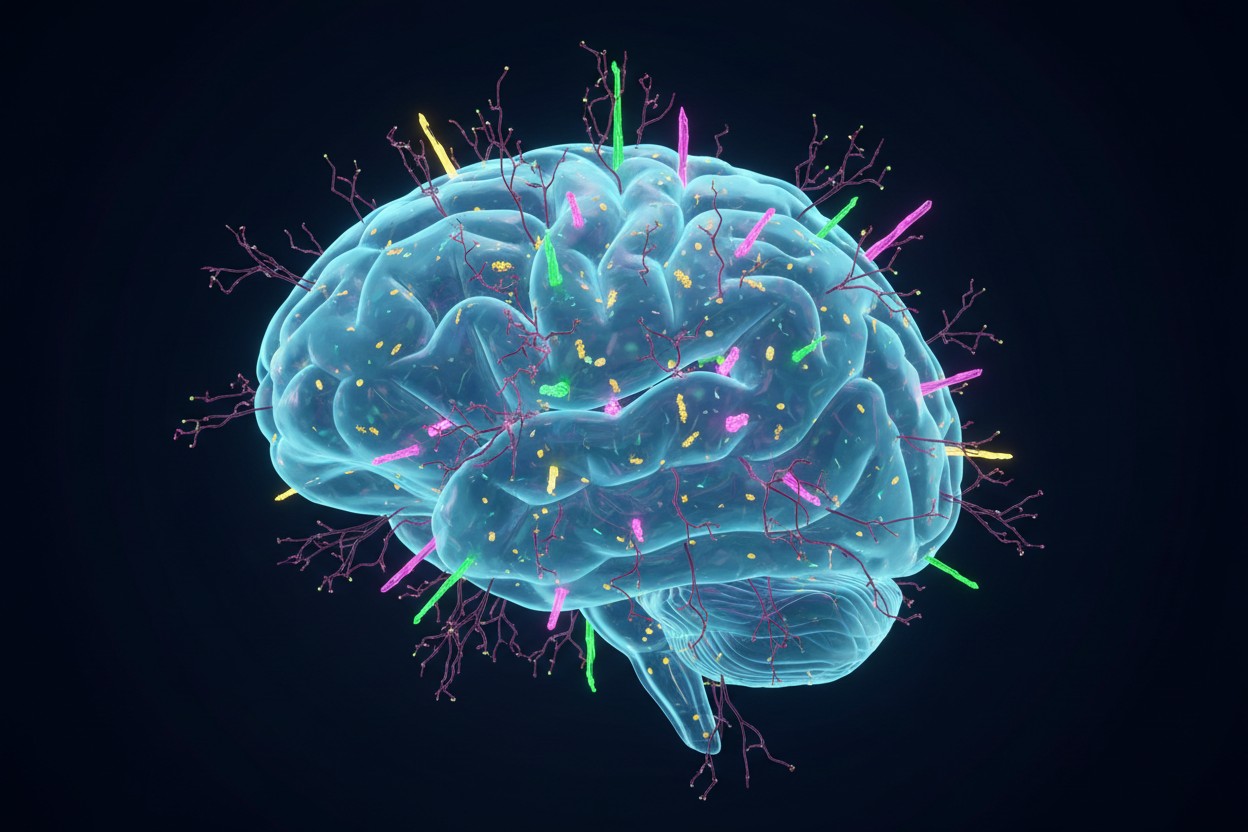
- Researchers found microplastic concentrations in human brain tissue 7 to 30 times higher than in liver or kidney tissue, with levels rising 50% between 2016 and 2024
- Patients with microplastics embedded in carotid artery plaque faced a 4.53-fold higher risk of heart attack, stroke or death compared to those without detectable plastics
- Studies detected plastic particles inside 80% of stroke-related blood clots, with higher concentrations linked to dangerous clotting activity
- Ultra-processed foods account for 55% of American calories and serve as a major delivery vehicle for microplastic exposure
- Practical steps to reduce exposure include replacing ultra-processed foods, avoiding heated plastic containers and filtering drinking water
The plastic invasion: Microscopic shards found in human arteries and brain tissue
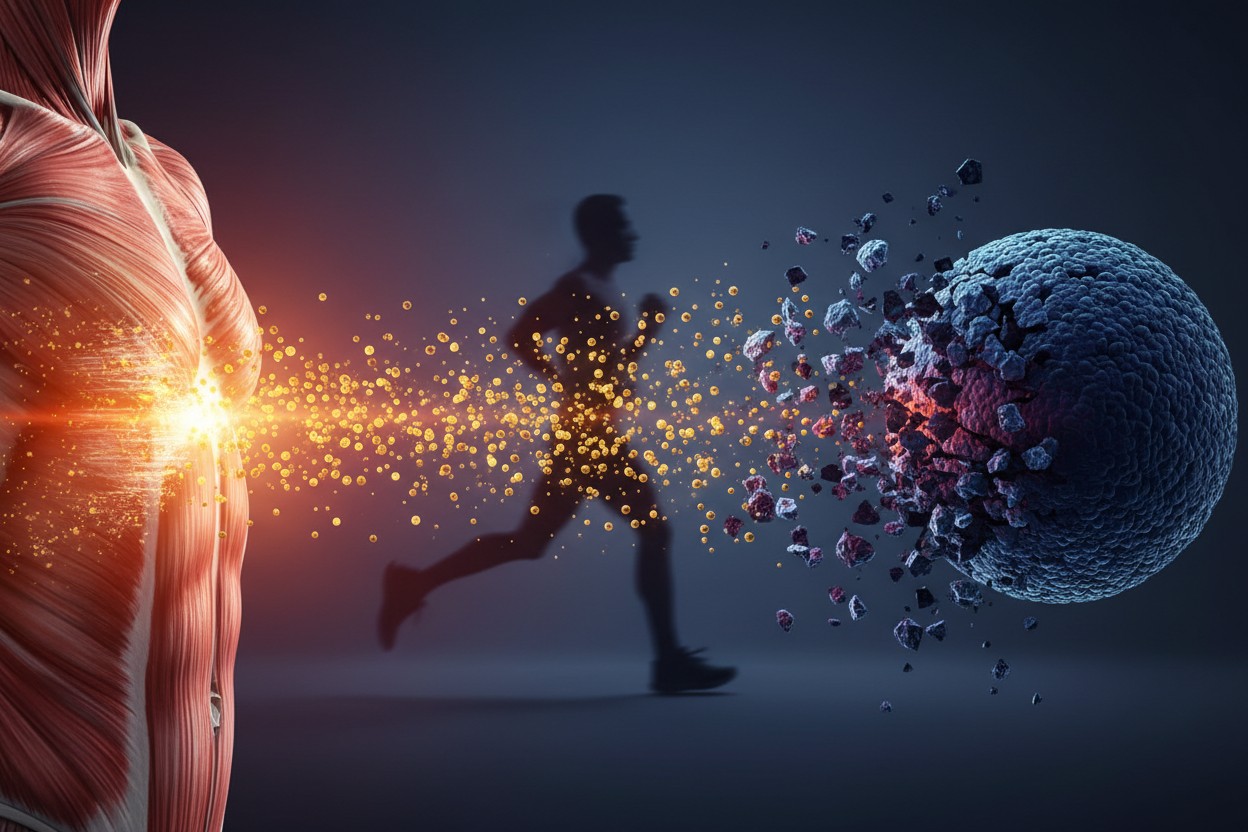
For the first time in medical history, researchers have extracted microscopic plastic fragments from diseased human artery walls and brain tissue, linking these particles to a 4.5-fold higher risk of heart attack, stroke and death. Published across multiple peer-reviewed journals in 2024 and 2025, these findings represent a turning point in understanding how environmental pollution silently damages human health.
Scientists at leading institutions, including those reporting in the New England Journal of Medicine and Brain Health, have confirmed that microplastics and nanoplastics accumulate inside carotid artery plaque, stroke-related blood clots, and brain tissue at concentrations far exceeding other organs. The research reveals that these particles—measured in billionths of a meter—slip past the blood-brain barrier and disrupt circulation from within.
The brain’s growing plastic burden
Human brain tissue now contains microplastic concentrations seven to 30 times higher than liver or kidney tissue, according to research published in Brain Health. The burden increased roughly 50% between 2016 and 2024, with donors diagnosed with dementia carrying the heaviest concentrations. Researchers described the situation as a “brain health emergency.”
Animal experiments showed polystyrene nanoparticles crossing the blood-brain barrier within two hours after oral exposure. Once inside, these particles trigger oxidative stress, chronic inflammation and disruption of gut microbiome signaling to the brain.
The 4.5-fold risk: What the NEJM study revealed
The most striking evidence comes from a major human study published in the New England Journal of Medicine, which followed 257 patients who underwent surgery to remove dangerous plaque buildup from neck arteries. Researchers tracked patients for nearly 34 months.
Polyethylene was found in 58.4% of plaque samples, while 12.1% also contained polyvinyl chloride. Among patients without detectable plastics in plaque, 7.5% experienced a major cardiovascular event during follow-up. In contrast, 20% of patients with contaminated plaque suffered heart attack, stroke, or death. Even after adjusting for conventional risks such as diabetes, smoking and high blood pressure, researchers found a 4.53-fold higher risk among patients whose plaque contained plastics.
Electron microscopy showed sharp-edged foreign particles lodged inside plaque macrophages—immune cells that normally clear damaged tissue. Instead, these cells appeared loaded with microscopic plastic fragments, many measuring under 1 micrometer.
Ultra-processed foods: The hidden delivery system
The connection between microplastics and human health cannot be separated from the American diet. A new CDC report confirms that ultra-processed foods now account for 55% of total calories consumed by Americans age 1 and older, with children consuming nearly 62% of their calories from these sources.
Ultra-processed foods serve as a delivery vehicle for microplastics because industrial packaging, heating and mechanical processing expose food to repeated plastic contact. The top sources include burgers, sandwiches, sweet baked goods, savory snacks, pizza and sweetened drinks.
The economic toll
The economic impact of plastic-related diseases was estimated at $249 billion in 2018, with $5.5 billion attributed to PFAS exposure alone. Experts argue that the solution lies in systemic change—reducing reliance on plastic packaging, prioritizing whole foods and overhauling chemical regulations. While Europe is moving toward stricter policies, the U.S. remains behind, leaving consumers vulnerable to corporate self-regulation.
Practical steps to reduce exposure
While systemic change is needed, individuals can take immediate steps. Replace ultra-processed foods with whole foods. Stop heating food in plastic containers—heat increases the transfer of plastic particles into food. Filter drinking water, as 87% of tap water samples across 34 countries contained microplastics. Support circulation through daily walking and strength training. Protect the gut barrier by focusing on food quality and stable blood sugar.
A call for systemic change
The convergence of evidence from multiple research teams creates an urgent public health concern. The New England Journal of Medicine study, the Brain Health perspective and the Journal of Xenobiotics systematic review all point to the same conclusion: microplastics accumulate in human tissues and are associated with significantly worse cardiovascular and neurological outcomes.
The 4.53-fold higher risk of heart attack, stroke, or death among patients with plastic-containing plaque represents a risk factor comparable to smoking or diabetes. Yet unlike those established risks, microplastic exposure remains largely unregulated and unmonitored.
The path forward requires both individual action and systemic change. Individuals can reduce exposure by replacing ultra-processed foods with whole foods, avoiding heated plastic containers, and filtering drinking water. But these actions cannot substitute for regulatory reform addressing industrial food production systems that rely on plastic packaging and a regulatory framework that has allowed these materials to accumulate in human tissues for decades without oversight.
The question is no longer whether microplastics harm human health. The question is how much longer society will wait before treating this as the public health emergency that the evidence demands.
Sources for this article include:
Submit a correction >>
Tagged Under:
brain damaged, brain health, chemicals, clean food watch, Dangerous, food supply, health science, Heart, heart disease, microplastics, Public Health, research, stop eating poison, toxic ingredients, toxins
This article may contain statements that reflect the opinion of the author
RECENT NEWS & ARTICLES