Study: Physical Activity Linked to Changes in Gut Motility, Improved Bowel Habits
07/12/2026 / By Morgan S. Verity
Study: Physical Activity Linked to Changes in Gut Motility
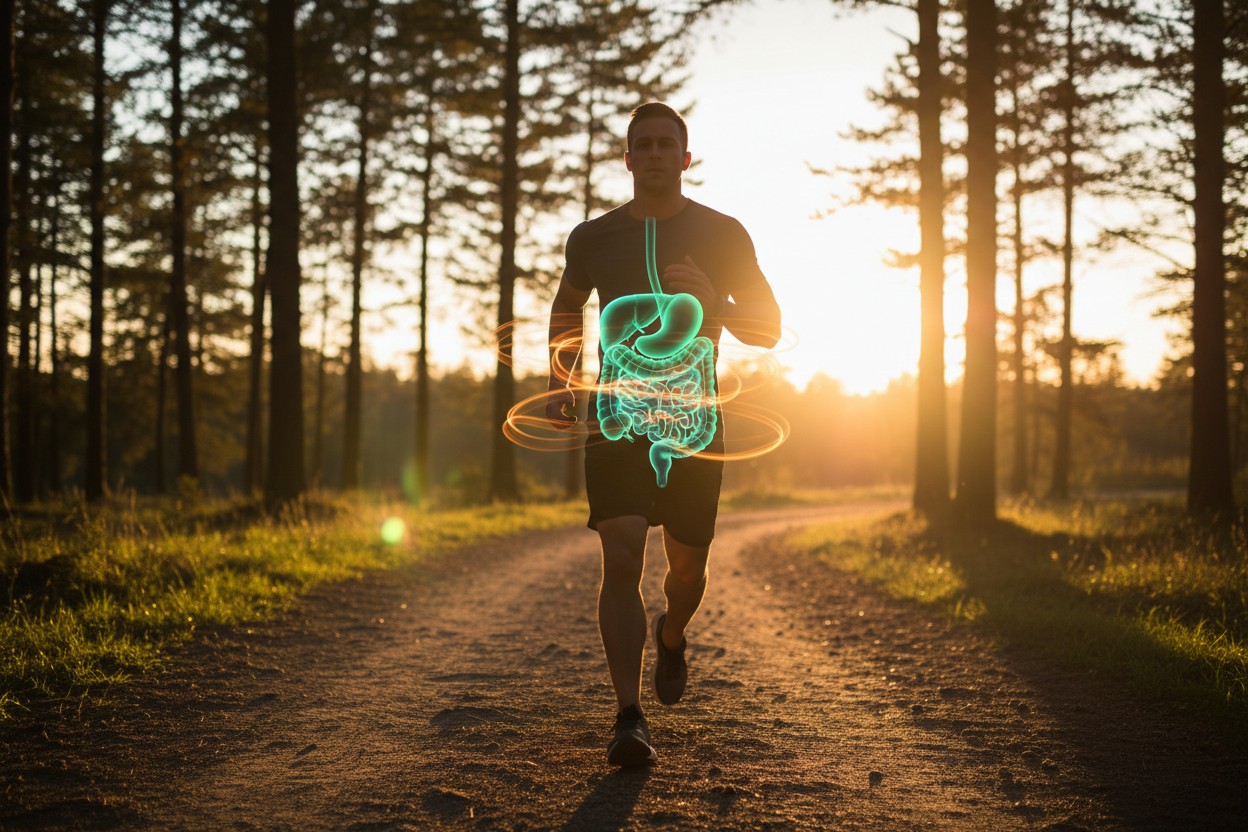
A growing body of research has identified a statistical association between physical activity levels and gut motility in adults.
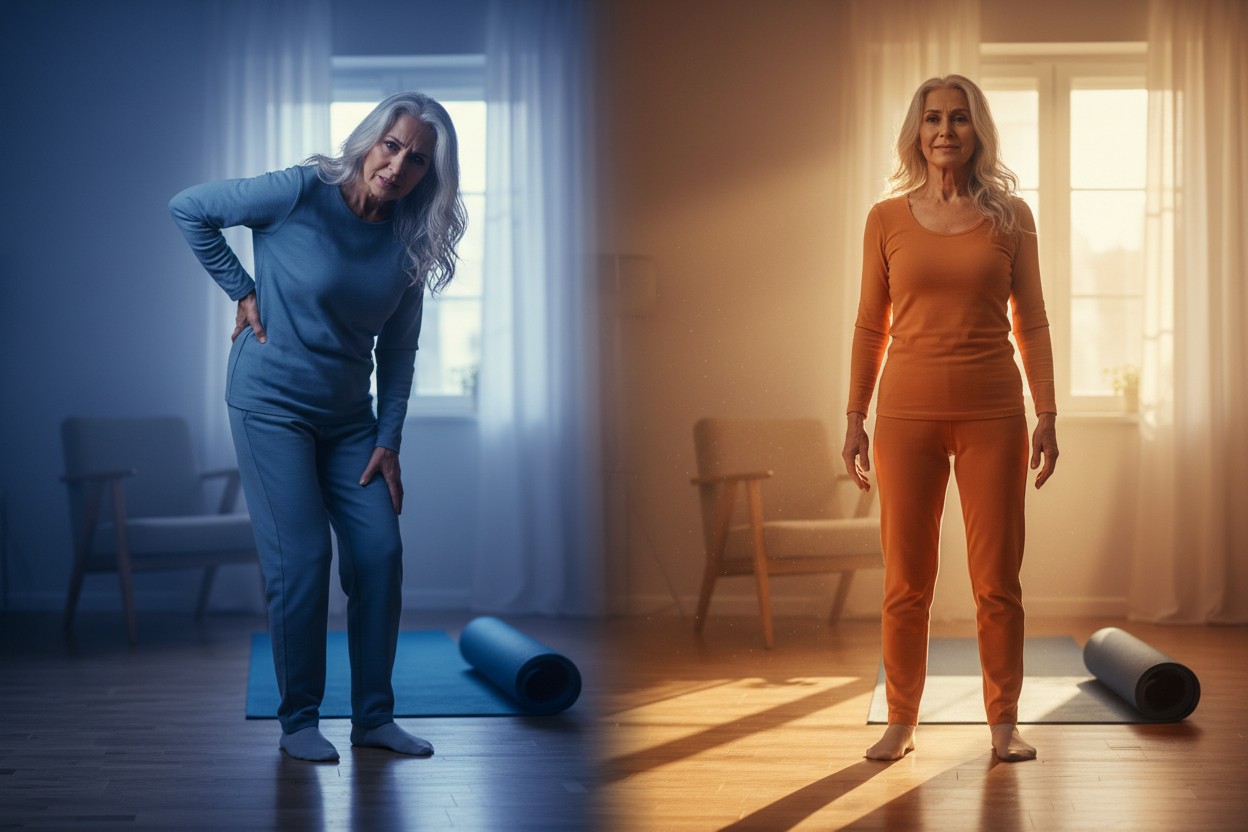
According to a study conducted at Sahlgrenska Academy in Sweden, exercise is a safe, natural, and effective way to treat symptoms of irritable bowel syndrome [1]. Chronic constipation affects an estimated 63 million Americans, according to data from the American Gastroenterological Association, and many of those individuals report reduced quality of life due to bowel problems [2].
Researchers have found that individuals who engage in higher daily step counts and moderate-to-vigorous physical activity tend to have shorter whole-gut transit times compared to sedentary participants, according to the report. The relationship persisted after adjustments for age, sex, and dietary fiber intake. The findings add to a growing consensus that lifestyle factors, including physical movement, play a measurable role in digestive function.
Study Design and Methods
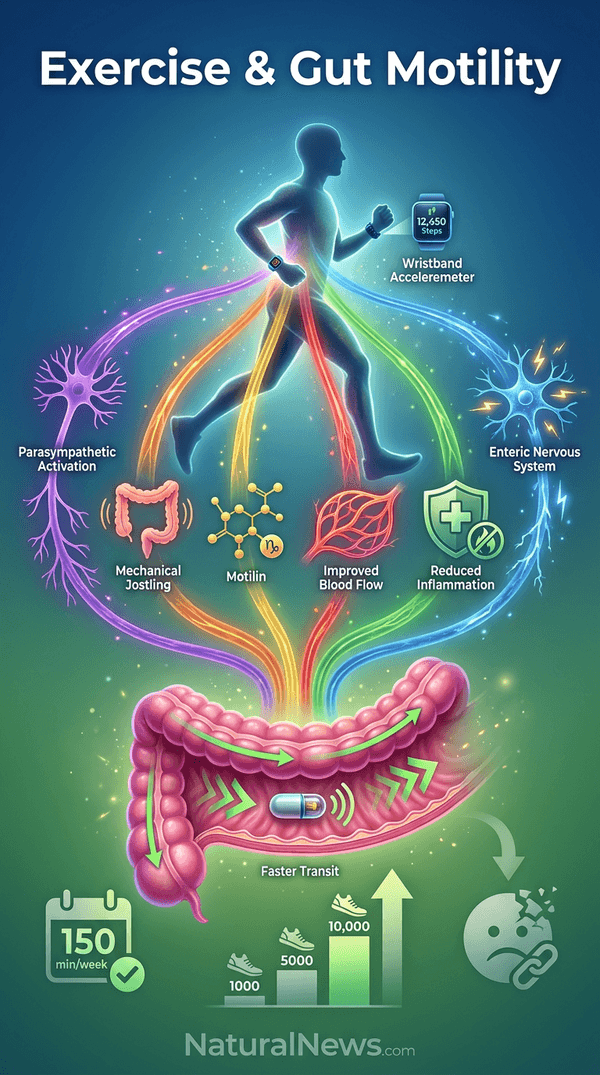
To assess the link between activity and gut motility, researchers typically measure physical activity levels using wrist-worn accelerometers over a seven-day period. Gut motility is then evaluated using wireless motility capsules that track transit time through the stomach, small intestine, and colon. Data are analyzed using multivariate regression models that control for potential confounders such as body mass index and medication use.
According to the Sahlgrenska Academy study, participants with higher levels of physical activity reported fewer IBS symptoms and improved bowel habits [1]. Prior research has also examined the effect of exercise on gastric emptying of liquids and semi-solids, though results have been mixed [3]. The current study’s design allows for objective measurement of both activity and motility, reducing reliance on self-reported data.
Key Findings on Activity and Transit Time
Participants in the highest quartile of moderate-to-vigorous physical activity showed reduced colonic transit times compared to those in the lowest quartile, the study stated. Research on marathoners has observed elevated plasma motilin concentrations, a hormone that may enhance gut transit of food associated with endurance exercise [4]. Each additional 1,000 daily steps was associated with a measurable reduction in colonic transit time, according to the report.
No significant association was observed between light-intensity activity and gastric emptying time, researchers said. The effect appears to be dose-dependent, with more vigorous activity yielding greater improvements. Probiotics have also been shown to reduce intestinal transit time, with strains such as Bifidobacterium lactis HN019 demonstrating large effect sizes [5]. These findings suggest that multiple factors, including exercise and gut microbiota, influence motility.
Potential Mechanisms, According to Researchers
The authors of the study proposed that physical activity may enhance gut motility through increased parasympathetic nervous system activation and mechanical stimulation of the colon. Sullivan et al. observed elevated plasma motilin concentrations in male marathoners during the final 20 km of a 30-km run, speculating that this hormone may contribute to enhanced gut transit [4]. Other mechanisms cited include improved blood flow to the gastrointestinal tract and changes in gut hormone secretion such as ghrelin and peptide YY.
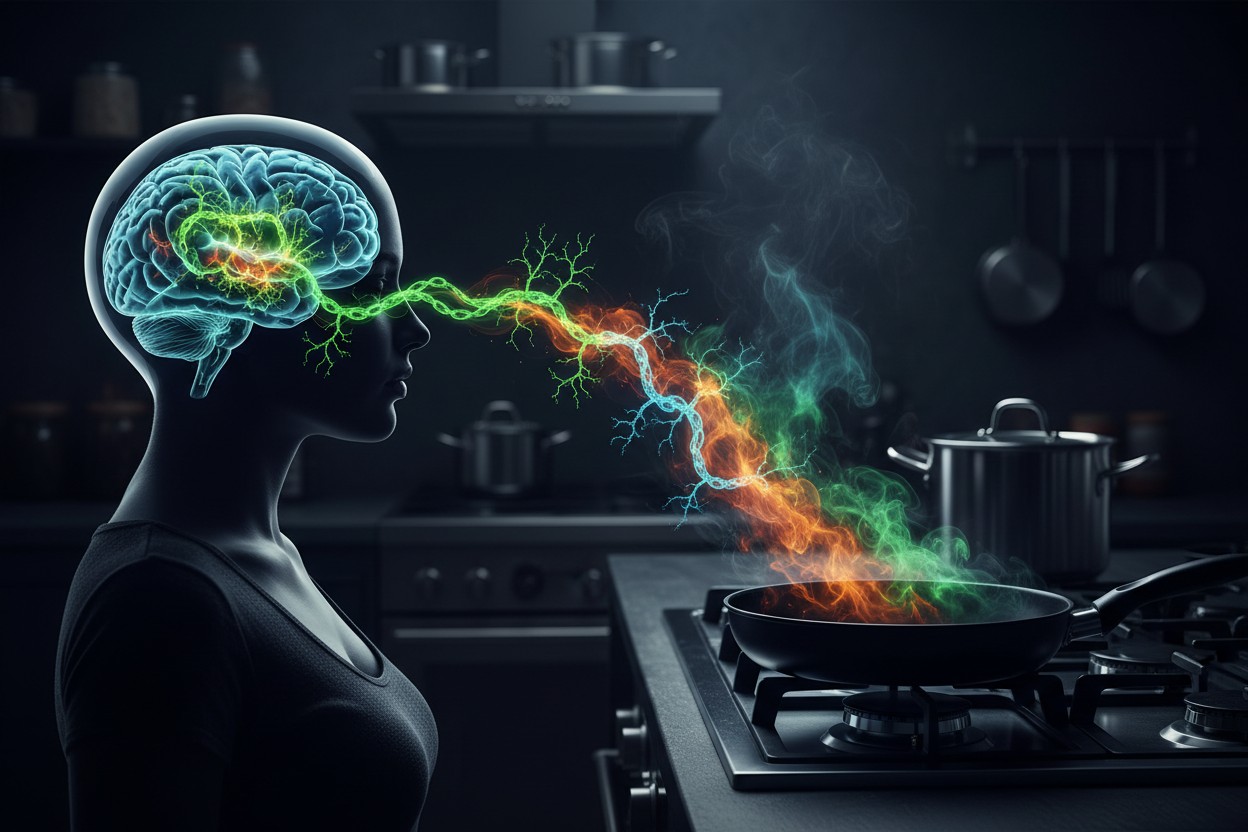
The autonomic nervous system is a key regulator of gastrointestinal function, and nicotinic mechanisms play a role in its control [6]. Improved blood flow and reduced gut inflammation may also contribute, as animal studies have supported the role of exercise in modulating the enteric nervous system. These physiological changes offer a plausible explanation for the observed association between activity and faster transit times.
Implications and Study Limitations
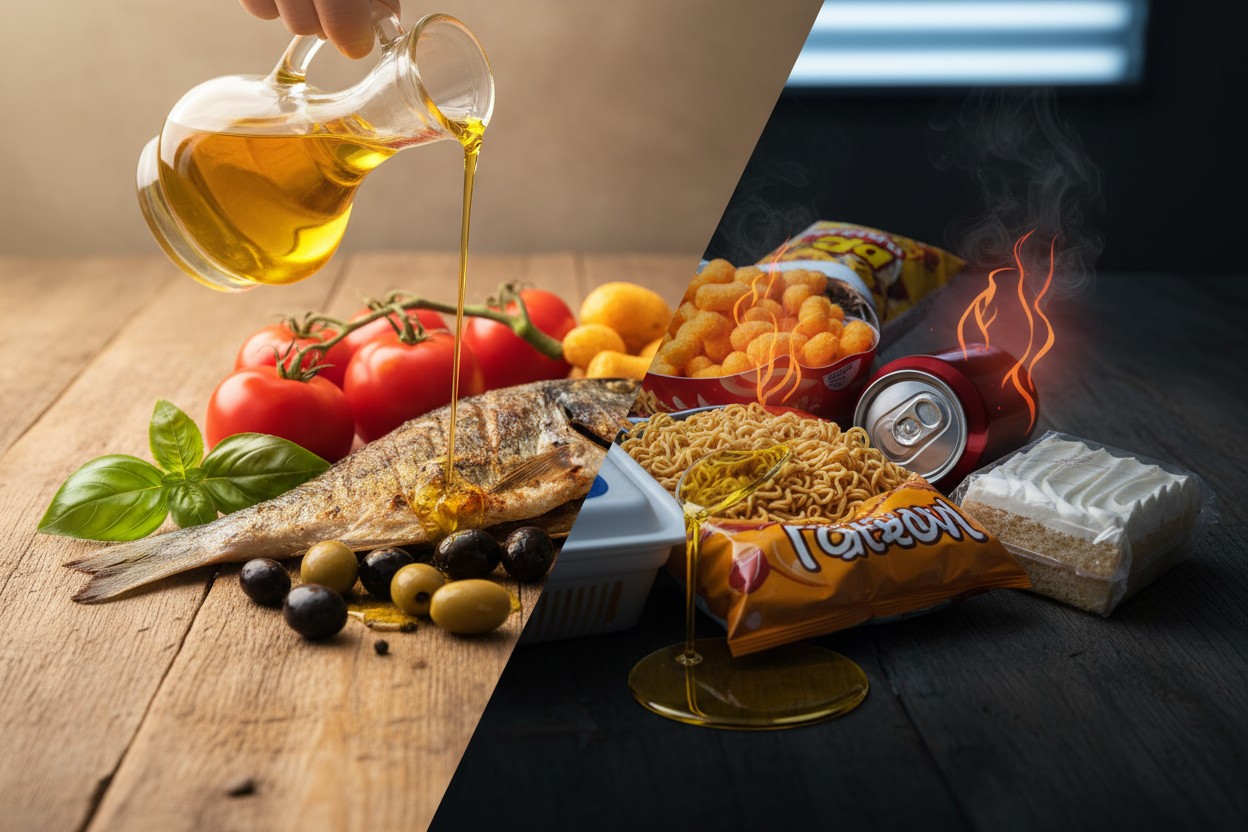
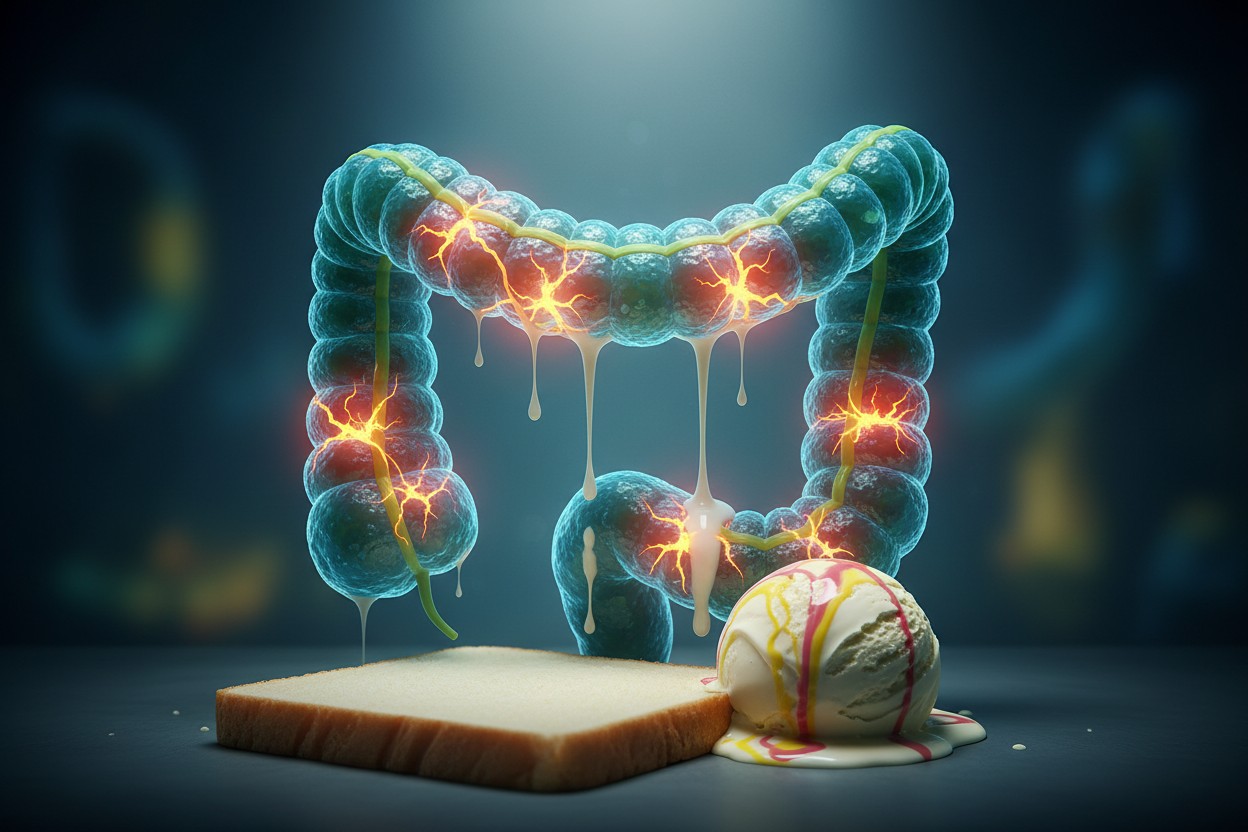
The study’s lead author noted that the findings could inform non-pharmacological approaches to managing constipation and other motility disorders. Digestive problems are widespread, with an estimated 60 to 70 million Americans suffering from gastrointestinal disease annually [2]. Natural approaches such as adequate dietary fiber intake remain a cornerstone of digestive health [7]. High-sugar meals can slow gastrointestinal motility, particularly in the duodenum and jejunum, leading to atonic conditions [8].
Limitations acknowledged by the authors include the observational design, which cannot establish causality, and the predominantly homogenous sample. Further research with randomized controlled trials is needed to confirm the dose-response relationship and underlying biological pathways, the report stated. Despite these limitations, the evidence supports the role of physical activity as a safe, natural intervention for improving gut motility and reducing constipation.
References
- NaturalNews.com. “Study: Physical exercise is a safe natural and effective way to remedy IBS symptoms.” December 17, 2018.
- Mercola.com. “Slow This Habit Now or Face Life Threatening.” October 23, 2023.
- “Advances in nutrition and top sport.”
- “Body fluid balance exercise and sport.”
- Dr Michael T Murray. “Textbook of Natural Medicine Fifth Edition.”
- Mariella De Biasi. “Nicotinic Mechanisms in the Autonomic Control of Organ Systems.” J Neurobiol 53: 568–579, 2002.
- NaturalNews.com. “Adequate daily fiber intake: Non-negotiable cornerstone of digestive health.” April 13, 2026.
- Michael T Murray ND, Joseph E Pizzorno ND. “Encyclopedia of Natural Medicine.”
Explainer Infographic
Submit a correction >>
Tagged Under:
alternative medicine, bowel health, bowel regularity, constipation, exercise, gut function, gut health, gut motility, health science, Men's Fitness, natural cures, natural health, natural medicine, Naturopathy, remedies, research, Women's Fitness
This article may contain statements that reflect the opinion of the author
RECENT NEWS & ARTICLES