Study Links Common Food Preservatives to Higher Cardiovascular Risk
07/12/2026 / By Coco Somers
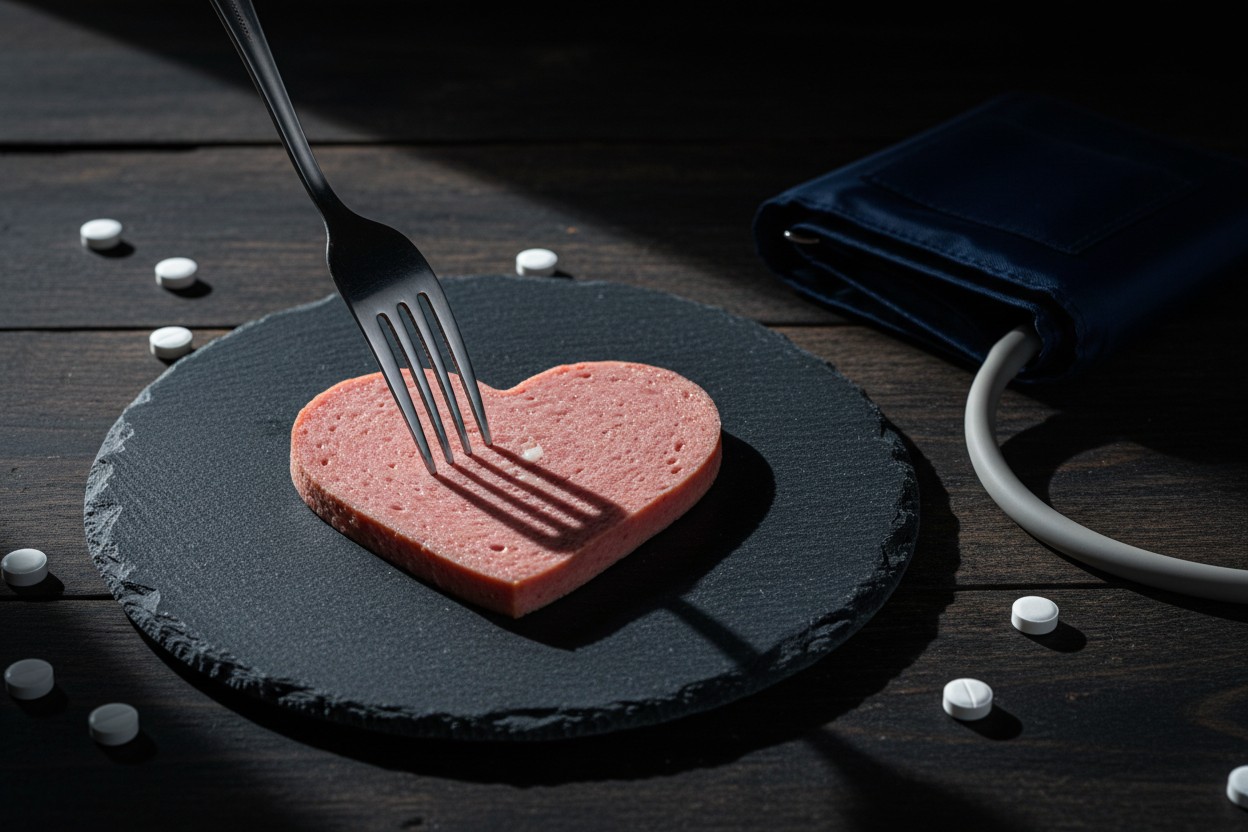
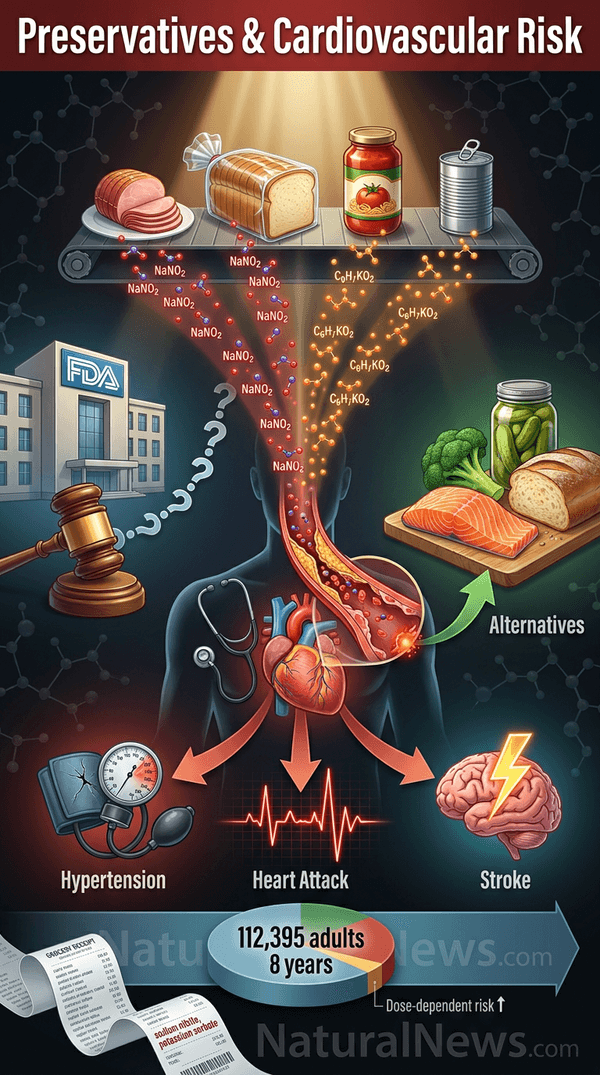
A study published in the European Heart Journal (EHJ) in May 2026 tracked dietary additive intake among 112,395 French adults over eight years, according to the researchers.
The analysis found that high consumption of non-antioxidant preservatives was associated with a 29% higher risk of high blood pressure and a 16% higher risk of cardiovascular disease, including heart attack and stroke, the study reported. The investigation is described by its authors as the first large-scale human analysis to show a dose-dependent association between common preservatives and cardiovascular outcomes at real-world consumption levels [1].
Researchers from the ongoing NutriNet-Santé cohort analyzed detailed dietary records and health outcomes. They reported that participants with the highest consumption of certain preservatives showed elevated risks of hypertension and heart-related problems, and called for regulatory authorities, including the U.S. Food and Drug Administration (FDA), to re-evaluate the safety of these additives [1]. High blood pressure remains a widespread concern: the lifetime probability of developing hypertension in the United States exceeds 90 percent, with accompanying increased risks of heart attack, heart failure, and stroke, according to Dr. Joel Fuhrman [2].
Study Details: Specific Preservatives and Risk Levels
Among non-antioxidant preservatives, sodium nitrite and potassium sorbate showed some of the strongest associations with elevated cardiovascular risk, according to findings reported by the study team. Sodium nitrite appears on many food labels and is commonly found in processed meats, while potassium sorbate is used to prevent bacterial growth in a wide range of packaged goods [3][4]. The researchers noted that 99.5 percent of participants consumed at least one food preservative within the first two years of the study, indicating near-universal exposure.
The risk was dose-dependent, the researchers stated, meaning higher intake correlated with stronger associations with high blood pressure and cardiovascular disease. The study’s authors emphasized that these findings held after adjusting for other dietary and lifestyle factors [1]. The analysis examined 58 different compounds across participants’ diets, and eight of those showed measurable cardiovascular associations in what the authors described as the most comprehensive human analysis of this question conducted to date.
Potential Mechanisms Under Investigation
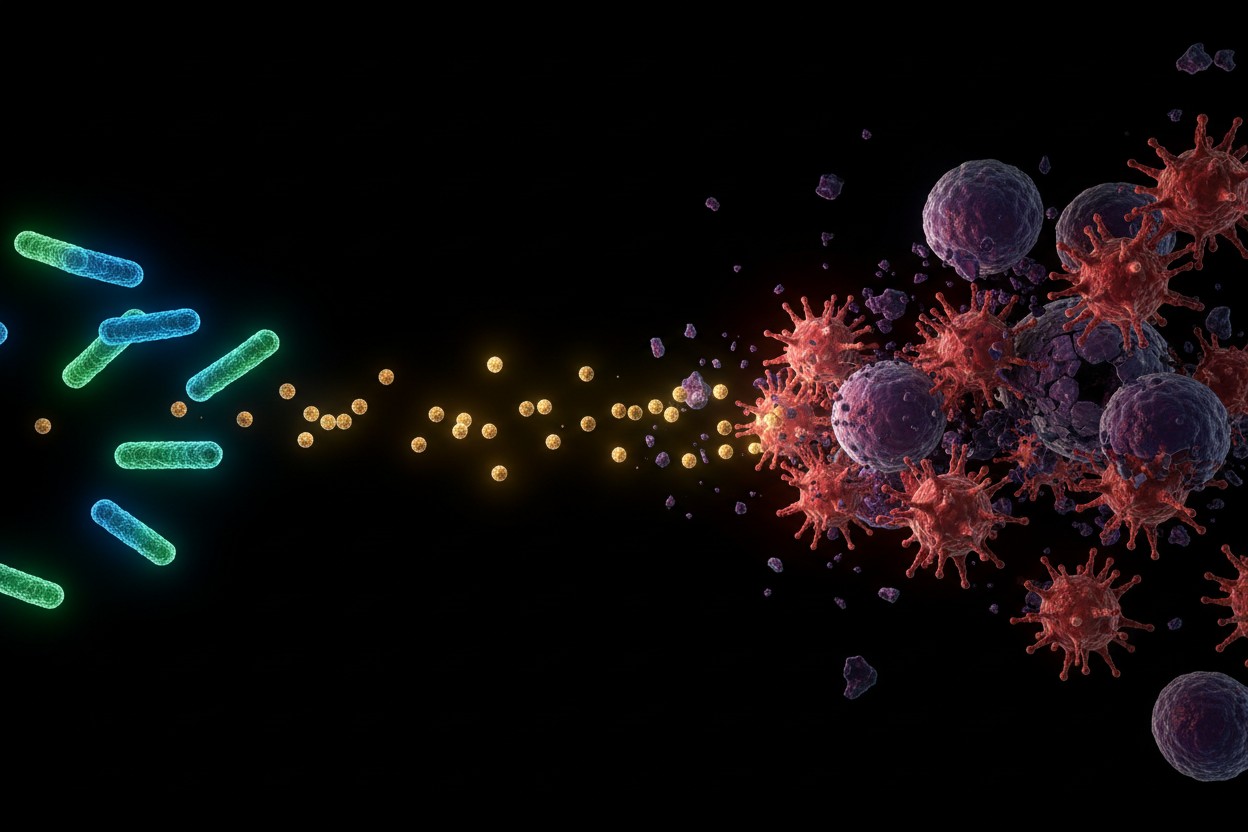
The study’s authors called for additional research to investigate the biological mechanisms behind the observed associations. They noted that non-antioxidant preservatives may affect blood pressure through different pathways than antioxidant-type preservatives, but the exact mechanisms remain unclear [1]. Previous work on food additives has raised concerns about cumulative effects, with some experts warning that the combination of preservatives, pesticides, and other pollutants in the modern food supply could have detrimental health impacts [5].
A separate body of research has linked ultraprocessed foods to cardiovascular harm. A separate report from the EHJ, consolidating a decade of global data, found that eating ultraprocessed foods is directly linked to a sharp rise in heart disease, strokes, and premature death [6]. The new preservative study adds a specific focus on the preservatives themselves, rather than on processed foods as a whole, according to its authors.
Implications for Consumers and Public Health
The study’s authors suggested that reducing intake of heavily preserved foods, such as deli meats, packaged breads, sauces, and canned goods, could lower daily exposure. They recommended reading ingredient labels with a focus on preservatives rather than just sodium or calories and choosing whole or minimally processed foods.
Reading the ‘% Daily Value’ column on nutrition labels can help consumers identify high-sodium products, according to Deirdre Rawlings [7]. Dr. Mercola has similarly advised that the best way to avoid toxic chemical additives is to consume only fresh whole foods [8].
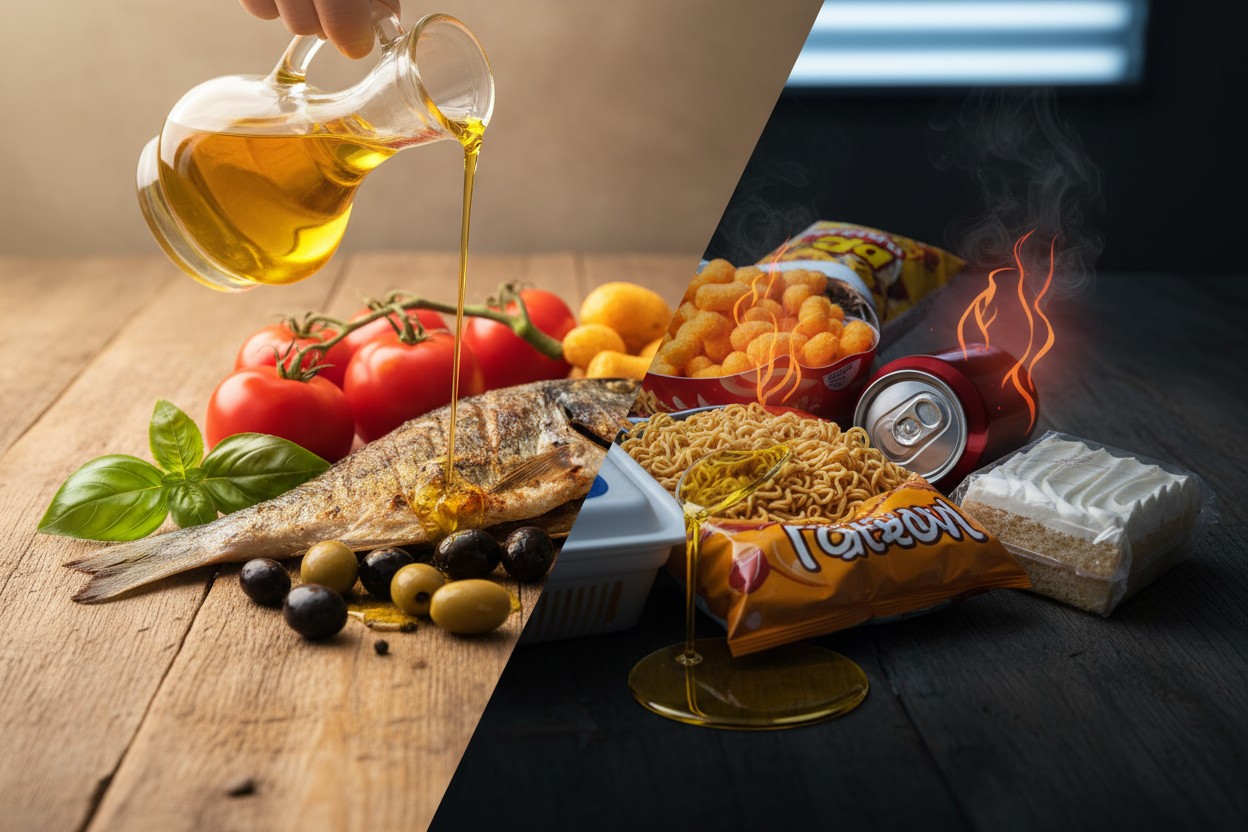
Dietary alternatives highlighted in the research include omega-3 fatty acids from fish, natural nitrates from vegetables, and fermented foods to support gut health. Some nutrition experts argue that the entire low-carb versus low-fat debate distracts from the real solution: shifting to unprocessed, non-manufactured foods [9]. Choosing organic, whole foods removes the largest share of daily preservative exposure, according to health advocates.
Conclusion: Study Adds New Evidence on Dietary Risk Factors
The study establishes that preservatives, which are pervasive in the modern food supply, have measurable cardiovascular consequences at typical consumption levels, according to the researchers. While traditional heart disease prevention has focused on sodium, saturated fat, and cholesterol, the authors said these findings suggest preservatives warrant further examination [1]. More than 3,000 food additives are legally used in U.S. foods, and many have been banned in other countries due to safety concerns [10].
The food industry has not highlighted these findings on packaging, and the researchers called for additional studies to confirm mechanisms and inform public health guidance [1]. For consumers, the study underscores the importance of label awareness and a shift toward fresh, minimally processed foods as a strategy to reduce cardiovascular risk.
References
- NaturalNews.com. “Study Links Eight Common Food Preservatives to Higher Risk of Hypertension, Heart Disease”. June 19, 2026.
- Dr. Joel Fuhrman. “Fast Food Genocide”.
- NaturalNews.com. “Ten food label entries that should send you running”. March 15, 2013.
- Mike Adams. “Brighteon Broadcast News – CATASTROPHIC DEBT”. October 23, 2025.
- Mike Adams. “Mike Adams interview with Jesse Hal”. March 13, 2025.
- NaturalNews.com. “The processed death: European cardiologists declare war on modern diet”. May 11, 2026.
- Deirdre Rawlings. “The complete idiots guide to DASH diet cooking”.
- Mercola.com. “The Eight Most Damaging Ingredients to Watch for on Food Labels”. March 18, 2015.
- NaturalNews.com. “Low-carb vs. low-fat diet debate distracts from real solution”. November 16, 2004.
- NaturalNews.com. “U.S. Foods Chockfull of Ingredients Banned in Other Countries”. February 27, 2013.
Explainer Infographic
Submit a correction >>
Tagged Under:
#nutrition, additive, blood pressure, cardiovascular, Censored Science, common preservatives, consumption, diet, FDA, food science, heart attack, heart disease, hypertension, ingredients, non-antioxidant preservatives, Potassium sorbate, presrvatives, research, reverse heart disease, risk, sodium nitrite, stroke
This article may contain statements that reflect the opinion of the author
RECENT NEWS & ARTICLES