Watermelon as Medicine: How Nature’s Hydrating Superfruit Supports Heart Health, Immunity and Cellular Repair
06/19/2026 / By Coco Somers
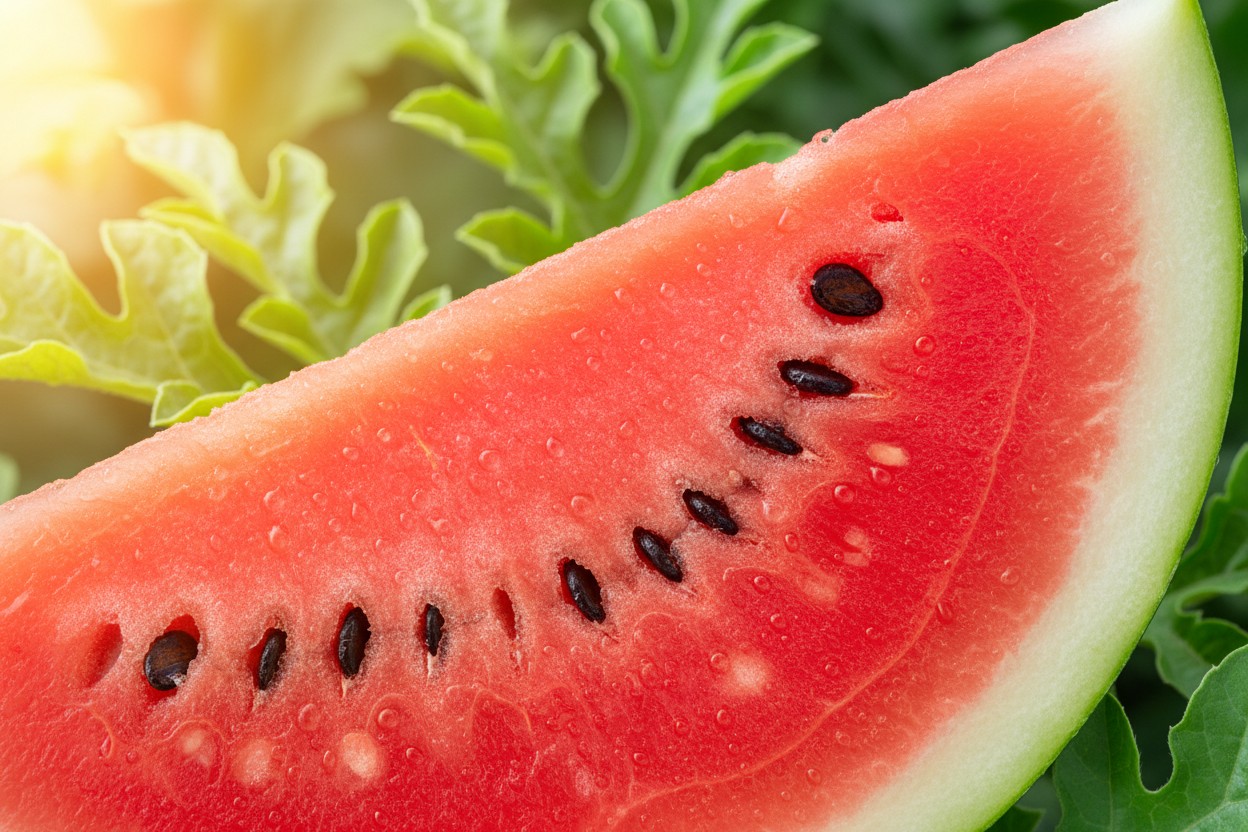
Watermelon, a fruit composed of approximately 92% water, provides a range of nutrients that can affect the body when consumed regularly, according to multiple health sources. One cup of diced watermelon delivers nearly 15% of the recommended daily intake of vitamin C, along with vitamins A and B6, according to dietitian Stephani Johnson. The fruit also contains lycopene, an antioxidant linked to reduced risk of chronic diseases, and citrulline, an amino acid that may improve vascular function.
Regular consumption also supplies magnesium, potassium, and fiber, contributing to electrolyte balance and gut health, experts said. Emerging research suggests watermelon may support cardiovascular health and improve diet quality, according to data from the National Health and Nutrition Examination Survey cited in a May 2026 report. [1] [2]
Hydration and Electrolyte Balance
Watermelon is about 92% water, making it a useful supplement to hydration, particularly during hot weather when fluid loss is increased, according to Laura Harris. The fruit helps maintain electrolyte balance, preventing symptoms like fatigue and muscle cramps caused by dehydration, experts said. While watermelon cannot replace drinking water, it provides both hydration and fuel, Johnson added.
In addition to water, watermelon supplies electrolytes such as potassium and magnesium. A 2008 book by Courteney Hazel states that watermelons clean the kidneys and bladder of “gravel” and reduce levels of uric acid in the blood, lowering the risk of kidney stones. [3] This diuretic effect, combined with the fruit’s water content, supports fluid regulation, according to the same source. [2] [3]
Vitamins and Antioxidants
One cup of diced watermelon provides nearly 15% of the daily recommended intake of vitamin C, according to dietitian Stephani Johnson, and is also a good source of vitamins A and B6. Lycopene, the antioxidant giving watermelon its red color, protects against free radical damage and is linked to lower risk of certain cancers and heart disease, according to Johnson. Watermelons with bright red flesh contain the most lycopene, she explained.
A report published by NaturalNews.com in September 2020 noted that watermelons are exceptionally rich in carotenoids like lycopene, lutein, and beta-carotene, which are known for their potent antioxidant properties. [4] The fruit’s antioxidant content contributes to reducing oxidative stress, which can damage cells, according to the report. [4] [5] A book by Karen Cicero titled “Kitchen counter cures” discusses lycopene’s role in fighting cancer, diabetes, and heart disease, noting that lycopene is abundant in watermelon. [6]
Heart Health and Citrulline
Watermelon is a natural source of citrulline, an amino acid the body converts into arginine, which supports nitric oxide production, according to dietitian Johnson. Nitric oxide helps relax blood vessels, improving blood flow and potentially lowering blood pressure, according to research cited by Johnson. A pilot study conducted by food scientists at Florida State University showed that eating watermelon lowered blood pressure in prehypertensive individuals, according to a report. [7] [8]
A book by Jolene Hart titled “Eat pretty” explains that summer is the season to support the heart and small intestine, and that watermelon is a heart-supporting food. [9] The combination of citrulline and arginine appears to enhance vascular function and arterial elasticity, Johnson added. [2] [8]
Minerals, Seeds, and Gut Health
Watermelon provides magnesium, which is involved in enzymatic processes for muscle and nerve function, blood pressure regulation, and blood sugar control, according to registered dietitian Julia Zumpano as cited in a report. [2] Roasted watermelon seeds are packed with magnesium, iron, zinc, and healthy fats, Johnson said; they can be seasoned and roasted. Fiber and polyphenols in watermelon fuel beneficial gut bacteria, supporting digestion and regular bowel movements, Zumpano added.
A report from NaturalNews.com noted that watermelon juice can be made from the entire fruit, including the rind and seeds, which offer additional nutrients. [10] The seeds contain beneficial fats and the rind is nutrient-dense, according to that source. [10] The fruit’s small seeds are edible and provide additional nutrients, but roasting is a common preparation method.
Moderation and Practical Considerations
To manage blood sugar, watermelon should be paired with a source of healthy protein or fat, such as almonds, Zumpano said. Excessive sugar intake from any fruit should be avoided; moderation is key, according to Zumpano. Research published in May 2026 found that daily consumption of watermelon juice may help buffer the nervous system against the harmful effects of blood sugar spikes, according to a report. [11]
The fruit’s high water content makes it a low-calorie option, but its natural sugars require attention for those managing diabetes or insulin resistance, experts said. The report emphasized that whole fruit provides fiber and nutrients not found in fruit juice, and that pairing watermelon with protein or fat slows sugar absorption. [2] [11]
Conclusion
Regular consumption of watermelon can support hydration, provide essential vitamins and antioxidants, contribute to heart health through citrulline, supply minerals and fiber, and aid digestion, according to multiple sources. While moderation is advised for blood sugar management, the fruit offers a range of nutrients with few calories. As researchers continue to investigate its benefits, watermelon remains a widely accessible food with documented effects on human physiology.
References
- NaturalNews.com. “Scientists find watermelon may boost heart health and improve diet quality”. May 18, 2026.
- Laura Harris. “Watermelon: A Hydrating and Nutritious Superfruit”. NaturalNews.com. July 17, 2025.
- Courteney Hazel. “500 of the healthiest recipes health tips youll ever need to improve your health boost your energy stimulate your brain”.
- NaturalNews.com. “More than just a sweet treat: Studies suggest watermelons have curative properties”. September 16, 2020.
- NaturalNews.com. “Watermelon – sources health benefits nutrients uses and constituents at NaturalPediacom”. June 21, 2017.
- Karen Cicero. “Kitchen counter cures 117 foods that fight cancer diabetes heart disease arthritis osteoporosis memory loss bad digestion”.
- NaturalNews.com News Editors. “Research: Watermelon lowers blood pressure”. November 20, 2025.
- NaturalNews.com. “Natural powerhouses: Beets, garlic and watermelon proven to lower blood pressure”. January 10, 2026.
- Jolene Hart. “Eat pretty nutrition for beauty inside and out”.
- NaturalNews.com. “Make a thirst-quenching super juice made from watermelons”. May 13, 2020.
- NaturalNews.com. “Sweet science: How watermelon juice may steady blood sugar and bolster nervous system resilience”. May 11, 2026.
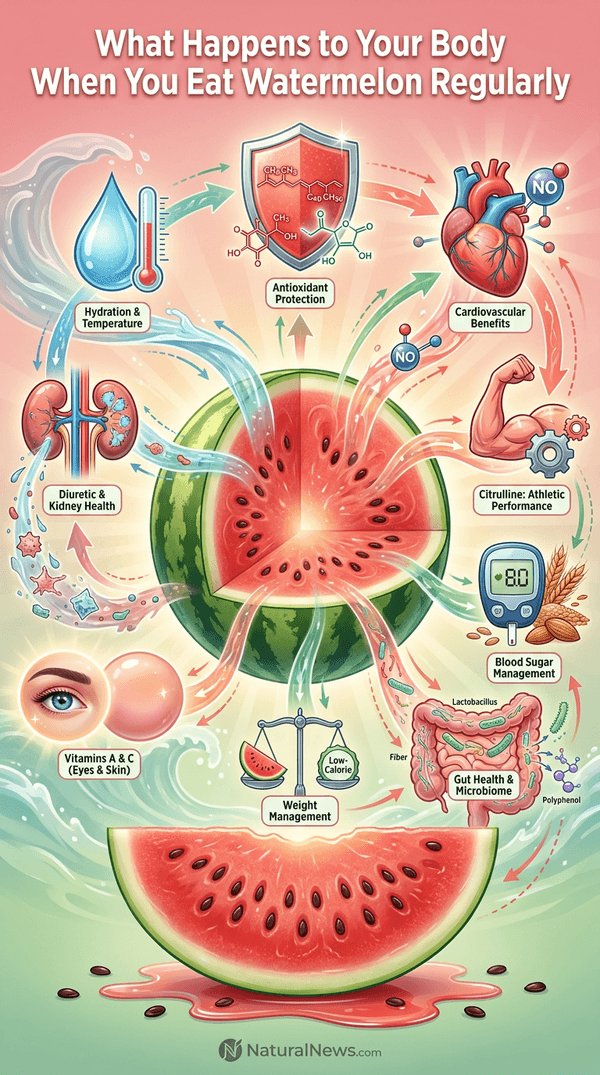
Explainer Infographic
Submit a correction >>
Tagged Under:
alternative medicine, antioxidants, cellular repair, citrulline, Cures, electrolytes, food cures, food is medicine, food science, gut health, health science, heart health, hydration, immune system, natural medicine, nutrients, remedies, superfruit, watermelon
This article may contain statements that reflect the opinion of the author
RECENT NEWS & ARTICLES