Study Finds “Gluten-Free” Barley Beers May Contain Celiac-Linked Protein Fragments Missed by Standard Tests
06/21/2026 / By Coco Somers
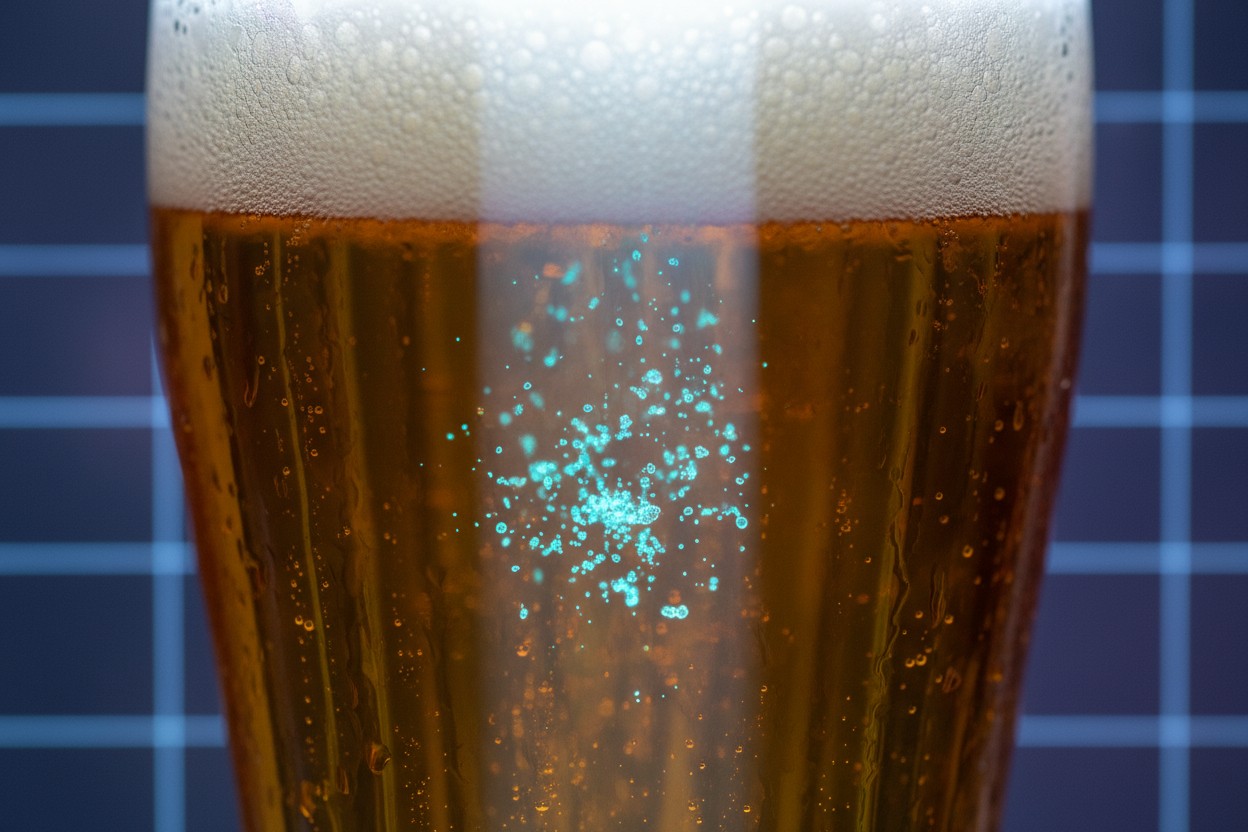
A study published in Applied Food Research has found that seven of 21 gluten-free-labeled barley beers contained celiac-linked protein fragments that cleared standard industry safety testing.
Researchers identified 44 distinct celiac-linked protein fragments across all samples; 17 of those fragments carried no chemical markers recognized by either of the two standard ELISA tests brewers rely on to certify gluten-free status. Four gluten-free-labeled beers exceeded the European Union’s legal threshold of 20 milligrams of gluten per kilogram when measured by the R5 ELISA test, according to the study.
“The gap in detection is not a minor technical footnote,” the researchers stated in the paper. The analysis, conducted by scientists at the Technical University of Munich and the Karlsruhe Institute of Technology, used nanoLC-MS/MS, a mass spectrometry method that identifies individual protein fragments by structure rather than by chemical markers. According to the researchers, follow-up studies are needed to determine actual concentrations and the real-world risk to celiac patients.
Background: Celiac Disease and Gluten-Free Beer
Celiac disease is an immune disorder affecting approximately 1 in 100 people worldwide, according to a NaturalNews.com article [1]. When individuals with the condition consume gluten — a protein found in wheat, barley and rye — the body mounts an immune response that damages the small intestine. Even trace amounts can cause harm over time, leading to malnutrition and other complications [4].
Brewers have developed enzymatic processes to break down gluten in barley-based beers, enabling them to market the products as gluten-free. However, experts have raised concerns about whether those processes are fully effective. Dr. Steve L. Taylor, cofounder and director of the Food Allergy Research and Resource Program, told [3]: “The results from the R5 test alone do not convince me that they are safe. I have seen results that show the gluten peptides do exist in these beers.” The recent study sought to assess whether standard testing methods capture all potentially harmful fragments.
Testing Methods: ELISA vs. NanoLC-MS/MS
Brewers typically rely on enzyme-linked immunosorbent assay (ELISA) tests, specifically the R5 and G12 variants, to verify gluten content. These tests detect specific chemical markers on gluten proteins. The European Union regulation [6] states that the claim “gluten-free” is permitted if the gluten level does not exceed 20 mg per kilogram as analyzed according to Codex and using the R5 ELISA test.
Fermentation, however, breaks gluten proteins into smaller fragments that may lack the markers the ELISA tests are designed to detect. According to [3], the R5 test alone may not capture all gluten peptides. To address this limitation, the researchers turned to nanoLC-MS/MS, a mass spectrometry technique that identifies individual protein fragments by their mass and structure. This method can detect celiac-linked sequences even in the absence of chemical markers recognized by ELISA tests.
Key Findings: Fragments Detectable in Gluten-Free Beers
The study analyzed 21 commercially available gluten-free barley beers and four non-gluten-free control beers. Using nanoLC-MS/MS, researchers identified 44 distinct celiac-linked protein fragments across all samples. Twenty-nine of those fragments were found in beers carrying gluten-free labels, products that had previously passed standard safety testing. Importantly, 17 of the 44 fragments contained none of the chemical markers that either ELISA test is designed to detect, rendering them invisible to standard screening.
One pilsner-style beer contained 21 celiac-linked fragments — the highest count among gluten-free-labeled beers. A specific fragment appeared in every positive sample, suggesting it is resistant to the enzymatic breakdown processes brewers use. Fourteen of the 21 gluten-free-labeled beers contained no detectable fragments, but the presence of fragments in seven products indicates that current testing may fail to identify all risky beers.
Study Limitations and Next Steps
The researchers noted several limitations. The analysis was qualitative: it identified which fragments were present but did not measure their precise concentrations. Without quantitative data, the actual clinical risk to celiac patients could not be determined. Additionally, brewing methods used by each manufacturer are proprietary, preventing evaluation of which processes are most effective at removing harmful fragments.
Only single bottles per batch were tested, so batch-to-batch variability could not be assessed. The protein databases used to identify fragments may not fully cover all known gluten sequences, particularly highly repetitive ones.
Further breakdown of fragments during human digestion and their ability to trigger an immune response after consumption were not studied and remain open questions, according to the authors. The researchers called for follow-up studies measuring concentrations and clinical effects.
Conclusion: Implications for Celiac Consumers
According to the researchers, the findings indicate that standard safety tests have detection gaps and that gluten-free barley beer labels may offer less certainty than consumers assume. A NaturalNews.com piece [1] notes that individuals with celiac disease should follow a strict gluten-free diet to avoid health complications. For those who wish to consume beer, options brewed from inherently gluten-free grains such as sorghum exist, as noted in “Undoctored” by William Davis [5].
“The gap in detection is not a minor technical footnote,” the researchers said in the paper, but they emphasized that the actual health risk remains an open question. They advised people with celiac disease or gluten sensitivity to consult a qualified healthcare professional before consuming products labeled gluten-free.
References
- NaturalNews.com. “Celiac disease and gluten sensitivity: Is there such a thing as gluten-free beer”. December 03, 2020.
- NaturalNews.com. “9 Compelling reasons to steer clear of gluten”. November 06, 2024.
- Beth Hillson. “The Complete Guide to Living Well Gluten-Free”.
- Phyllis A Balch. “Prescription for Nutritional Healing”.
- William Davis. “Undoctored”.
- Arbortext Advanced Print Publisher 9.0.114/W Unicode. “International Regulatory Environment for Food Allergen Labeling”.
Submit a correction >>
Tagged Under:
barley beers, beer, celiac disease, Censored Science, clean food watch, ELISA test, enzyme-linked immunosorbent assay, gluten, gluten free, gluten testing, gluten-free beer, health science, poison, protein fragments, protein testing, research, stop eating poison, toxic ingredients, toxins
This article may contain statements that reflect the opinion of the author
RECENT NEWS & ARTICLES